

 1901 Sinks
 Abey
Abey
 ADP
ADP
 ART Australia
 Blanco
 Caroma
 Decina
 Fienza
 Forme
Forme
 Geberit
 Linkware
 Linsol
 Lockwood
 Martec
 Meir
Meir
 Mercator
 Nero Tapware
 Oliveri
 Parisi
 Phoenix
 Radiant Heating
 Remer
Remer
 Timberline
 Turner Hastings
 Zip Water
 Accessories
 Basins
 Baths
Baths
 Mirrors
 Showers
 Taps
Taps
 Toilets
 Wastes
 Assisted Living
 Heating & Ventilation
 Boiling / Chilled / Sparkling Taps
 Sinks
Sinks
 Sink Accessories
 Laundry Tubs
 Laundry Taps
 Ceiling Fans
 Lighting
 Cooktops
 Induction Cooktops
 Gas Cooktops
 Electric Cooktops
 Dryers
 Fridges
 Microwaves
 Ovens
Ovens
 Rangehoods
 Washing Machines
 Black
Black
 Brushed Brass
 Brushed Gold
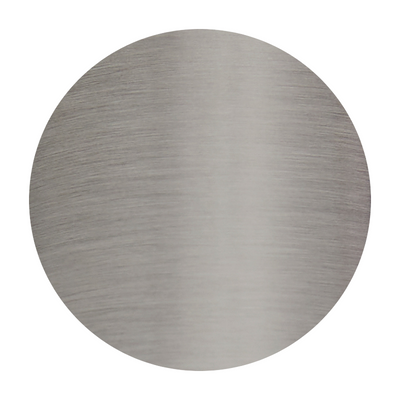 Brushed Nickel
 Champagne
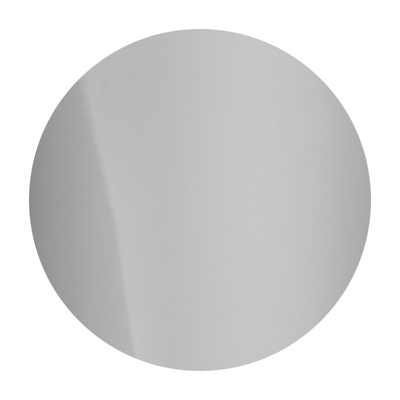 Chrome
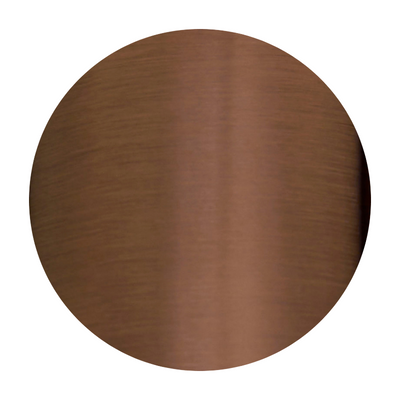 Copper
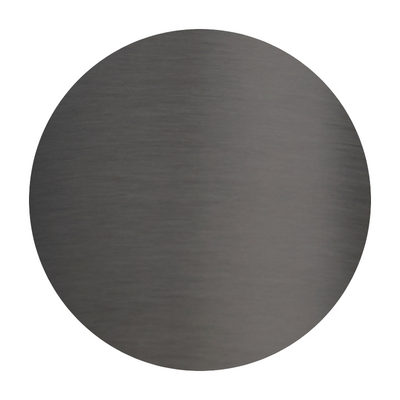 Gun Metal Grey
 Stainless Steel

Heated Towel Rail Buying Guide: What Australians Actually Need to Know Before Buying
Heated towel rails have quietly become a default in Australian bathroom renovations, sitting alongside the wall-hung vanity and the frameless shower screen. They're not essential. But they're one of those small upgrades people rarely regret.
The trouble is most buying guides talk about brands and finishes and skip the three things buyers actually worry about. Will it cost a fortune to run? How complicated is the install? And what size do we actually need?
We're answering those three with real numbers and the Australian compliance context that matters. No marketing fluff. We'll cover electric versus hydronic versus dual fuel, sizing by bathroom, what IP44 and AS/NZS 3000 wet area zones mean for your install, and the pre-purchase checks worth doing. If you only read two sections, make it the running cost and the compliance one.
Jump to section
- Are heated towel rails worth it?
- Electric vs hydronic vs dual fuel
- What size do you need?
- Running cost: the real numbers
- IP44 and AS/NZS 3000 compliance
- Can you install it yourself?
- Materials and finishes
- Styles and layouts
- Timers and smart controls
- Pre-purchase checklist
- FAQs
Are Heated Towel Rails Worth It?
In most Australian bathrooms, yes. The obvious win is a warm, dry towel after a shower, which matters more in winter and more again if you're in a coastal or humid climate where towels never quite dry on a hook.
The underrated benefit is moisture control. A heated rail stops the damp towel sitting against a wall all day. That's one of the quiet causes of mildew and the slightly musty bathroom smell you've probably noticed in older homes.
There are situations where they don't make sense. A guest bathroom used twice a year is hard to justify. A tiny powder room with no shower doesn't need one either. If you're renovating the main family bathroom or an ensuite you use every day, the cost-to-comfort ratio is genuinely good. And the running cost is lower than most people assume, which we'll get to.
Electric vs Hydronic vs Dual Fuel: Which Type Suits Your Bathroom?
This is the first real decision. Get it right and the rest of the guide narrows down quickly.
Electric is what most Australians end up buying. It runs off your normal electrical supply, comes in plug-in or hardwired versions, and suits renovations and replacements where you're not running new plumbing. Inside an electric rail you'll find either a dry element (a heating rod inside a hollow rail) or a liquid-filled design (the rail contains a thermal fluid the element warms). Liquid-filled holds heat longer after switch-off. Dry element heats up faster.
Hydronic rails are plumbed into a hot water heating circuit, usually as part of a whole-home hydronic system. They make sense if you already have hydronic heating planned or installed. Retrofitting hydronic just to power one towel rail is rarely worth it.
Dual fuel rails run on the hydronic circuit when the home heating is on in winter, then switch to electric in summer when the boiler is off. The most flexible option, but also the most expensive to buy and install.
| Type | Best for | Install | Running cost | Heat-up |
|---|---|---|---|---|
| Electric (plug-in) | Renovations, replacements, renters | Position near GPO, follow zone rules | Low, timer dependent | 15-30 min |
| Electric (hardwired) | New builds, clean finish | Licensed electrician required | Low, timer dependent | 15-30 min |
| Hydronic | Homes with hydronic heating | Licensed plumber, new builds ideal | Tied to heating system | Slower, follows system |
| Dual fuel | Year-round use with hydronic home | Plumber and electrician | Mixed | Variable |
For most readers, an electric rail is the right answer. The rest of this guide assumes electric unless we say otherwise.

What Size Heated Towel Rail Do You Need?
Sizing comes down to two things. How many towels need to live on it, and how much wall you have to give it.
Simple rule: count the towels in regular use, then plan for one bar per towel with each bar around 500 to 600mm wide. A couple typically needs four to five bars. A family of four needs around six. If you also dry hand towels and bath mats on it, add another bar or two.
Wattage scales with rail size, and wattage drives both warmth and running cost. For small bathroom layouts where a compact vertical rail saves wall space, a 60W rail is usually plenty. Larger family bathrooms need 150W or more to warm a tall ladder rail effectively.
| Bathroom size | Typical towels | Suggested config | Typical wattage |
|---|---|---|---|
| Small ensuite or powder room | 2-3 | Compact vertical or 4-bar ladder | 50-80W |
| Standard main bathroom | 4-5 | Standard ladder rail | 80-120W |
| Large or family bathroom | 6+ | Tall ladder or twin units | 150W+ |
The most common sizing mistake is going too small to save wall space, then discovering the family's towels end up draped on the shower screen anyway. Measure your towels folded over a rail before you commit.
How Much Does a Heated Towel Rail Cost to Run?
This is the question we get most, and the one buying guides usually dodge. Here's the actual maths.
The formula is straightforward: wattage ÷ 1000 × hours per day × days × your electricity rate per kWh.
Worked example for a typical 100W rail, run four hours a day, all year, at an indicative rate of $0.30 per kWh:
0.1 kW × 4 hrs × 365 days × $0.30 = about $43.80 per year.
Run it longer (say six hours daily) or sit on a higher tariff (closer to $0.45 per kWh in some states and time-of-use bands), and the same rail might cost $65 to $100 a year. Smaller 60W rails come in well under $30 a year on the same maths. Electricity tariffs vary significantly by state, retailer and time-of-use plan, so substitute your own rate from a recent bill for an accurate figure.
The takeaway: a typical electric towel rail run sensibly costs around the price of a coffee a month. Run 24/7 with no timer, you can roughly triple that. Fit a timer, you halve it. Hydronic running cost depends entirely on your heat source (gas boiler, heat pump or electric), so there's no single figure that's honest to quote.
If you're ready to look at options, browse our heated towel rail range by wattage and size.
IP44, AS/NZS 3000 and What Compliance Actually Means
This is the section that saves you from an expensive mistake. Australian bathrooms are wet areas, and electrical fittings in them are governed by AS/NZS 3000, the national wiring rules. The standard divides bathrooms into zones based on proximity to water sources (the bath, basin and shower) and sets minimum protection ratings for what can go where.
IP44 is the minimum ingress protection rating for an electrical product in a bathroom wet area. The first digit (4) means protection against solid objects over 1mm. The second digit (4) means protection against splashing water from any direction. Anything below IP44 should not be installed in a bathroom in Australia. Most reputable heated towel rails sold here are IP44 or higher.
Look for the RCM mark (Regulatory Compliance Mark) on the product or its documentation. This indicates the supplier has declared compliance with Australian electrical safety and EMC requirements. Grey-import rails bought from overseas sites often lack this, and using them in an Australian bathroom is both unsafe and uninsurable.
Plug-in rails aren't exempt from zone rules. The GPO they plug into has to sit outside the restricted zones, and the rail itself needs to be positioned so the controls and connection point comply. A hardwired rail must be installed by a licensed electrician. That's not optional in Australia and not a corner worth cutting.
Can You Install a Heated Towel Rail Yourself?
Honest answer: partly, depending on the type.
A plug-in electric rail can be physically mounted to the wall by a confident DIYer, as long as you respect the wet area zones for the GPO and the rail position. You're not doing any electrical work. Just hanging it and plugging it in.
A hardwired electric rail must be connected by a licensed electrician. That's a legal requirement under Australian electrical safety law. The electrician will confirm zone compliance, run the cable correctly and certify the work.
A hydronic or dual fuel rail needs a licensed plumber for the water connections, and an electrician for any electric element or smart controls. These are renovation-stage installs, not weekend jobs.
The detail most online guides miss is wall reinforcement. Heated towel rails aren't heavy, but a loaded ladder rail with wet towels has real leverage on its brackets. On stud walls, fixing into a single sheet of plasterboard with plugs is asking for trouble within a year or two. Add timber noggings between the studs at bracket height during the rough-in stage, or use proper cavity fixings rated for the load. Same principle as bracing for a wall-hung toilet frame, and it matters as much here. If you're sequencing trades during a bathroom renovation, get the noggings in before the waterproofing goes down.
Materials and Finishes That Last
The benchmark for a quality heated towel rail is 304 grade stainless steel. It resists corrosion in the humid, sometimes salty conditions of an Australian bathroom and holds its finish for years. Cheaper rails built on mild steel with a plated finish look fine on day one and start spotting with rust within a few years, especially in coastal areas. Worth paying the difference up front.
Finishes mirror what's happening across bathroom tapware. Chrome remains the safe classic, matte black is dominant in current renos, and brushed nickel, brushed brass and gunmetal are all common. The decision worth thinking about is finish consistency across your bathroom. A matte black towel rail next to a slightly different matte black tap is one of those mismatches that becomes obvious in daylight. Buy within one brand family where you can, or order finish samples before committing to a combination across brands. Our advice when matching your towel rail finish to bathroom tapware is to lock the tapware finish first, then choose accessories to suit.
Which Style Fits Your Layout?
Form factor follows your layout more than your taste.
Ladder rails are the most common style and offer the best towel capacity. They suit standard bathroom walls and come in widths from around 500mm to 700mm and heights from 700mm to 1500mm or more.
Horizontal bars are the simple option when you're replacing an existing single rail and don't want to alter wiring or fixings. Lower capacity, lower visual presence.
Vertical single-column rails are designed for narrow walls, ensuites and the awkward gap beside a vanity. They take little wall space and still warm one or two towels well.
Freestanding rails are useful in rental properties, period homes where you don't want to fix to a wall, or as a secondary rail. They cost more than wall-mounted equivalents for the same heating output.
Most renovators land on a ladder rail. Once you've sized it and chosen a finish, browse heated towel rail styles to narrow the options.

Timers and Smart Controls That Cut Running Costs
The single biggest lever on running cost is run-time. A rail left on 24/7 costs three to four times what the same rail costs with a sensible timer.
Wall timer switches are the simplest option, fitted alongside the rail's switch on the wall. Set two on-windows a day (typically two hours in the morning, two in the evening) and you've roughly halved the running cost from our earlier worked example. Many quality rails now include an in-built timer on the rail itself, with a programmable seven-day schedule.
Wi-Fi or smart controllers add app-based scheduling and the ability to switch the rail on remotely. Worth it if you're already running a smart-home setup, less essential if you're not.
Rule of thumb: a rail only needs to be on while you actually need a warm towel or active moisture control. For most households that's four hours a day, not 24.
Pre-Purchase Checklist
Before you commit, run through this:
- IP rating is IP44 or higher
- RCM mark is present on product or documentation
- Wattage matches your bathroom size (refer to the sizing table)
- Bar count and dimensions suit your towel needs and wall space
- Finish matches or deliberately contrasts with your tapware
- Element type (dry vs liquid-filled) suits your use pattern
- Warranty of five years minimum on the frame, ideally longer
- Element warranty stated separately and clearly
- Australian-stocked spares and support available from the supplier
- Plug-in or hardwired decision made, and electrician booked if hardwired
That last point matters more than people expect. A rail with a 10-year warranty is worth far less if the parts have to come from overseas when something fails.
Heated Towel Rail FAQs
Does a heated towel rail use a lot of electricity?
No, not for a typical 60-150W rail. Run four hours a day, expect somewhere between $30 and $65 a year on indicative tariffs. Running 24/7 without a timer is where costs climb. See the running cost section for the maths.
Can I leave my heated towel rail on all the time?
You can, but it's wasteful for most households. A timer set for two morning hours and two evening hours gives you warm towels when you need them at roughly half the running cost.
What's the difference between dry element and liquid-filled?
Dry element heats up faster and is simpler internally. Liquid-filled rails hold heat longer after switch-off and feel more even across the bars. Both are reliable when well made.
Do I need a licensed electrician for a plug-in model?
No, a plug-in rail can be wall-mounted by a competent DIYer as long as the GPO and rail position respect wet area zones. Hardwired rails must be installed by a licensed electrician.
Will a heated towel rail heat my bathroom?
Slightly, but it's not a room heater. A 100W rail produces a fraction of the output of a dedicated bathroom heater. Think warm towels and reduced moisture, not a heated room.
How long do heated towel rails last?
A quality 304 stainless steel rail with a good element should last 10 to 15 years or more. Cheaper mild steel rails in coastal areas can show corrosion within two to three years.
Ready to Choose Your Heated Towel Rail?
Once you've settled on type, size, wattage and finish, the shortlist gets short quickly. Our range is curated for Australian compliance, with IP44-rated electric rails across the common sizes and finishes, backed by Australian-stocked support. We deliver Australia-wide and the team is happy to help if you're stuck between two options.
Shop our curated heated towel rail range to see what fits, or browse bathroom accessories and bathroom lighting to round out the rest of the fit-out.