

 1901 Sinks
 Abey
Abey
 ADP
ADP
 ART Australia
 Blanco
 Caroma
 Decina
 Fienza
 Forme
Forme
 Geberit
 Linkware
 Linsol
 Lockwood
 Martec
 Meir
Meir
 Mercator
 Nero Tapware
 Oliveri
 Parisi
 Phoenix
 Radiant Heating
 Remer
Remer
 Timberline
 Turner Hastings
 Zip Water
 Accessories
 Basins
 Baths
Baths
 Mirrors
 Showers
 Taps
Taps
 Toilets
 Wastes
 Assisted Living
 Heating & Ventilation
 Boiling / Chilled / Sparkling Taps
 Sinks
Sinks
 Sink Accessories
 Laundry Tubs
 Laundry Taps
 Ceiling Fans
 Lighting
 Cooktops
 Induction Cooktops
 Gas Cooktops
 Electric Cooktops
 Dryers
 Fridges
 Microwaves
 Ovens
Ovens
 Rangehoods
 Washing Machines
 Black
Black
 Brushed Brass
 Brushed Gold
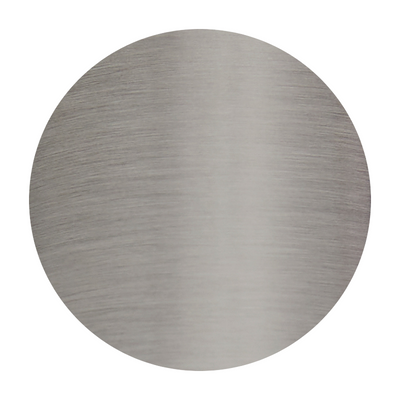 Brushed Nickel
 Champagne
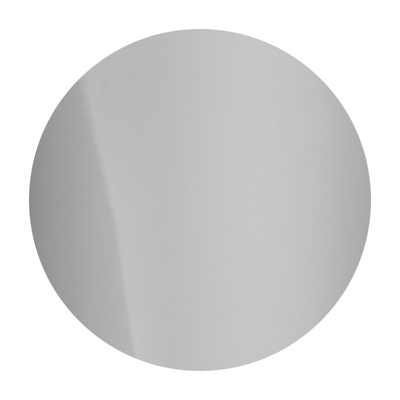 Chrome
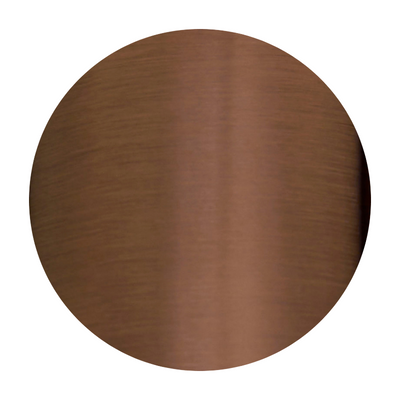 Copper
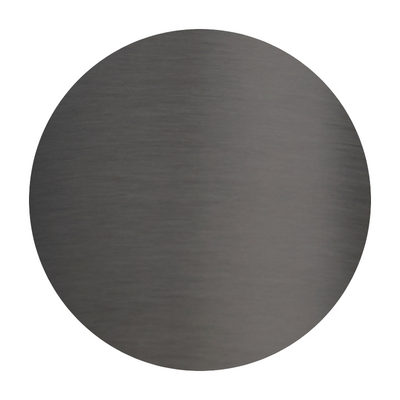 Gun Metal Grey
 Stainless Steel

Standard Shower Size in Australia: Complete 2026 Guide
You're planning a bathroom and trying to work out if that shower you've got your eye on will actually fit. Fair enough. Most people get this wrong. They either cram in a 900x900mm corner job that feels like showering in a phone booth, or they blow half their bathroom on a walk-in that looks great on Instagram but leaves no room for a decent vanity.
Standard shower size in Australia is 900x900mm. That's what builders default to. But it's tight. If you've got space, 1000x1000mm is noticeably better. Walk-ins start at 1200mm wide and go up from there. Your actual size depends on your bathroom dimensions, whether you're building or renovating, and if you'll be sharing the shower with someone else.
This guide covers shower dimensions, types, costs, and what actually works in real bathrooms.
In this Article:
- What is Standard Shower Size in Australia?
- Australian Building Code Requirements
- Shower Types, Dimensions and Costs
- Small Bathroom Shower Sizing
- Common Shower Sizing Mistakes
- Budget Considerations by Size
- Planning Your Shower Installation
- Frequently Asked Questions
- Conclusion
What is Standard Shower Size in Australia?
900x900mm. That's the baseline. Fits most bathrooms but is comfortable? A Sydney plumber we spoke to pulls out 900mm showers constantly during renos. "Everyone says the same thing. Feels like a box. They want bigger."
1000x1000mm is better if you've got space. That extra 100mm matters more than you'd think. More elbow room, less bumping into walls.
Walk-in showers need 1200mm width minimum. Any narrower and water splashes everywhere. 1400-1500mm is where they start feeling genuinely spacious.
Standard shower dimensions in Australia:
- Width: 900mm (minimum) to 2000mm (luxury doubles)
- Depth: 900mm (minimum) to 1800mm (spacious walk-ins)
- Height: 1900mm (standard screen) to 2400mm (ceiling height)

Australian Building Code Requirements
AS 3740 sets the minimums. These are what passes code, not what you want to live with.
Minimum dimensions:
- 900x900mm for standard showers
- 1200x1200mm for accessible showers (wheelchair access)
- 1200mm diameter clear space inside for turning
These are bare minimums. You can do better. Most Australian bathrooms fit 1000mm showers without sacrificing other fixtures.
Shower Types, Dimensions and Costs
| Shower Type | Typical Size | Total Cost | Best For |
|---|---|---|---|
| Corner Shower | 900x900mm to 1000x1000mm | $1,500-$3,500 | Small bathrooms, tight budgets |
| Alcove Shower | 1000mm-1500mm wide | $2,500-$5,000 | Standard bathrooms |
| Walk-In Shower | 1200mm+ wide | $4,000-$8,000 | Master bathrooms |
| Double Shower | 1600mm-2000mm wide | $6,000-$12,000 | Luxury bathrooms |
| Shower-Bath Combo | 1500mm-1700mm long | $2,000-$6,000 | Families |
1. Rectangular Shower Dimensions
900x1200mm fits tight spaces. 1000x1200mm is the most common size in Australian bathrooms. 1000x1500mm feels spacious without being enormous.
2. Corner Showers
(900x900mm or 1000x1000mm) fit into corners and save floor space.
3. Alcove Showers
These sit between three walls. Width runs 1000mm to 1500mm typically.
4. Double Showers
Two shower heads. Minimum 1600mm wide for two people.
5. Shower-Bath Combos
Standard bath is 1500-1700mm long and 700-750mm wide.
6. Shower Bases and Cubicles
Shower bases come in standard sizes: 900x900mm, 1000x1000mm, 1200x1200mm.
Wetrooms vs Walk-In Showers
Walk-in shower: Defined shower area with base or tiled floor.
Wetroom: Entire bathroom floor waterproofed and sloped to single drain.
Accessible and Disability Showers
AS 1428.1 requirements:
- Dimensions: 1200x1200mm minimum
- Grab rails: 600-800mm long
- Seat: 450-480mm height
- Controls: 900-1100mm height
Shower Screen Heights and Glass
Standard shower screen height in Australia is 1900mm.
- 6mm: Budget framed screens
- 8mm: Semi-frameless
- 10mm: Frameless
Shower Niche Dimensions
- Width: 300-450mm
- Height: 150-300mm
- Depth: 90mm
Small Bathroom Shower Sizing
- Neo-angle corner showers
- Offset quadrant showers
- Sliding door showers
- Frameless glass
If you're working with tight spaces, small bathroom design ideas can help.

Common Shower Sizing Mistakes
- Trusting standard sizes without measuring
- Forgetting door clearances
- Ignoring ceiling height
- Choosing style over function
- Undersizing accessible showers
Budget Considerations by Size
- Glass thickness and frame style
- Tiling area
- Waterproofing
- Custom glass panels
Keeping plumbing in the same location can save $1,000-$3,000.
Planning Your Shower Installation
- Confirm available floor space
- Check ceiling height
- Verify plumbing locations
- Plan door swing clearances
- Choose your shower style early
Coordinate with vanities, toilets, and mirrors.
Frequently Asked Questions
1. What is the minimum shower size in Australia?
900x900mm for standard residential showers.
2. What is a comfortable shower size?
1000x1000mm minimum for one person.
3. How big should a walk-in shower be?
1200mm width minimum.
4. What's the standard shower base size in Australia?
900x900mm, 1000x1000mm, and 1200x1200mm.
5. Do I need council approval to install a shower?
Minor bathroom work usually doesn't require approval.
6. How much space do you need in front of a shower?
600mm minimum clearance.
7. Can I fit a 1000mm shower in a small bathroom?
Most small bathrooms (4–6 sqm) can fit 1000mm showers.
Conclusion
Choosing the right shower size comes down to your actual bathroom space and how you'll use it daily.
900mm works if that's all you've got room for. 1000mm is noticeably better. Walk-ins need 1200mm minimum but 1400mm+ is where they start feeling properly good.
Looking for the right fit? We stock shower accessories across all size ranges.
References
1. AS 3740-2010: Waterproofing of domestic wet areas
2. National Construction Code (NCC) 2022 Volume Two
3. Australian Building Codes Board: Accessible housing provisions