

 1901 Sinks
 Abey
Abey
 ADP
ADP
 ART Australia
 Blanco
 Caroma
 Decina
 Fienza
 Forme
Forme
 Geberit
 Linkware
 Linsol
 Lockwood
 Martec
 Meir
Meir
 Mercator
 Nero Tapware
 Oliveri
 Parisi
 Phoenix
 Radiant Heating
 Remer
Remer
 Timberline
 Turner Hastings
 Zip Water
 Accessories
 Basins
 Baths
Baths
 Mirrors
 Showers
 Taps
Taps
 Toilets
 Wastes
 Assisted Living
 Heating & Ventilation
 Boiling / Chilled / Sparkling Taps
 Sinks
Sinks
 Sink Taps
 Sink Accessories
 Laundry Tubs
 Laundry Taps
 Ceiling Fans
 Lighting
 Freestanding Vanities
 Wall Hung Vanities
 Shaving Cabinets
 Cabinet Handles
 Australian Made
 Cooktops
 Induction Cooktops
 Gas Cooktops
 Electric Cooktops
 Dryers
 Fridges
 Microwaves
 Ovens
Ovens
 Rangehoods
 Washing Machines
 Black
Black
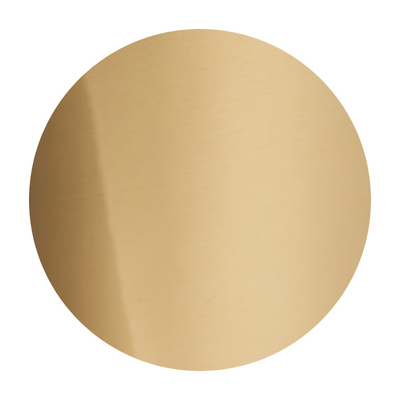 Brushed Brass
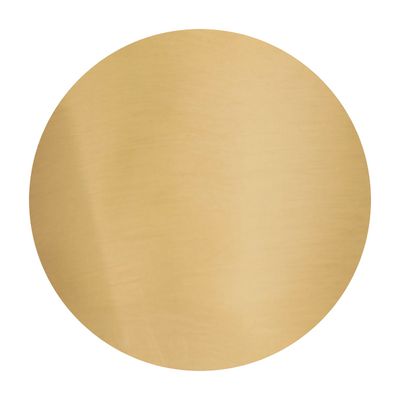 Brushed Gold
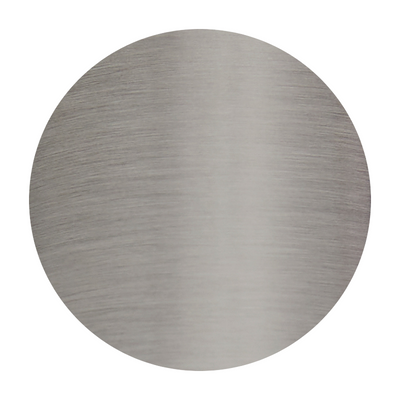 Brushed Nickel
 Champagne
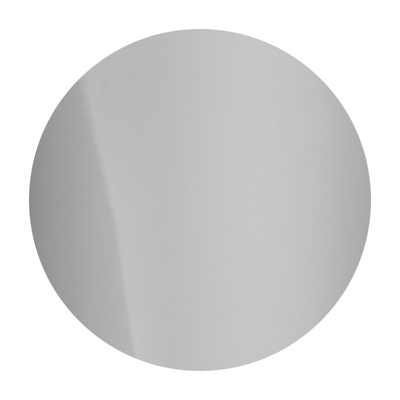 Chrome
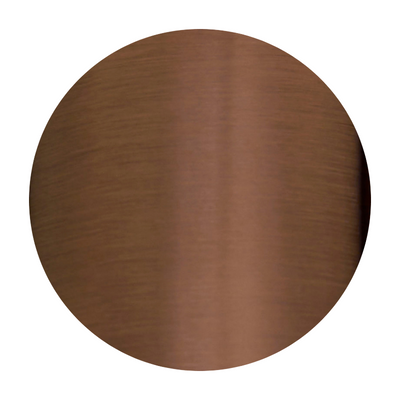 Copper
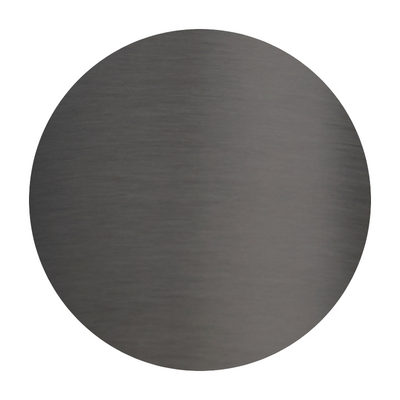 Gun Metal Grey
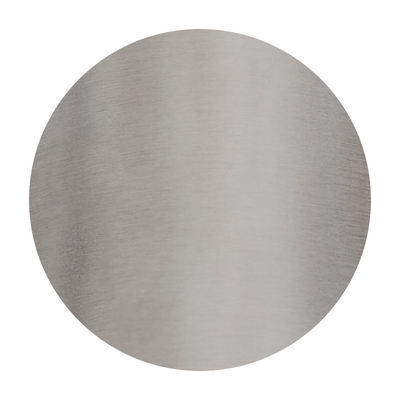 Stainless Steel
Ceiling Fans
-
 $649Original price $649 - Original price $649Original price $649
Current price
$467
(28% OFF)From $467
Current price
$467
The Albatross 84" DC ceiling fan is Martec’s largest ceiling fan. This powerful and efficient fan comes with a 35W brushless DC motor and is also ...
View full details$649Original price $649 - Original price $649Original price $649Current price
$467
(28% OFF)From $467
Current price
$467
-
 $599Original price $599 - Original price $599Original price $599
Current price
$529
(12% OFF)From $529
Current price
$529
The Albatross 84" DC ceiling fan is Martec’s largest ceiling fan. This powerful and efficient fan comes with a 35W brushless DC motor and is also a...
View full details$599Original price $599 - Original price $599Original price $599Current price
$529
(12% OFF)From $529
Current price
$529
-
 $599Original price $599 - Original price $599Original price $599
Current price
$529
(12% OFF)From $529
Current price
$529
The Albatross 84" DC ceiling fan is Martec’s largest ceiling fan. This powerful and efficient fan comes with a 35W brushless DC motor and is also ...
View full details$599Original price $599 - Original price $599Original price $599Current price
$529
(12% OFF)From $529
Current price
$529
-
 $748Original price $748 - Original price $748Original price $748
Current price
$609
(19% OFF)From $609
Current price
$609
The Albatross 84" DC ceiling fan is a powerful and efficient ceiling fan thanks to its 35W brushless DC motor. The ceiling fan is also available i...
View full details$748Original price $748 - Original price $748Original price $748Current price
$609
(19% OFF)From $609
Current price
$609
-
 $748Original price $748 - Original price $748Original price $748
Current price
$609
(19% OFF)From $609
Current price
$609
The Albatross 84" DC ceiling fan is a powerful and efficient ceiling fan thanks to its 35W brushless DC motor. The ceiling fan is also available i...
View full details$748Original price $748 - Original price $748Original price $748Current price
$609
(19% OFF)From $609
Current price
$609
-
 $758Original price $758 - Original price $758Original price $758
Current price
$549
(28% OFF)From $549
Current price
$549
The Albatross 84" DC ceiling fan is a powerful and efficient ceiling fan thanks to its 35W brushless DC motor. The ceiling fan is also available i...
View full details$758Original price $758 - Original price $758Original price $758Current price
$549
(28% OFF)From $549
Current price
$549


Ceiling Fans
Picking the right ceiling fan comes down to four checks. Room size, motor type (DC or AC), whether you want a light built in, and where it's going (indoors, alfresco, or somewhere exposed). Get those sorted and everything else is styling.
Our range covers indoor living and bedroom fans, alfresco and outdoor-rated models, quieter DC options, and fans with integrated LED lights so you're not adding a separate downlight. A low profile ceiling fan works for ceilings under 2.4m. Downrod models handle standard and raked ceilings. This page walks through what actually matters before you order, then points you to the right sub-collection.
The main types of ceiling fan (and when each makes sense)
The biggest choice is the motor. A DC ceiling fan runs on a direct current motor, which is quieter, lighter, and typically draws about a third of the watts of a comparable AC fan at the same speed, making it the more energy efficient ceiling fan choice long-term. AC fans use the standard alternating current motor. They tend to cost less upfront and are still a solid pick for living areas where noise isn't the deciding factor. If it's going in a bedroom, a bedroom ceiling fan on DC power is usually worth the extra spend for the quieter run at night.
Blade material matters too. A timber blade ceiling fan gives a warmer look and runs quietly, which is also where you'll find our quietest picks if a quiet ceiling fan is the priority. ABS (a moulded plastic) is light and handles humid rooms well. Aluminium suits contemporary spaces and outdoor use where corrosion resistance matters. Most fans ship with a remote, and a growing share are smart-enabled so you can set speed and reverse mode from your phone or pair them with Google Home or Alexa. Some come with a light kit fitted, others without. Pick that based on your ceiling wiring, not the look.
Match the blade span to the room
Blade span is the diameter from tip to tip. Undersize it and the room feels stagnant. Oversize it and you get noise and wobble. Rough guide below.
| Room size | Blade span | Typical use |
|---|---|---|
| Up to 10 sqm | 42" / 1060mm | Small bedroom, study, ensuite |
| 10 to 20 sqm | 48 to 52" / 1220 to 1320mm | Standard bedroom, dining |
| 20 to 30 sqm | 54 to 56" / 1370 to 1420mm | Living room, large bedroom |
| 30 sqm+ | 60"+ / 1520mm+ | Open-plan, alfresco |
For long rectangular rooms, two smaller fans usually work better than one oversized one. For open-plan zones or very large rooms, browse our large fans range instead of oversizing a standard model.
Ceiling fans with lights
If the room only has one ceiling point, a ceiling fan with light saves adding a second circuit. Most ceiling fans with lights use LED panels with a fixed or switchable colour temperature. Warm white (around 3000K) suits bedrooms and living rooms. Cool white (4000K+) works better in kitchens and outdoors. Check whether the fan needs one switch or two at the wall. Some run everything from the remote off a single active. Others split the fan and light circuits.
Indoor or outdoor, what changes
Outdoor fans have sealed motors, corrosion-resistant housings, and an IP rating. IP44 (protected against solid objects over 1mm and splashing water from any direction) is the minimum for a covered alfresco. A fully exposed patio or coastal deck needs a higher rating and marine-grade materials, otherwise the finish pits and the bearings go early. If you're within a few kilometres of the coast, ask about salt-air rated models before ordering. The outdoor ceiling fans range covers compliant options.
What it costs to run
Running cost is straightforward. Watts drawn, multiplied by hours running, multiplied by your electricity tariff. A DC fan on medium might draw 15 to 20 watts. An AC equivalent sits closer to 50 to 70 watts. Over a hot summer running six to eight hours a day, that gap adds up, which is exactly why an energy efficient ceiling fan on DC power tends to pay for the price difference over a few seasons.
Most fans include a reverse function. In summer, blades spin one way to push cool air down. In winter, reverse mode spins them the other way at low speed to pull warm air off the ceiling and circulate it back into the room. Paired with air conditioning, a fan lets you lift the thermostat setting a degree or two and still feel the same. That's where the real saving sits.
Before you install
Rule of thumb: blade tips need to sit at least 2.1m off the floor for safe clearance. Standard 2.4m ceilings work with a short downrod or none at all. Higher ceilings need a longer downrod, and our ceiling fan accessories range covers extension rods and wall controls, to bring the fan into the effective airflow zone. Raked or sloped ceilings need a compatible angled mount. Low profile (hugger) fans suit anything under 2.4m. Hard-wired installation must be done by a licensed electrician under AS/NZS 3000, the Australian wiring rules. Near wet areas, zone classifications apply too. See our guide to bathroom heating and ventilation for the detail.
FAQs
Measure the room in square metres and match it to the sizing table above. For rooms over 30 sqm or long rectangular layouts, two fans give better coverage than one large one.
Yes, in most cases. The motor design runs smoother and at lower watts, which means less hum. Bedrooms are where you'll notice it most.
Only if it's rated for the electrical zone it's going into. Standard indoor fans aren't suitable above a shower or bath. Check the IP rating against AS/NZS 3000 zones before ordering.
Yes. Hard-wired ceiling fans must be installed by a licensed electrician under AS/NZS 3000. Plug-in options don't exist in any practical sense for ceiling mounts.
Why buy your ceiling fan from Blue Leaf
We're a specialist ceiling fans Australia retailer, with a curated range including Martec, Brilliant and Mercator, alongside the wider fans and lighting range if you're planning the whole room. Whether you need ceiling fans Melbourne-wide or anywhere else in the country, we ship Australia-wide. Give us a call before you order if you're unsure on motor type, blade span or IP rating for your space.