

 1901 Sinks
 Abey
Abey
 ADP
ADP
 ART Australia
 Blanco
 Caroma
 Decina
 Fienza
 Forme
Forme
 Geberit
 Linkware
 Linsol
 Lockwood
 Martec
 Meir
Meir
 Mercator
 Nero Tapware
 Oliveri
 Parisi
 Phoenix
 Radiant Heating
 Remer
Remer
 Timberline
 Turner Hastings
 Zip Water
 Accessories
 Basins
 Baths
Baths
 Mirrors
 Showers
 Taps
Taps
 Toilets
 Wastes
 Assisted Living
 Heating & Ventilation
 Boiling / Chilled / Sparkling Taps
 Sinks
Sinks
 Sink Taps
 Sink Accessories
 Laundry Tubs
 Laundry Taps
 Ceiling Fans
 Lighting
 Freestanding Vanities
 Wall Hung Vanities
 Shaving Cabinets
 Cabinet Handles
 Australian Made
 Cooktops
 Induction Cooktops
 Gas Cooktops
 Electric Cooktops
 Dryers
 Fridges
 Microwaves
 Ovens
Ovens
 Rangehoods
 Washing Machines
 Black
Black
 Brushed Brass
 Brushed Gold
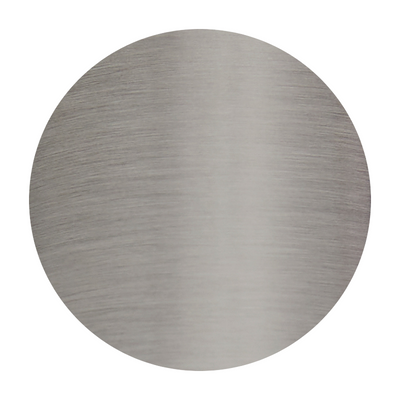 Brushed Nickel
 Champagne
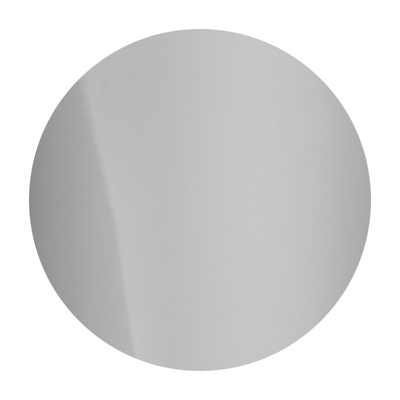 Chrome
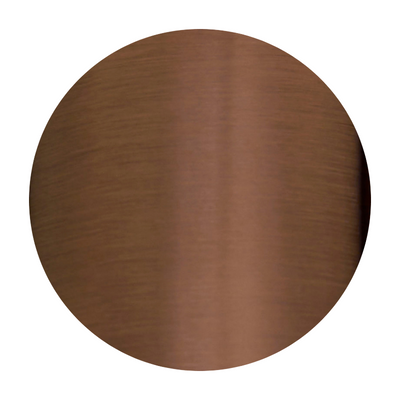 Copper
 Gun Metal Grey
 Stainless Steel
Close Coupled Toilets
-
 $880Original price $880 - Original price $880Original price $880
Current price
$750
(15% OFF)From $750
Current price
$750
Product Information Traditional, vintage style Boxed rim pan Concealed pan for easy cleaning UF soft close seat High quality, Geberit flush mec...
View full details$880Original price $880 - Original price $880Original price $880Current price
$750
(15% OFF)From $750
Current price
$750
-
 $2,400Original price $2,400 - Original price $2,400Original price $2,400
Current price
$2,160
(10% OFF)From $2,160
Current price
$2,160
Made in Italy, the Stafford Back to Wall Toilet Suite brings together traditional styling and a true back-to-wall design, creating a cleaner and mo...
View full details$2,400Original price $2,400 - Original price $2,400Original price $2,400Current price
$2,160
(10% OFF)From $2,160
Current price
$2,160


Close coupled toilets, explained simply
A close coupled toilet is a two-piece suite where the cistern bolts straight onto the back of the pan. No gap, no exposed pipe between them. It's the most common toilet style in Australian homes because it suits standard floor wastes, fits tight ensuites, and installs without an in-wall frame.
Replacing an old suite or speccing a reno around existing plumbing? This is usually the shape that drops in cleanest. We stock Caroma, Fienza, Abey, Decina and a few others, with rimless pans, soft-close seats and 4-star WELS as standard across most models.
Before you scroll the products, three things decide whether a suite will actually fit your bathroom: trap type, set-out measurement, and WELS rating. Get those right on paper and the install is straightforward. Get them wrong and the suite goes back. Still weighing up toilet styles? Have a look at the full toilet range first.
What to check before you order
Four decisions cause most wrong orders. Work through them in this order and you'll shortlist the right suite quickly.
Trap type (S-trap or P-trap). S-trap means the waste pipe drops through the floor. P-trap means it exits horizontally through the wall. Look at your existing suite, or ask your plumber, before you order.
Set-out measurement. This is the distance from the finished wall to the centre of the floor waste (S-trap), or from the finished floor to the centre of the wall outlet (P-trap). Measure from finished surfaces, not framing.
WELS star rating. The Australian Government WELS scheme rates 4-star toilets at ≤4.7L full flush, ≤3.2L half flush and ≤3.5L average. 6-star toilets sit at ≤2.5L average. Most close coupled suites are 4-star at 4.5/3L dual flush.
Cistern style and pan. Concealed cisterns hide the internals behind a smooth shroud for easier cleaning. Exposed cisterns are simpler to service. Rimless pans skip the under-rim trap where build-up collects.
Want the flush rear profile without going in-wall? The back-to-wall toilet collection is the next step up.
S-trap vs P-trap set-out at a glance
Measure from finished wall and finished floor. These ranges are pulled from current Caroma, Argent and Ideal Standard technical sheets.
| Trap type | Typical set-out / outlet height | Adjustable range | Best suited to |
|---|---|---|---|
| S-trap standard | 140mm recommended | Fixed | New builds where waste is set to spec |
| S-trap universal (e.g. Caroma Seido) | 80–180mm with Uniconnector | 181–240mm with offset connector | Renos where the existing floor waste isn't perfectly placed |
| P-trap | 185mm outlet height (screw-fix) or 195mm (bedding) | Limited | Bathrooms with wall outlets, common in apartments |
| Ideal Standard Concept (S/P) | 140–250mm S-trap range | Wide adjustable | Reno fit-outs with uncertain rough-in |
| Skew pan | Side outlet (left or right) | N/A | Older homes where the waste exits sideways |
If your measurement falls outside a suite's adjustable range, an offset connector usually solves it. Worth confirming with us before you order.
Installation and Australian compliance
A licensed plumber must install any toilet suite in every Australian state and territory. That's not optional. DIY installation will void the warranty and your home insurance position.
What your plumber will check
Before connecting, they'll confirm the WaterMark certification on the suite (required under AS 1172 for all plumbing fixtures), the WELS registration (tested at an accredited lab under AS/NZS 6400:2016), the rough-in measurement against the suite's adjustable range, and the cold water inlet position, bottom or back entry depending on the cistern.
Keeping an existing pan and only replacing the cistern? The toilet cisterns collection is where to look. Starting fresh? Confirm trap type and set-out before checkout.
Close coupled toilet questions answered
What's the difference between S-trap and P-trap?
S-trap waste pipes drop through the floor. P-trap waste pipes exit horizontally through the wall. The pan and cistern look identical from the front. The difference is purely where the waste outlet sits. You can't swap one for the other without re-plumbing, so match the suite to your existing setup.
How do I measure rough-in or set-out before ordering?
For S-trap, measure from the finished wall to the centre of the floor waste outlet. For P-trap, measure from the finished floor to the centre of the wall outlet.