

 1901 Sinks
 Abey
Abey
 ADP
ADP
 ART Australia
 Blanco
 Caroma
 Decina
 Fienza
 Forme
Forme
 Geberit
 Linkware
 Linsol
 Lockwood
 Martec
 Meir
Meir
 Mercator
 Nero Tapware
 Oliveri
 Parisi
 Phoenix
 Radiant Heating
 Remer
Remer
 Timberline
 Turner Hastings
 Zip Water
 Accessories
 Basins
 Baths
Baths
 Mirrors
 Showers
 Taps
Taps
 Toilets
 Wastes
 Assisted Living
 Heating & Ventilation
 Boiling / Chilled / Sparkling Taps
 Sinks
Sinks
 Sink Taps
 Sink Accessories
 Laundry Tubs
 Laundry Taps
 Ceiling Fans
 Lighting
 Freestanding Vanities
 Wall Hung Vanities
 Shaving Cabinets
 Cabinet Handles
 Australian Made
 Cooktops
 Induction Cooktops
 Gas Cooktops
 Electric Cooktops
 Dryers
 Fridges
 Microwaves
 Ovens
Ovens
 Rangehoods
 Washing Machines
 Black
Black
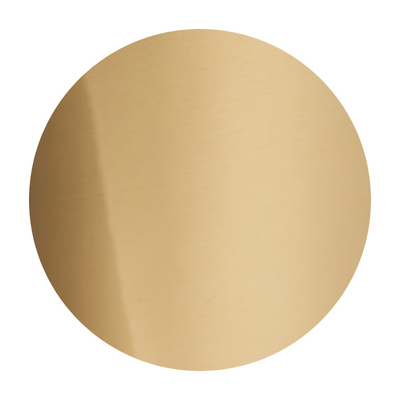 Brushed Brass
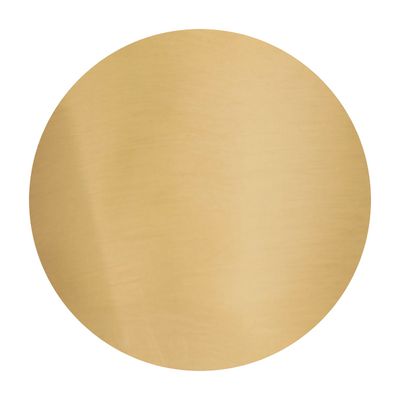 Brushed Gold
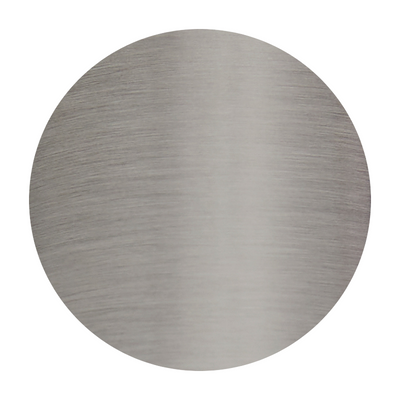 Brushed Nickel
 Champagne
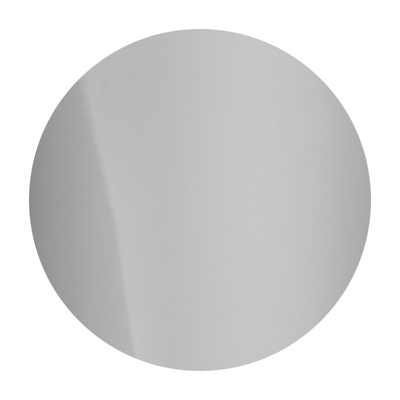 Chrome
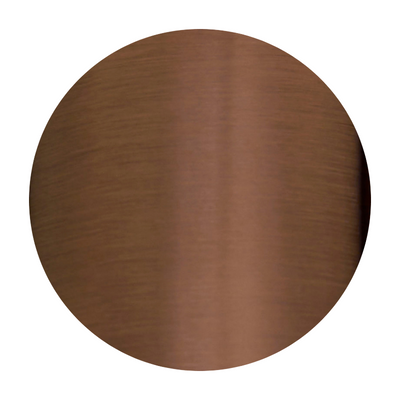 Copper
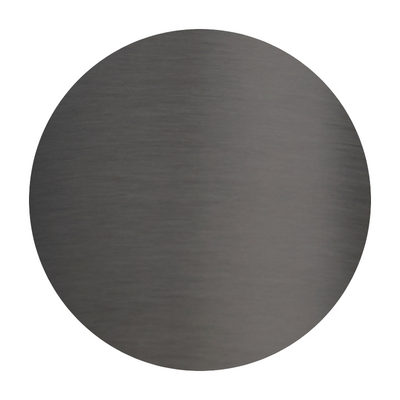 Gun Metal Grey
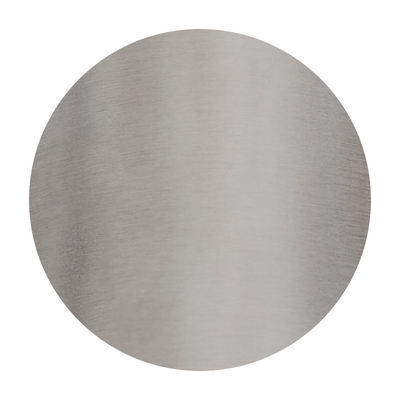 Stainless Steel
Freestanding Vanities
-
 Australian MadeFrom $1,019Original price $1,019 - Original price $2,849Original price $1,019
From $940
(UP TO 10% OFF)From $940
Current price
$940
ADP Glacier Door & Drawer Trio Freestanding Vanity & Moulded Top - Lite is style meets affordability. Made by the renowned bathroom furnit...
View full detailsFrom $1,019Original price $1,019 - Original price $2,849Original price $1,019From $940
(UP TO 10% OFF)From $940
Current price
$940
-
 Australian MadeFrom $909Original price $909 - Original price $1,179Original price $909
From $835
(UP TO 7% OFF)From $835
Current price
$835
ADP Glacier Ensuite Door & Drawer Trio Freestanding Vanity & Moulded Top - Lite is style meets affordability. Australian made products mea...
View full detailsFrom $909Original price $909 - Original price $1,179Original price $909From $835
(UP TO 7% OFF)From $835
Current price
$835
-
 Australian MadeFrom $1,779Original price $1,779 - Original price $3,709Original price $1,779
From $1,643
(UP TO 10% OFF)From $1,643
Current price
$1,643
ADP Glacier Ensuite All-Drawer Trio Freestanding Vanity - Lite is style meets affordability. Australian made products mean quality you can trust. ...
View full detailsFrom $1,779Original price $1,779 - Original price $3,709Original price $1,779From $1,643
(UP TO 10% OFF)From $1,643
Current price
$1,643


A freestanding vanity sits on the floor rather than hanging off the wall. No wall backing to find, no brackets to load up, no plumbing that has to exit the wall at an exact height. That's why it's the default in most Australian bathroom renos, and why it's usually the quicker install.
The decision that matters isn't the finish. It's the width. Everything else follows from it.
Start With the Wall, Not the Vanity
Measure the wall you're putting it against, then take off 50mm each side. That's your working width. Whatever's left is what you're actually shopping for.
Most bathrooms land in one of four ranges, and each one comes with a different trade-off:
Under 650mm, you're in powder room and small ensuite territory. Vanities 500–650mm give you a basin and a bit of storage underneath, and that's about it. Enough for a hand towel and a spare roll.
Between 660mm and 900mm is where most single-basin bathrooms sit. 660–900mm freestanding vanities fit a real drawer or two alongside the basin waste, which is the difference between storage that works and storage that's just a cupboard full of pipe.
Once you're past 900mm, the drawers stop fighting the plumbing. 910–1200mm freestanding vanities can run full-width drawers because the basin sits off-centre or the waste routes around them.
Above 1200mm you're into main bathroom sizes. 1210–1800mm freestanding vanities give you the option of two basins, or one basin and a lot of bench.
Depth Is the One People Forget
Standard depth is 460–500mm. That sounds small on paper and feels much bigger once it's in a 1.5m-wide bathroom.
You want 750mm of clear floor in front of the vanity to stand and use it comfortably. 600mm works but feels tight. Below 600mm you'll be turning sideways to get past it, every morning, for as long as you live there.
If the numbers don't add up, reduced-depth units are the fix. Small vanities come in at 350–400mm deep instead of 460–500mm. You give up some drawer capacity and get back 100mm of floor. In a powder room that's almost always the right call.
Height is standardised at around 850mm including the top. An above-counter basin adds 100–150mm on top of that, so the rim can end up near 950mm. Fine for adults. High for kids. Worth thinking about if this is the bathroom the children use.
If you want the full set of numbers before you commit, our bathroom vanity dimensions guide runs through clearances, basin heights and the combinations that trip people up.
When a Double Is Worth It
1200mm is the floor for a double vanity. Below that, two basins leave you with no bench between them, and the bench is the bit you actually use.
At 1500mm and up, the maths changes. Double bowl freestanding vanities in that range give each person a basin, a tap and somewhere to put a toothbrush down. If two adults are in there at 7am on a weekday, this is the thing people say they'd do again.
Between 1200mm and 1500mm, be honest about how often that actually happens. Plenty of people fit a double, then use one basin for a decade and wish they'd taken the drawer space instead.
Materials, and What They Do Over Time
Most vanities are moisture-resistant board with a finish over the top, and that's fine for most bathrooms. Where it matters is how the cabinet handles years of steam.
Solid timber vanities cope with humidity better than board and can be sanded back and resealed years down the track. They cost more upfront. In a bathroom that gets used hard, they last.
Fluted vanities get their texture from the profile rather than from hardware, so they read as furniture rather than cabinetry. The grooves do hold dust, which nobody mentions until you own one.
In a narrow bathroom, a sharp cabinet corner sits right at hip height. Curved vanities solve that, and they soften a room that's otherwise all straight lines and grout.
Colour is the easiest thing to get wrong and the hardest to undo. A white bathroom vanity stays neutral while everything around it dates. Tapware finishes come and go. Tiles definitely do.
Ensuites have their own constraints, usually less width and a door that opens the wrong way. Ensuite vanities are sized for that.
Brands, and Why It Matters Five Years On
Board rated for Australian humidity behaves differently to board that isn't, and it shows up in the joins after a few winters. An Australian made vanity is also easier to get parts for when a soft-close runner gives out in 2031.
Timberline freestanding vanities and ADP freestanding vanities are the two we get asked about most. Both Australian, both soft-close as standard, and both sell the top and basin as part of the unit rather than sending you off to source them separately.
If your wall is an odd width, or there's a window or a door swing eating into the run, a custom vanity lets you set the width, the drawer layout and where the basin sits.
Freestanding or Wall Hung
Freestanding is easier. The kickboard hides the pipework, the floor takes the weight, and nobody has to open up a wall.
Wall hung looks lighter and makes mopping simpler, because the floor runs underneath. The cost is prep: you need solid backing in the wall to carry the load, and the plumbing has to come through at the right height. In an existing bathroom, that usually means the wall comes off.
If the wall can take it and you're already in there, wall hung bathroom vanities are worth the extra work in a small bathroom. At the larger end, double bowl wall hung vanities do the same job for two.
We've written the full comparison, install effort and all, in freestanding vs wall hung vanities.
Check the Basin Before You Buy the Tap
Some vanities include the top and basin. Some don't. The listing says which.
If you're buying the basin separately, the height matters more than the look. Above counter basins sit on the bench, so the rim can be 130mm up. A standard tap won't clear it. You need at least 150mm of spout height or you'll be washing your hands under a trickle.
Undermount and inset basins sit flush or below the bench, and work fine with standard bathroom basin taps.
The other thing to check is tap holes. Some basins come drilled for one, some for three, some for none. A basin with no hole means the tap goes into the bench or the wall, and that's a decision your plumber needs before they start, not after.
Pairing It With the Rest of the Room
If the vanity is going into a full reno rather than a swap-out, it'll sit alongside whatever else isn't fixed to the wall. Freestanding baths work with freestanding vanities for the same reason: both read as objects in the room rather than joinery built into it.
Why Buy From Blue Leaf
Every listing shows the dimensions, the basin type, the tap hole configuration and whether the top's included. That's the information you need to check compatibility before you order, rather than working it out when the box arrives.
- Widths from 500mm to 1800mm, single and double
- Australian brands including Timberline and ADP
- Solid timber, fluted, curved and white finishes
- Custom sizing when standard widths leave awkward gaps
- Fast shipping Australia-wide
- A team that'll tell you if your tap won't clear your basin, before you buy both
Freestanding Vanities FAQs
Measure the wall, take off 50mm each side, and shop to what's left. Most single-basin bathrooms land between 660mm and 900mm. Under 650mm suits powder rooms and small ensuites. You need 1200mm minimum before a double basin makes sense.
They don't rely on the wall to hold the weight, but most get a bracket or a bead of silicone at the back so they can't shift. Your plumber will sort it during install.
Yes. Check the floor's level first. If it isn't, the doors won't sit square and the drawers won't close properly. Most units have adjustable feet behind the kickboard for exactly this.
Around 850mm including the benchtop. An above-counter basin adds 100–150mm, which puts the rim closer to 950mm.
Usually. No wall backing to find, no plumbing to relocate to an exact height, and the kickboard covers the pipework. Wall hung looks lighter but wants more prep.
Often, not always. Check the listing. If the basin's separate, confirm the rim height and tap hole configuration before you buy tapware.
750mm of clear floor is comfortable. 600mm is tight but workable. Below 600mm you'll be squeezing past it every day.
Yes. Custom sizing lets you set the width, the drawer layout and where the basin sits, which is useful when a window or a door swing eats into the run.
Measure the wall. Check what's left in front. Confirm whether the top and basin are included. Then worry about the finish.