

 1901 Sinks
 Abey
Abey
 ADP
ADP
 ART Australia
 Blanco
 Caroma
 Decina
 Fienza
 Forme
Forme
 Geberit
 Linkware
 Linsol
 Lockwood
 Martec
 Meir
Meir
 Mercator
 Nero Tapware
 Oliveri
 Parisi
 Phoenix
 Radiant Heating
 Remer
Remer
 Timberline
 Turner Hastings
 Zip Water
 Accessories
 Basins
 Baths
Baths
 Mirrors
 Showers
 Taps
Taps
 Toilets
 Wastes
 Assisted Living
 Heating & Ventilation
 Boiling / Chilled / Sparkling Taps
 Sinks
Sinks
 Sink Taps
 Sink Accessories
 Laundry Tubs
 Laundry Taps
 Ceiling Fans
 Lighting
 Freestanding Vanities
 Wall Hung Vanities
 Shaving Cabinets
 Cabinet Handles
 Australian Made
 Cooktops
 Induction Cooktops
 Gas Cooktops
 Electric Cooktops
 Dryers
 Fridges
 Microwaves
 Ovens
Ovens
 Rangehoods
 Washing Machines
 Black
Black
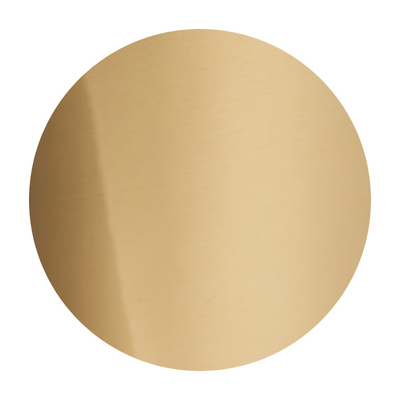 Brushed Brass
 Brushed Gold
 Brushed Nickel
 Champagne
 Chrome
 Copper
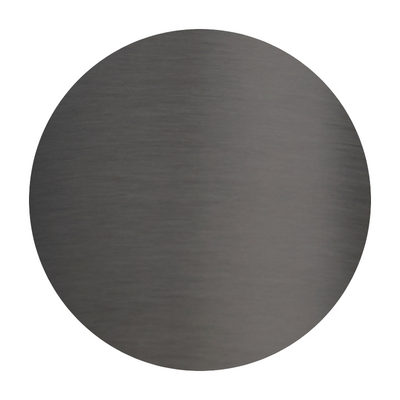 Gun Metal Grey
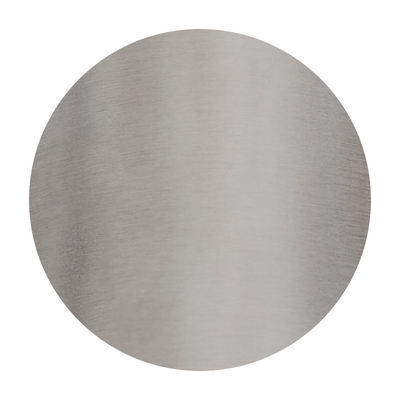 Stainless Steel
Kitchen Taps
-
 $1,099Original price $1,099 - Original price $1,099Original price $1,099
Current price
$989
(10% OFF)From $989
Current price
$989
Delivering exceptional performance and sustainability. Enjoy the best of design and eco-friendly function with our Franke Active Taps. Product In...
View full details$1,099Original price $1,099 - Original price $1,099Original price $1,099Current price
$989
(10% OFF)From $989
Current price
$989
-
 $1,159Original price $1,159 - Original price $1,159Original price $1,159
Current price
$1,043
(10% OFF)From $1,043
Current price
$1,043
Delivering exceptional performance and sustainability. Enjoy the best of design and eco-friendly function with our Franke Active Taps. Product In...
View full details$1,159Original price $1,159 - Original price $1,159Original price $1,159Current price
$1,043
(10% OFF)From $1,043
Current price
$1,043
-
 $1,099Original price $1,099 - Original price $1,099Original price $1,099
Current price
$989
(10% OFF)From $989
Current price
$989
Delivering exceptional performance and sustainability. Enjoy the best of design and eco-friendly function with our Franke Active Taps. Product In...
View full details$1,099Original price $1,099 - Original price $1,099Original price $1,099Current price
$989
(10% OFF)From $989
Current price
$989
-
 $1,459Original price $1,459 - Original price $1,459Original price $1,459
Current price
$1,313
(10% OFF)From $1,313
Current price
$1,313
The Orbit Non Pull-Out Tap in stainless steel offers a sleek, minimalist design with dependable functionality. Its fixed swivel spout provides eas...
View full details$1,459Original price $1,459 - Original price $1,459Original price $1,459Current price
$1,313
(10% OFF)From $1,313
Current price
$1,313


After a standard deck-mounted mixer for a single-hole sink? Head straight to our kitchen mixer taps collection. This page is for everything else.
Kitchen tapware covers a lot more than the one tap sitting on the sink. You'll find pull-out and pull-down mixers here, gooseneck spouts with the clearance for a stockpot, wall-mounted taps, filtered water taps, boiling and chilled units like the Zip HydroTap, pot fillers over the cooktop, and exposed sink sets in the classic shepherd's crook shape.
Brands across these styles include Caroma, Phoenix Tapware, Methven, Nero, Parisi and Zip. Different look, different price, same compliance requirements in Australia. We'll get to that.
Types of kitchen taps and when each one earns its place
- Pull-out and pull-down mixers. The retractable spray handles big pots, the far corner of a double bowl, and rinsing veg without splashing the bench. The most popular style for a reason.
- Gooseneck taps. A tall arched spout that clears tall jugs and stockpots. Pair with a deeper sink so it doesn't splash.
- Wall-mounted taps. Clean look, easy to wipe under. The rough-in (the in-wall plumbing point) must be set before tiling. Measure twice. Once it's tiled, you're stuck with it.
- Filtered water taps. A separate cartridge under the sink feeds a dedicated spout, or a 3-in-1 unit runs hot, cold and filtered through one body.
- Boiling and chilled taps. Zip HydroTap and similar. Filtered boiling and chilled water on demand, with the command unit sitting in the cupboard below.
- Pot fillers. Mounted on the wall behind the cooktop, folds away when not in use. Saves carrying a full pot across the kitchen.
- Exposed sink sets. Two-handle, exposed pipework, often a shepherd's crook spout. Classic country kitchen look.
Filtered kitchen taps, what's actually involved
Three options. A dedicated filter tap with its own spout (purest setup, second tap on the bench). A 3-in-1 that runs hot, cold and filtered through one mixer (tidier, slightly more cost). Or a boiling/filtered combo like the Zip HydroTap.
All of them need undersink space for a filter housing and a cold-water tee off the existing line. Check the cupboard has clearance to swap the cartridge, not just fit it. Cartridges typically need replacing every 6 to 12 months depending on model and water quality. They generally reduce chlorine, sediment and taste. Ongoing cost worth factoring in.
Kitchen tap comparison at a glance
| Tap type | Mounting | Requires | Best for |
|---|---|---|---|
| Pull-out mixer | Deck | Single tap hole | Everyday kitchens, double bowls |
| Gooseneck | Deck | Deeper sink to limit splash | Tall pots and jugs |
| Wall-mounted | Wall | Rough-in set before tiling | Clean look, easy clean bench |
| Filtered | Deck (extra hole or 3-in-1) | Undersink cartridge housing | Drinking water at the sink |
| Boiling/HydroTap | Deck | Power, undersink command unit | Boiling and chilled on demand |
| Pot filler | Wall, behind cooktop | Cold line plumbed to the wall | Filling pots at the stove |
Finishes, what looks good and what stays looking good
Chrome is the workhorse. Forgiving, easy to wipe, matches almost anything. Brushed nickel and brushed brass hide fingerprints and water spots well, which is why they keep showing up in busy family kitchens.
Matte black looks sharp but shows hard-water marks and toothpaste-style smears more than people expect. A quick wipe after use keeps it right. Gunmetal and gold are statement finishes, usually PVD coated (a hard-wearing colour layer bonded to the brass). Treat them gently. Soft cloth, no abrasive cleaners, no scourers, ever.
Installation and what the standards actually mean
Two things to know. WELS (the Water Efficiency Labelling Scheme, the star rating on the box) tells you how much water the tap uses. Higher stars, lower flow, lower bills. Watermark certification (mandatory plumbing product approval in Australia) means the product is approved for connection to mains water. Both are non-negotiable on a legitimate kitchen tap.
Wall-mounted taps need the rough-in plumbed and set at the right height before the splashback goes on. Filtered taps need undersink space for the filter housing and a cold-water tee. In Australia, a licensed plumber must do the connection.
Keeping a kitchen tap working
Unscrew the aerator (the mesh tip on the spout) every few months, rinse the grit out, screw it back on. Pressure restored. Wipe finishes with a soft damp cloth, never a scourer, especially on matte black and brushed finishes. If your tap drips when you turn it off, it's usually the ceramic disc cartridge, not the whole mixer. Replacement cartridges are cheap and most brands stock spares for years.
Why buy kitchen taps from Blue Leaf
We're not a marketplace. The lineup is chosen, not listed. Phoenix tapware, Caroma, Methven, Nero, Parisi and Zip sit alongside each other because they each earn their place at their price point. Every tap is WELS rated and Watermark certified for Australian connection.
The team knows what rough-in distance a wall-mounted tap needs, which models have ceramic disc cartridges with easy spare parts, and which finish wears best in a busy kitchen. Ask before you order. Ships Australia-wide.
Pair your kitchen tap with the right sink
A tall gooseneck over a shallow sink splashes. Worth matching the two. Browse our stainless steel sinks for the right bowl depth, or the kitchen mixer taps collection if a standard deck mixer is actually what you need. To match finishes across the home, our bathroom tapware range carries the same brushed brass, matte black and brushed nickel families. The Caroma kitchen taps collection is worth a look if you want one brand running through the whole house.
Kitchen taps FAQs
A pull-out has a retractable spray head you pull toward you. A gooseneck has a fixed tall arched spout. Pull-outs are more flexible, goosenecks have the cleaner architectural look.
Most Australian mains-pressure taps are rated for standard household pressure. If you're on tank or low-pressure supply, check the product's minimum pressure rating before buying.
No. Plumbing connections to mains water must be done by a licensed plumber. DIY installation voids warranty and breaches plumbing regulations.
A 6-star tap uses noticeably less water than a 3-star over a year of cooking and rinsing. Real saving on water, and on the gas or electricity used to heat it.
Typically 6 to 12 months, depending on the model and your water quality. The manual gives you the litre rating, not just the months.