

 1901 Sinks
 Abey
Abey
 ADP
ADP
 ART Australia
 Blanco
 Caroma
 Decina
 Fienza
 Forme
Forme
 Geberit
 Linkware
 Linsol
 Lockwood
 Martec
 Meir
Meir
 Mercator
 Nero Tapware
 Oliveri
 Parisi
 Phoenix
 Radiant Heating
 Remer
Remer
 Timberline
 Turner Hastings
 Zip Water
 Accessories
 Basins
 Baths
Baths
 Mirrors
 Showers
 Taps
Taps
 Toilets
 Wastes
 Assisted Living
 Heating & Ventilation
 Boiling / Chilled / Sparkling Taps
 Sinks
Sinks
 Sink Taps
 Sink Accessories
 Laundry Tubs
 Laundry Taps
 Ceiling Fans
 Lighting
 Freestanding Vanities
 Wall Hung Vanities
 Shaving Cabinets
 Cabinet Handles
 Australian Made
 Cooktops
 Induction Cooktops
 Gas Cooktops
 Electric Cooktops
 Dryers
 Fridges
 Microwaves
 Ovens
Ovens
 Rangehoods
 Washing Machines
 Black
Black
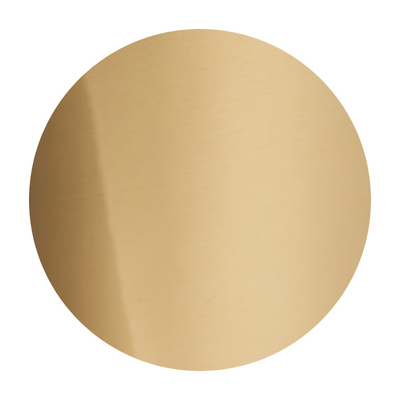 Brushed Brass
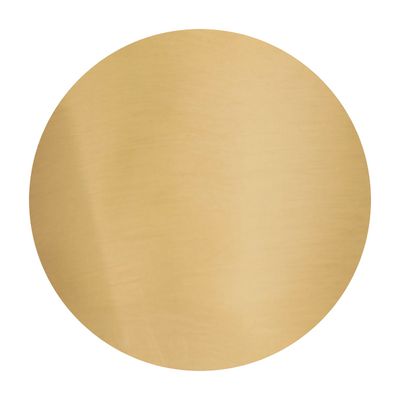 Brushed Gold
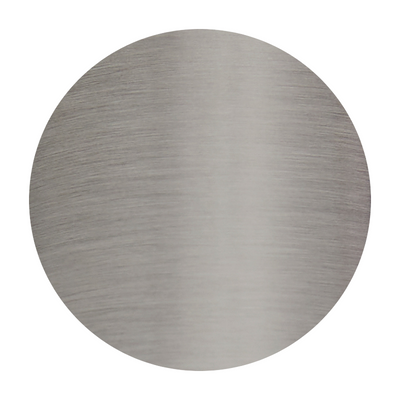 Brushed Nickel
 Champagne
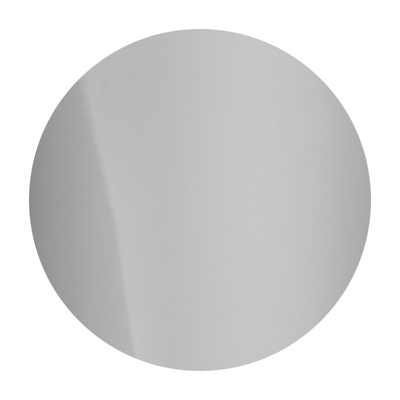 Chrome
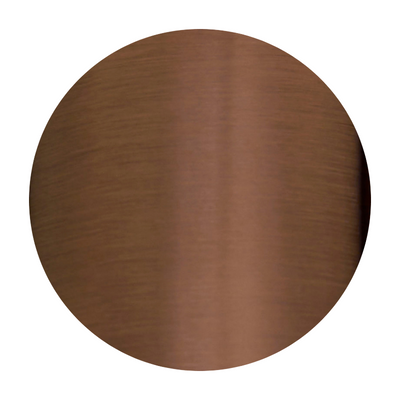 Copper
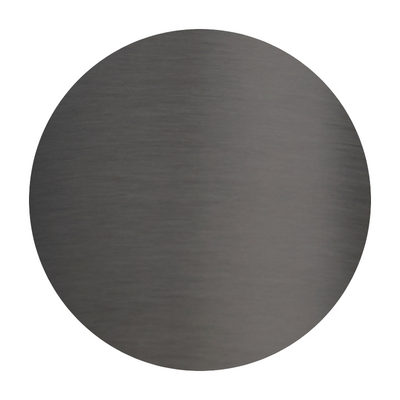 Gun Metal Grey
 Stainless Steel
Vanities & Furniture
-
 From $1,499Original price $1,499 - Original price $2,629Original price $1,499
From $1,229
(UP TO 18% OFF)From $1,229
Current price
$1,229
Made for convenience, designed to create a bold statement. The Amber collection sleek design creates an illusion of space with additional storage. ...
View full detailsFrom $1,499Original price $1,499 - Original price $2,629Original price $1,499From $1,229
(UP TO 18% OFF)From $1,229
Current price
$1,229
-
 From $1,589Original price $1,589 - Original price $2,979Original price $1,589
From $1,303
(UP TO 18% OFF)From $1,303
Current price
$1,303
Modern and classic, the Vera collection blends innovative technology with traditional styles. Minimal in design, it enhances the beauty and lightin...
View full detailsFrom $1,589Original price $1,589 - Original price $2,979Original price $1,589From $1,303
(UP TO 18% OFF)From $1,303
Current price
$1,303


Bathroom Vanities
Before you scroll ranges, three decisions matter: size, install type and basin config. Call it a vanity cabinet, a bathroom vanity unit or just bathroom furniture, the same three decisions apply. Get those right and the rest is finish preference. Our vanity range covers widths from 500mm through to 1500mm and beyond, in wall hung and freestanding builds, with single and double basin options for small ensuites through to shared family bathrooms.
We stock bathroom vanity units in Australia from Australian and international brands we trust, including Caroma, ADP, Parisi and Phoenix, so cabinets, tops and matched tapware work together without guesswork. This page walks you through the choices that trip people up most often. Wall hung versus freestanding. How width interacts with your layout. Which materials handle a wet area. And what to check on your plumbing rough-in before you order.
Vanity types: wall hung versus freestanding, single versus double
Two install decisions shape everything else. First, does the cabinet sit on the floor or hang off the wall. Second, does it carry one basin or two.
Wall hung vanities sit off the floor, which makes small bathrooms feel bigger and the space underneath easy to clean. They do need solid fixing behind the plasterboard though. A stud, a noggin, or timber packing between studs. If the wall isn't ready for the load, that's a job before delivery, not after.
Freestanding vanities sit on the floor and hide plumbing behind the kick or cabinet. They're forgiving on install and suit floor-waste plumbing without extra prep. If you're still weighing them up, the freestanding vs wall hung guide covers the trade-offs in detail.
For shared and main bathrooms, double bowl wall hung vanities sort out the morning queue. If you just want a straightforward double vanity without going wall hung, freestanding twin-basin options cover that too. They do add plumbing runs though, and need at least 1200mm of clear width to work well.
Choosing the right vanity size
Match the width to the room, not the wall it's going on. That's where most people slip up.
For small bathrooms and ensuites, 500 to 650mm vanities fit tight walls without cramping the door swing or bumping the toilet. If floor space is really tight, our small vanity range is worth a look first. Standard family bathrooms usually land at 750 to 900mm, which gives usable bench space alongside a single basin. From 1200mm up, you've got room for a double basin, or a long single with generous bench either side.
Two clearances to check before ordering. Door swing (the vanity can't sit in its arc) and toilet setout (600mm centre-to-anything is the working minimum in most layouts). Depth matters in narrow rooms too. The full bathroom vanity dimensions guide has the numbers.
Vanity sizes at a glance
| Width | Best for | Basin option | Typical install |
|---|---|---|---|
| 500-650mm | Small bath or ensuite | Single | Wall hung common |
| 750-900mm | Standard bathroom | Single | Either |
| 1200mm | Larger or shared | Single or double | Either |
| 1500mm+ | Main or shared | Double | Either |
Materials, finishes and what lasts in a wet area
Solid timber vanities bring warmth and grain you can't fake. They do need a properly sealed finish to handle bathroom humidity. Laminate and polyurethane cabinets cover the widest colour range and hold up well against splashes, which is why you'll see them across most brands. Whatever the finish, matching cabinet handles tidy up the look on any vanity cabinet.
Tops split roughly three ways. Stone (durable, heavy, cool to touch), ceramic (integrated with the basin, easy to clean) and solid surface (seamless joins, softer look). Basin choice ties in here, since every vanity with basin combo lives or dies on this pairing. Above counter basins sit on top of the bench and suit taller taps. Semi-recessed basins sit partly in the top for narrow depths. Undermount basins sit below for a flush finish.
What to check before you order
A few things trip people up more than anything else.
Plumbing rough-in. S-trap means the waste goes through the floor. P-trap means it exits the wall. Your existing plumbing dictates which vanity will fit without extra work.
Basin cutout and tap hole. The basin cutout has to match your chosen tap. Check the tap hole count (one for a mixer, three for basin sets) before you finalise.
Wall hung fixing. The wall needs a stud, noggin or bracket rated for the load. Check this before the vanity arrives, not after.
Watermark on tapware. Bathroom tapware paired with your vanity must carry Watermark certification, the mark that confirms it's approved for use in Australian plumbing.
Delivery access. Larger and double vanities won't fit through every doorway or up every stairwell. Measure the path in.
Bathroom vanity FAQs
Standard vanity height sits around 800 to 850mm including the top. Widths run from 500mm for ensuites up to 1500mm and beyond for shared bathrooms, with 750 to 900mm the most common single-basin size.
Wall hung usually wins in small bathrooms. Visible floor makes the room feel larger, and shorter widths from 500mm are easy to source. You do need a wall that can carry the fixing though.
When two people share the bathroom at the same time of day, and you've got at least 1200mm of clear width. Below that, a single basin with generous bench works better than two cramped bowls.
No. It needs a stud, a noggin, or timber packing between studs to carry the weight. On a plasterboard-only wall you'll need to open it up and add fixing before install.