

 1901 Sinks
 Abey
Abey
 ADP
ADP
 ART Australia
 Blanco
 Caroma
 Decina
 Fienza
 Forme
Forme
 Geberit
 Linkware
 Linsol
 Lockwood
 Martec
 Meir
Meir
 Mercator
 Nero Tapware
 Oliveri
 Parisi
 Phoenix
 Radiant Heating
 Remer
Remer
 Timberline
 Turner Hastings
 Zip Water
 Accessories
 Basins
 Baths
Baths
 Mirrors
 Showers
 Taps
Taps
 Toilets
 Wastes
 Assisted Living
 Heating & Ventilation
 Boiling / Chilled / Sparkling Taps
 Sinks
Sinks
 Sink Accessories
 Laundry Tubs
 Laundry Taps
 Ceiling Fans
 Lighting
 Cooktops
 Induction Cooktops
 Gas Cooktops
 Electric Cooktops
 Dryers
 Fridges
 Microwaves
 Ovens
Ovens
 Rangehoods
 Washing Machines
 Black
Black
 Brushed Brass
 Brushed Gold
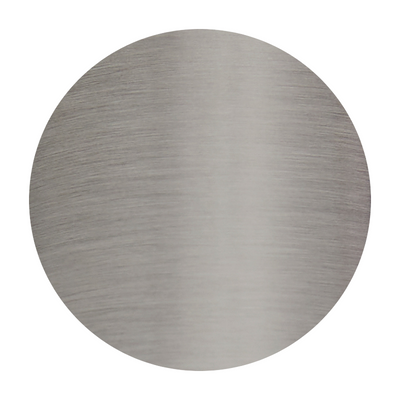 Brushed Nickel
 Champagne
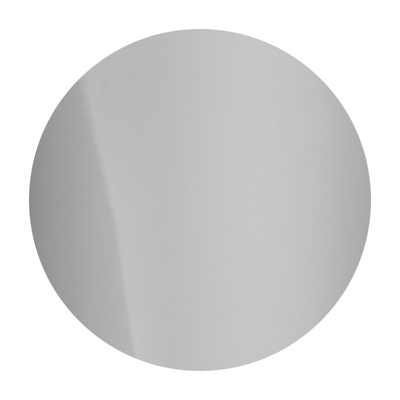 Chrome
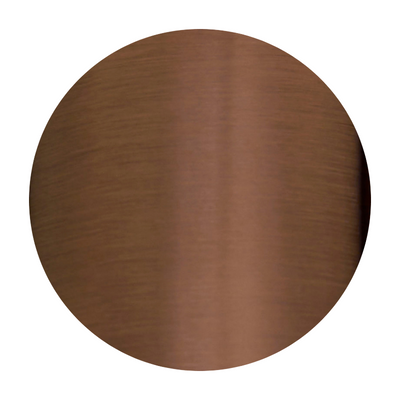 Copper
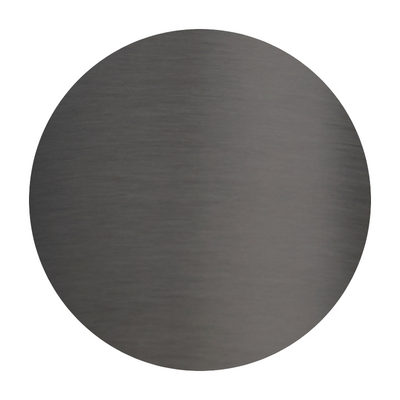 Gun Metal Grey
 Stainless Steel

How to Choose a Shower Screen: An Australian Buying Guide
Picking a shower screen comes down to three decisions: the frame type, the door action, and the glass thickness. Everything else (look, price, cleaning effort, compliance) falls out of those three. Your bathroom size and whether you've got a hob or a hobless setup will narrow the list fast. The rest is matching the screen to how you actually shower, and what the National Construction Code expects of the glass and the waterproofing underneath it.
Here's a scannable starting point before we get into detail.
Jump to section
- How to choose a shower screen
- Types of shower screens and where each one works
- Frameless vs semi-frameless vs framed: what actually differs
- Standard shower screen sizes in Australia
- Clearance and spacing: what the recess needs to allow
- How to measure for a shower screen (without doing it twice)
- Glass options and the safety rules that govern them
- Installation and what compliance actually requires
- Match the screen to your showerhead (and your water bill)
- Common shower screen mistakes (and how to avoid them)
- Keeping shower glass clean (without wrecking the hardware)
- Shower screen FAQs
- Related reads and shower screen collections
How to choose a shower screen
Start with the recess size and whether the floor is hobbed or hobless. That tells you which door action will fit. Pivot needs swing room, sliding suits alcoves, fixed panels suit walk-ins. Then pick the frame style based on look, budget, and how forgiving your walls are. Glass thickness follows the frame: 6mm for framed, 8mm for semi-frameless, 10mm for frameless. From there you check compliance, measure carefully, and order.
| Type | Glass | Standard widths | Price band | Best for |
|---|---|---|---|---|
| Frameless | 10mm toughened | 900, 1000, 1200mm | $$$ | New builds, square walls, open feel |
| Semi-frameless | 8mm toughened | 900, 1000, 1200mm | $$ | Most renos, balance of look and cost |
| Framed | 6mm toughened | 900, 1000, 1200mm | $ | Rentals, older homes with uneven walls |
| Pivot | 8-10mm | 700-900mm door | $$ | Standard recesses with swing room |
| Sliding | 6-10mm | 1200-1600mm | $$ | Alcoves, tight ensuites, family bathrooms |
Types of shower screens and where each one works
Each style solves a different problem. Pick by recess shape first, look second.
- Frameless screens use 10mm toughened glass held by brackets and hinges with no surrounding frame. They look clean and suit new builds where the walls are straight and the budget allows. Cleaning is easier because there's no channel collecting soap scum.
- Semi-frameless screens run 8mm glass with a channel at the top or bottom and minimal hardware on the door edge. The middle-ground choice, and it sits comfortably in most Australian renos.
- Framed screens have a full aluminium frame around every panel and use 6mm glass. Cheapest of the three and the most forgiving when walls are out of square. Underrated for rentals, granny flats, or anywhere the walls aren't perfectly true.
- Pivot doors swing on a central or offset hinge and need clear floor space on the outside. Good for standard alcove recesses where you've got room to swing.
- Sliding doors run on a top or bottom track and suit alcoves or corner setups where swing space is tight. Family bathrooms often land here.
- Fixed panels (sometimes called walk-in or wet-room style) are a single sheet of glass with no door. They need a longer shower zone because of the NCC waterstop rules covered below.
- Corner, diamond and neo-angle screens use two panels meeting at an angle. Useful when the shower sits in the corner of a small ensuite and you want to free up floor space.
Browse the full shower screens range to see what each style looks like in real product form.

Frame![]() less vs semi-frameless vs framed: what actually differs
less vs semi-frameless vs framed: what actually differs
Cost, cleaning, and wall tolerance. That's where the real differences sit.
Frameless looks the cleanest and costs roughly two to three times more than framed once you factor in heavier glass, brackets and labour. Framed traps soap scum in the bottom channel, and the frame can pit if you scrub it with anything harsh. Semi-frameless sits in the middle on both fronts.
The honest call: if your walls are dead plumb and you want the open look, go frameless. If you're working with an older home where the walls aren't square, framed or semi-frameless will absorb that tolerance without the silicone joins looking ugly.
| Type | Glass | Typical sizes | Price band | Best for | Maintenance |
|---|---|---|---|---|---|
| Frameless | 10mm | 900-1200mm wide, 2000mm high | $$$ | New builds, square walls | Easiest, silicone joins to watch |
| Semi-frameless | 8mm | 900-1200mm wide, 1950mm high | $$ | Most renos | Channel collects scum, monthly wipe |
| Framed | 6mm | 900-1200mm wide, 1900mm high | $ | Rentals, out-of-square walls | Frame channels need regular clean |
Standard shower screen sizes in Australia
Off-the-shelf widths in Australia land at 900mm, 1000mm and 1200mm. Heights typically run 1900mm to 2000mm. These cover most standard recesses in homes built from the 1980s onward.
You'll need a custom screen when you've got a sloped ceiling, a bulkhead lower than 2000mm, an oversized walk-in, or a recess that doesn't match standard widths. Custom adds time and cost but is worth it for awkward spaces. As a comfort rule, the door opening should give at least 600mm of clear entry. More if anyone in the household needs assistance.
For a deeper look at how recess and screen sizes line up, see our standard shower size guide.
Clearance and spacing: what the recess needs to allow
A workable minimum shower recess is around 900x900mm. Comfortable is 1000x1000mm or more. Pivot doors need swing clearance outside the recess, usually 600-700mm of clear floor.
If you're going hobless with a fixed panel or walk-in setup, the NCC 2022 Housing Provisions Part 10.2.18 applies. For an unenclosed shower, a waterstop must sit at least 1500mm horizontally from the shower rose. In plain English: a walk-in shower needs at least 1500mm between the showerhead and where the waterproofed floor ends. Plenty of small ensuites fail this and end up forced back to an enclosed screen.
The shower rose should also sit far enough from the glass that direct spray doesn't constantly hammer the silicone joins. The floor needs a fall to the waste so water doesn't pool against the screen base.
How to measure for a shower screen (without doing it twice)
Walls in Australian homes are rarely perfectly plumb, so a single measurement will catch you out.
1. Measure the width wall-to-wall at the top, middle and bottom of the opening. Note the smallest figure.
2. Measure the height from the hob (or finished floor for hobless) to the ceiling or bulkhead at both ends.
3. Measure the hob width and height if you've got one. Frameless brackets sit on top of the hob and need a stable surface.
4. Check the diagonal measurement across the recess. If the two diagonals differ by more than 5mm, your walls are out of square and frameless will be hard work.
5. Note tapware and niche positions so the screen edge or bracket doesn't clash.
6. Check what's behind the tile. Frameless brackets need solid timber stud or noggin, not just plasterboard.
Frameless needs the tightest tolerance. Framed will hide a fair bit of wall movement behind its frame.

Glass options and the safety rules that govern them
All shower screen glass in Australia must be toughened safety glass tested to AS/NZS 2208 (the safety glazing standard).
The NCC 2022 Housing Provisions Part 8.4.6 sets the rules for bathroom glazing where the lowest sight line is less than 2.0m above the finished floor or shower base, which covers almost every shower screen. Framed panels need Grade A safety glazing. Where any panel or door edge is exposed (frameless and semi-frameless setups), the glass must be toughened safety glass with a minimum nominal thickness of 6mm.
Table 8.4.6 in the same part limits how big each pane can be by thickness: 3mm glass up to 1m², 4mm up to 1.5m², 5mm up to 2m², and 6mm or thicker up to 3m². That's why 10mm is standard for tall frameless panels.
Part 8.4.8 requires every safety glass panel to carry a permanent etched mark or non-reusable label showing the tested standard, manufacturer, safety grade, nominal thickness and type of glass. If you can't find that mark in the corner of the pane, the glass isn't compliant.
Beyond compliance, your visual choices come down to clear, low-iron (a clearer glass without the green tint at the edges), frosted (for privacy) or tinted. Easy-clean coatings make the glass more hydrophobic, which means less mineral build-up between cleans.
Installation and what compliance actually requires
A compliant install ticks several boxes at once.
- Waterproofing. The shower screen sits inside a waterproofed zone defined by AS 3740 and the NCC 2022 Housing Provisions Part 10.2. Part 10.2.17 says that for an enclosed shower without a hob or stepdown, the waterstop's vertical leg must finish at least 5mm above the finished floor. Part 10.2.32 then requires the screen to be mounted on or incorporate an inverted channel that sits over that waterstop. In practice this stops water tracking under the screen and out across the bathroom floor.
- Electrical zones. Building Commission NSW's AS/NZS 3000:2018 advisory sets a 0.6m Zone 2 clearance from a shower screen entry where you've got a hinged door. Any switch or socket sitting inside that zone needs at least IPX4 protection (rated against splashing water from any direction).
- Watermark. Tapware and flow controllers paired with the shower need Watermark certification. That's the plumbing equivalent of approved-for-use in Australia.
- Trades. A licensed glazier should fit the screen, and a licensed plumber handles tapware. Frameless brackets need solid wall framing behind the tile, ideally identified before tiling starts. Our bathroom waterproofing guide covers the wet-area detailing in more depth.
When you're ready to compare specs across brands, the shower screens and showers collections cover the curated range from Caroma, Phoenix, Parisi and others.
Match the screen to your showerhead (and your water bill)
WELS (the Water Efficiency Labelling and Standards scheme) puts a star rating on every shower fitting sold in Australia. Higher stars mean lower flow.
According to Water Rating, replacing a 15 L/min shower with a 3-star 9 L/min head saves a family of four around 70 kL and $210 a year. A 4-star 6 L/min head saves 105 kL and $315. Every 1 L/min reduction is roughly 12 kL and $35 a year.
There's a screen-design angle too. Higher-flow rain heads with a wide spray pattern throw more water sideways, which matters for fixed panels and walk-ins where there's no full enclosure. If you're going walk-in, lean toward a head with a tighter spray, or be prepared to extend the panel width. Have a look at the shower heads range to see flow ratings on each model.
Common shower screen mistakes (and how to avoid them)
- Measuring the width at one point only. Walls drift, take three readings.
- Forgetting the pivot door's swing arc clashes with the vanity or toilet.
- Specifying frameless on out-of-square walls. Silicone gaps will be uneven and obvious.
- Underestimating 10mm glass weight. Frameless brackets need timber studs or noggins, not just plasterboard anchors.
- Ignoring bulkhead height. A 2000mm screen won't fit under a 1950mm bulkhead.
- Buying a fixed panel for a walk-in without checking the 1500mm waterstop rule.
Keeping shower glass clean (without wrecking the hardware)
A squeegee after every shower is the single biggest difference between glass that stays clear and glass that fogs up with mineral deposits. Soap scum and hard water stains build fastest in hot, humid climates and on uncoated glass.
Avoid abrasive cleaners, scouring pads or anything acidic on chrome and brass hardware. They strip the finish. A weekly wipe with a mild bathroom cleaner does the job. Re-seal silicone joins every few years (or sooner if they're discolouring or lifting at the edge). Easy-clean coatings reduce build-up but don't eliminate it. More on care routines in our shower cleaning tips.
Shower screen FAQs
What's the standard shower screen size in Australia?
Standard off-the-shelf widths are 900mm, 1000mm and 1200mm, with heights between 1900mm and 2000mm. Anything outside those usually needs a custom screen.
Frameless or semi-frameless for a small bathroom?
Semi-frameless tends to win in small bathrooms. It looks close to frameless, costs less, and the channels help when the walls aren't perfectly square. Frameless can still work if the recess is true and you want maximum openness.
Can you install a frameless screen on a hob?
Yes, frameless screens are commonly mounted on a hob. The hob needs to be level, structurally sound, and waterproofed correctly under AS 3740 with the waterstop and inverted channel detailing in NCC Part 10.2.17 and 10.2.32.
How thick should shower glass be?
6mm for framed, 8mm for semi-frameless, 10mm for frameless. NCC 2022 Part 8.4.6 requires a minimum 6mm where panel edges are exposed, and Table 8.4.6 caps pane area by thickness.
Do I need a licensed tradesperson?
Yes. A licensed glazier should install the screen and a licensed plumber should handle the tapware. DIY installation often voids warranties and risks failing waterproofing inspection.
What's the minimum width for a walk-in shower?
The shower itself needs enough room for the 1500mm waterstop rule under NCC Part 10.2.18, measured horizontally from the shower rose. Most walk-ins end up 1500-1800mm long for that reason.
Does a shower screen need Watermark certification?
The screen itself doesn't, but the tapware, mixers and flow controllers paired with it do. Watermark is mandatory under the Plumbing Code of Australia and AS/NZS 3500 for those fittings.
Sliding vs pivot for a tight ensuite?
Sliding. Pivot doors need 600-700mm of swing clearance outside the recess, which most tight ensuites can't spare.
Related reads and shower screen collections
When you've narrowed the type, glass thickness and size, the shower screens collection is where to compare specs and brands.
Other reads that pair well with this guide:
- Standard shower size for recess dimensions in more detail
- Bathroom renovation guide for the wider project picture
- Bathroom waterproofing guide for wet-area detailing
- DIY vs tradie cost guide for what to outsource
References
- https://www.abcb.gov.au/editions/ncc-2022/adopted/housing-provisions/8-glazing/part-84-glazing-human-impact
- https://ncc.abcb.gov.au/editions/ncc-2022/adopted/housing-provisions/10-health-and-amenity/part-102-wet-area-waterproofing
- https://www.nsw.gov.au/housing-and-construction/compliance-and-regulation/electricians/electrical-standards-rules-and-notes/switches-and-sockets-wet-areas
- https://www.waterrating.gov.au/industry/register/watermark
- https://www.waterrating.gov.au/consumers/compare