

 1901 Sinks
 Abey
Abey
 ADP
ADP
 ART Australia
 Blanco
 Caroma
 Decina
 Fienza
 Forme
Forme
 Geberit
 Linkware
 Linsol
 Lockwood
 Martec
 Meir
Meir
 Mercator
 Nero Tapware
 Oliveri
 Parisi
 Phoenix
 Radiant Heating
 Remer
Remer
 Timberline
 Turner Hastings
 Zip Water
 Accessories
 Basins
 Baths
Baths
 Mirrors
 Showers
 Taps
Taps
 Toilets
 Wastes
 Assisted Living
 Heating & Ventilation
 Boiling / Chilled / Sparkling Taps
 Sinks
Sinks
 Sink Accessories
 Laundry Tubs
 Laundry Taps
 Ceiling Fans
 Lighting
 Cooktops
 Induction Cooktops
 Gas Cooktops
 Electric Cooktops
 Dryers
 Fridges
 Microwaves
 Ovens
Ovens
 Rangehoods
 Washing Machines
 Black
Black
 Brushed Brass
 Brushed Gold
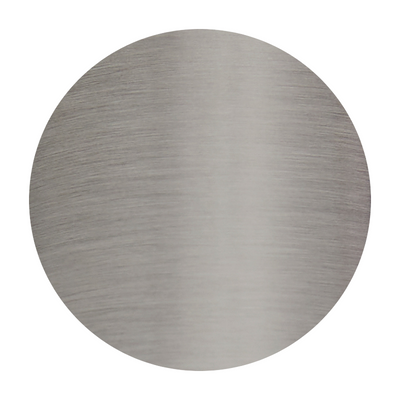 Brushed Nickel
 Champagne
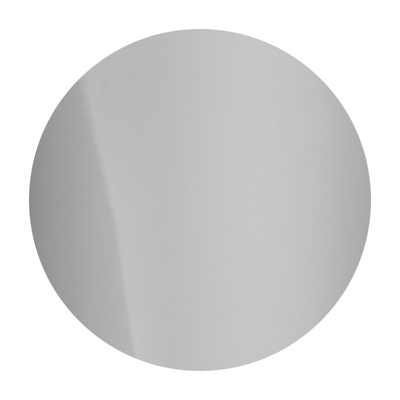 Chrome
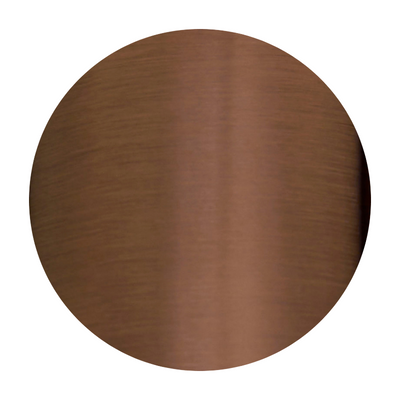 Copper
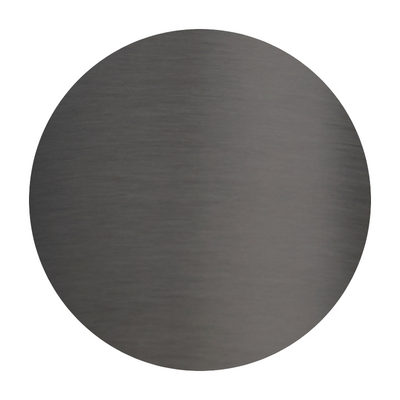 Gun Metal Grey
 Stainless Steel

Small Bathroom Design Ideas: A Practical Guide for Australian Homes
Standing in a 2x2m bathroom in a 70s brick veneer, or staring down a 2x3m ensuite in an apartment? Most "small bathroom" inspiration online won't help you. The rooms in the photos are bigger than yours, the fixtures aren't sized in millimetres, and nobody mentions the in-wall cistern cost or the waterproofing rule that just changed your tile order.
This guide is built for the bathroom you actually have. Layouts that work in real Australian footprints. Fixtures worth specifying when you order. Storage that doesn't shrink the room. Tiles and lighting that genuinely open things up. Honest cost ranges. And the compliance points that change what ends up in your cart.
Jump to section
Layouts that work in real Australian small bathrooms
Space-saving fixtures and what to actually specify
Storage that doesn't shrink the room
Tiles, grout and visual tricks that genuinely open up a small bathroom
Lighting, mirrors and warmth in a small bathroom
Ensuite and powder room variants
The Australian compliance points worth knowing before you order
What a small bathroom renovation costs in Australia
Styles that suit a small Australian bathroom
Frequently asked questions
Putting it all together
Layouts that work in real Australian small bathrooms
Get the layout wrong and no amount of beautiful tapware will save it.
Most Australian small bathrooms fall into two footprints. A 2x2m square (common in 60s/70s brick veneers and older ensuites), or a 2x3m rectangle (typical in apartments and newer builds). Layout decisions here matter more than fixture choices.
Single-wall (linear) layout
Best for narrow rooms 1.5 to 2m wide. Toilet, vanity and shower run along one long wall, leaving a clear walkway opposite. Plumbing is consolidated on one wall, which keeps costs down if you're planning a full renovation.
Three-wall layout for 2x2m squares
The classic small-square approach. Shower in one corner, vanity on the adjacent wall, toilet on the third. A 900x900mm corner shower frees the centre of the room and keeps sight lines open.
Galley layout for 2x3m
Door on the short wall, vanity and shower opposite each other, toilet tucked at the far end. Works well when you want a separate shower and a compact bath without crowding.

Wet room with a linear drain
Designer's note: Shower-over-bath saves square metres, but cleaning and regrouting around the bath rim is a long-term headache, and water tends to pool on the lip. For families in a 2x2m or 2x3m room, a wet-room layout with a slightly larger shower zone, proper waterproofing and a linear drain is often a cleaner compromise than the bath-shower combo.
Don't forget the door
The ABCB Livable Housing Design Standard 2022 sets a minimum clear opening width of 820mm for applicable internal doorways, usually achieved with an 870mm door leaf. In a small bathroom, swapping a hinged door for a cavity slider can buy back roughly 0.5 to 1m² of usable floor. That's significant in a 4m² room.
| Layout | Suits room | Fixtures along | Trade-off |
|---|---|---|---|
| Linear | 1.5 to 2m wide | One long wall | Needs length |
| Three-wall | 2x2m square | Three walls | Compact shower only |
| Galley | 2x3m | Two long walls | Door on short wall |
| Wet room | 2x2m or 2x3m | Flexible | No separate bath |
Space-saving fixtures and what to actually specify
This is where most guides get vague. Real space saving comes from knowing the millimetres.
Wall-hung vanities
For a 2x2m bathroom, a 600mm wall-hung vanity is the sweet spot. Standard depth runs around 550mm. Slimline options sit at 400 to 460mm, worth considering if your walkway is tight. That 100mm of depth is worth more than it sounds in a 2m-wide room, so it's worth checking the small vanities range before you default to a standard-depth unit.
Designer's note: The biggest win with a wall-hung vanity isn't the floor space saved by the cabinet. It's optical. The exposed floor underneath reflects light and makes the room read larger. The catch is in-wall plumbing adds cost and complexity. If the budget's tight, a slimline floor-mounted vanity paired with a large mirror gets you most of the way there. Avoid bulky pedestal basins that block sight lines.
Wall-hung vs close-coupled toilets
Pan projection (the distance the toilet sticks out from the wall) is the number that matters in a small bathroom. Current Reece product specs show compact wall-hung pans like the Roca Dama-N at 500mm, and the Roca The Gap and LAUFEN Palomba wall-hung options at 540mm. A standard Caroma Leda close-coupled suite sits at 680mm.
That's 140 to 180mm of floor reclaimed, which in a 2m-wide room is roughly 7 to 9% of the width. Wall-hung toilet pans need an in-wall cistern, which adds plumbing cost. Factor that into the budget early.
Shower screens
Frameless screens give the cleanest look, but in a small wet bathroom they show every water spot.
Designer's note: A semi-frameless screen with a slim metal frame on the outer edge keeps the open feel, lasts longer, and stays cleaner with a squeegee. The frame also adds rigidity, which matters in tight spaces where alignment can drift.
Compact baths and shower-over-bath
If a bath is non-negotiable, a 1500 to 1600mm compact freestanding tub or a 1500mm built-in suits most small bathrooms. Shower-over-bath works for resale and bathing kids, but accept the regrouting and the slightly compromised shower experience.
| Fixture | Standard | Compact option | Footprint reclaimed |
|---|---|---|---|
| Vanity | 750 to 900mm | 600mm wall-hung | 150 to 300mm width |
| Toilet pan projection | 680mm (Caroma Leda) | 500mm (Roca Dama-N) | 140 to 180mm depth |
| Shower | 1000x1000mm | 900x900mm corner | 0.19m² floor |
| Bath | 1700mm | 1500mm freestanding | 200mm length |
Storage that doesn't shrink the room
The instinct in a small bathroom is to add cabinets. The better instinct is to use the walls you already have.
A mirrored shaving cabinet does two jobs at once. It reflects light back into the room and stores everything you don't want on the vanity top. Recess it if the wall allows, surface mount it if not.
Designer's note: Niches in showers save space, but the usual mistake is placing them at shoulder height, which cuts through the tile pattern and looks awkward. Align the niche top and bottom with the grout lines of your tiles, or use a continuous trim to frame it deliberately. Better still, a full-width shampoo shelf running the length of one wall gives more storage and less visual clutter than scattered niches.
One thing to flag. Under NCC 2022 Part 10.2.2, shower-area walls must be waterproof to at least 1800mm above the floor substrate. Your niche has to sit within that waterproofed zone, and the membrane has to be detailed properly around it. Talk to your waterproofer before you commit to the niche position.
Other useful moves: a slim recessed cabinet above the toilet, vanity drawers planned around daily-use items only (everything else goes in the shaving cabinet or the linen press), and a single ledge above the vanity rather than open shelving that collects clutter.
Tiles, grout and visual tricks that genuinely open up a small bathroom
The conventional advice is "go light" and it's not wrong, but it misses the bigger lever.
Designer's note: Grout colour matters more than tile colour in a small bathroom. White tiles with matching white grout look seamless on day one, but the grout shows every speck of dirt within months. Off-white or pale grey grout hides staining far better and still avoids the harsh dark-grout contrast that visually chops the wall into a grid. This is the kind of detail that only shows up after a year of living with it.
Beyond that, a few things genuinely help:
- Large-format tiles (600x600mm or larger) cut down grout lines and make the surface read as one continuous plane.
- Vertical stack bond on a feature wall draws the eye up and makes the ceiling feel higher.
- Floor-to-ceiling tiling on at least the wet walls reads cleaner than a half-tiled wall with a paint band.
- A single large mirror above the vanity, ideally spanning the full vanity width, doubles the perceived depth of the room.
- Frameless or semi-frameless screens keep sight lines uninterrupted across the room.
You don't need all five. Pick two or three that suit the layout.
Lighting, mirrors and warmth in a small bathroom
Layered lighting beats a single ceiling downlight every time. Aim for three layers. Ambient (downlights or a central fitting), task (at the mirror), and accent (under-vanity LED strip or a niche light).
An LED mirror does ambient and task in one fitting, which is genuinely useful in a small bathroom where ceiling real estate is limited. Stick to 3000K to 4000K colour temperature to suit the light palette most small bathrooms use. Anything cooler reads clinical.
Heated towel rails and the IPX rule
If you're adding a heated towel rail, position matters for compliance. Per AS/NZS 3000 guidance (as set out in the ECA WA technical note), heated towel rails installed in bathroom Zone 1 or Zone 2 require a minimum degree of protection of IPX4 for domestic bathrooms, and IPX5 for communal bathrooms.
Check the IP rating on the product spec sheet before ordering. Plenty of imported rails don't meet IPX4, and a sparky who's worth their licence won't install one in zone.
Ensuite and powder room variants
Ensuites and powder rooms are small bathrooms with even tighter constraints.
A workable ensuite in roughly 3 to 4m² needs a 900x900mm corner shower, a 600mm wall-hung vanity (or a wall-hung basin if floor space is critical), and a compact wall-hung pan. A cavity slider on the entry door is close to non-negotiable. Ensuites tend to come with their own problems, usually a door that opens the wrong way and less wall than you'd like, so the ensuite vanities range is sized and configured around exactly that.
A powder room is simpler. Just a basin and a toilet. A 400mm wall-hung basin paired with a wall-hung pan at 500mm projection makes a usable powder room possible in around 1.2 x 1.5m. Pick tapware and a basin shape that suit the rest of the house, because the powder room is the bathroom your guests actually see.
The Australian compliance points worth knowing before you order
You don't need to memorise the NCC, but a handful of rules directly change what you buy.
- Waterproofing (NCC 2022 Part 10.2.2 and 10.2.4, AS 3740 for membranes). Shower walls must be waterproof to at least 1800mm above the floor substrate. Inserted bath or spa walls must be waterproof to at least 150mm above the lip. This sets the height of your tile order and where niches can sit.
- Floor falls and waterstops (NCC 2022 Part 10.2.12 and 10.2.18). Wet-area floors with a floor waste need a minimum continuous fall of 1:80 and a maximum of 1:50. Unenclosed showers need a waterstop at least 1500mm from the shower rose. This affects whether a wet-room layout is feasible in your footprint.
- WELS ratings. Tapware and toilets sold in Australia must carry a WELS star rating. Higher stars mean lower flow. Check the label before you order. Browse WELS-rated tapware that meets the requirement.
- Watermark certification. All plumbing fixtures connecting to the water supply need Watermark certification. Reputable Australian retailers won't sell anything that isn't.
- Electrical zones (AS/NZS 3000). Lighting, heated rails and shaver outlets near wet areas have minimum IP ratings depending on the zone. IPX4 minimum for heated rails in Zone 1 or 2 domestic.
None of this is optional. Your builder, plumber and sparky will know it, but knowing it yourself stops you ordering something that has to be sent back.
What a small bathroom renovation costs in Australia
Per Canstar's March 2025 article citing the most recent HIA figures, the average Australian bathroom renovation costs around $26,000, with the full range running from $8,000 to $35,000 or more.
Broken down by tier:
- Basic renovation: $8,000 to $15,000
- Standard renovation: $15,000 to $35,000
- Premium renovation: $35,000+
Small bathrooms typically land at the lower end of each tier (less tiling, fewer fixtures, smaller waterproofing area). They're not automatically cheap though. The room may be small, but the labour days, the waterproofing system and the plumbing connections don't scale down much.
Typical small bathroom cost breakdown (standard tier)
| Item | Share | Indicative cost |
|---|---|---|
| Demolition | 3 to 6% | $500 to $1,500 |
| Plumbing | 8 to 12% | $1,500 to $3,000 |
| Waterproofing | 5 to 8% | $1,000 to $2,500 |
| Tiling (supply + lay) | 15 to 20% | $2,000 to $5,000 |
| Fixtures and fittings | 20 to 35% | $4,000 to $10,000 |
| Labour (across trades) | 40 to 50% of total | varies |
Where the cost levers actually sit
- Keep the existing plumbing layout if you can. Moving a toilet or shower waste adds real money.
- Wall-hung fixtures look great but add in-wall plumbing cost. Budget for it, or stick with floor-mounted.
- Mid-range fixtures from reputable brands (vanities, tapware, toilets) usually beat the premium tier on value once you account for warranty and parts availability. Compare options across the mid-range vanities range.
- Feature tiles on one wall, basic tiles elsewhere, is the cheapest way to get a designed look.
Styles that suit a small Australian bathroom
A few palettes consistently work in small footprints.
- Modern Australian: Timber-look vanity, matte black tapware, off-white tiles, pale grey grout. Warm and resale-friendly.
- Japandi: Stone-look porcelain, warm timber accents, brushed brass or warm chrome. Minimal but not cold.
- Coastal: Soft whites, light timber, brushed nickel or chrome. Suits north-facing apartments well.
The pattern across all three. Restrained palette, two materials maximum on the walls and floor, and one accent finish (the tapware) carried through. Small bathrooms read larger when there's less to look at.
Frequently asked questions
Bath or shower in a small bathroom?
If it's the only bathroom and you have or plan to have kids, keep a bath. A 1500mm shower-over-bath is the standard compromise. If it's a second bathroom or ensuite, a generous walk-in shower with a linear drain is usually a better use of the floor.
What tile colour and grout works best?
Light tiles (white, off-white, pale stone, soft grey) expand the room visually. The bigger decision is grout. Pale grey or off-white hides staining far better than stark white, and avoids the harsh contrast of dark grout that visually chops the wall.
How much does a small bathroom reno cost in Australia?
Per HIA via Canstar (March 2025), the Australian average is around $26,000, with a full range of $8,000 to $35,000+. Small bathrooms typically sit at the lower end of each tier. Wall-hung fixtures add in-wall plumbing cost worth budgeting for.
Are wall-hung toilets worth it in small bathrooms?
Often yes. A compact wall-hung pan at 500mm projection reclaims around 140 to 180mm versus a standard close-coupled suite at 680mm. The exposed floor underneath also makes the room read larger. The trade-off is the in-wall cistern cost.
Minimum size for a usable small bathroom or ensuite?
A workable three-piece bathroom (shower, vanity, toilet) fits in roughly 2x2m. A workable ensuite fits in around 3 to 4m² using a 900x900mm corner shower, a 600mm vanity and a compact pan. A powder room can work in 1.2x1.5m.
Do I need council approval for a bathroom renovation?
Like-for-like renovations (no structural changes, no new wet areas) usually don't need council approval, but waterproofing must still comply with NCC 2022 Part 10.2 and AS 3740. Adding a new bathroom or moving structural walls generally does need approval. Check with your local council.
How do I stop mould in a small bathroom?
Three things. A working exhaust fan vented outside (not into the roof cavity), grout sealed annually, and surfaces wiped down after showers. Pale grey grout shows mould later than white. For more on heated rails that help with drying, see our heated towel rail guide.
Putting it all together
Get the layout right first. Size the fixtures to the room in millimetres rather than guessing. Check the compliance points before you order. Keep the palette restrained. That's the playbook. When you're ready to start specifying,browse the full vanity range or get in touch if you want a hand matching products to your layout.
Last updated: November 2025. Written by the Blueleaf Bath team.
References
- NCC 2022 Part 10.2 Wet Area Waterproofing (ABCB)
- Installation of Heated Towel Rails (ECA WA)
- Livable Housing Design Standard 2022 v1.3 (ABCB)