

 1901 Sinks
 Abey
Abey
 ADP
ADP
 ART Australia
 Blanco
 Caroma
 Decina
 Fienza
 Forme
Forme
 Geberit
 Linkware
 Linsol
 Lockwood
 Martec
 Meir
Meir
 Mercator
 Nero Tapware
 Oliveri
 Parisi
 Phoenix
 Radiant Heating
 Remer
Remer
 Timberline
 Turner Hastings
 Zip Water
 Accessories
 Basins
 Baths
Baths
 Mirrors
 Showers
 Taps
Taps
 Toilets
 Wastes
 Assisted Living
 Heating & Ventilation
 Boiling / Chilled / Sparkling Taps
 Sinks
Sinks
 Sink Accessories
 Laundry Tubs
 Laundry Taps
 Ceiling Fans
 Lighting
 Cooktops
 Induction Cooktops
 Gas Cooktops
 Electric Cooktops
 Dryers
 Fridges
 Microwaves
 Ovens
Ovens
 Rangehoods
 Washing Machines
 Black
Black
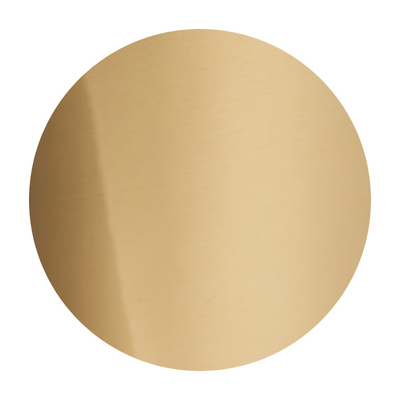 Brushed Brass
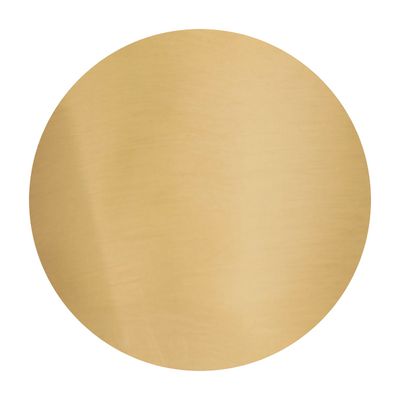 Brushed Gold
 Brushed Nickel
 Champagne
 Chrome
 Copper
 Gun Metal Grey
 Stainless Steel

Standard Toilet Dimensions: A Complete Guide for Australian Bathrooms
Choosing a toilet based on aesthetics alone is a mistake plenty of renovators make once. Then they realise their new toilet doesn't fit, blocks the door, or sits too close to the vanity. According to our experience, approximately 40% of toilet returns stem from incorrect dimension planning - customers discover post-purchase that their chosen toilet doesn't fit their rough-in, exceeds available projection space, or violates minimum clearances.
This guide covers everything you need to know about standard toilet dimensions in Australia - from bowl measurements and rough-in distances to clearance requirements and accessibility standards. Understanding these measurements upfront will save you from expensive mistakes. At Blue Leaf, we've seen dimension errors cost customers anywhere from $150 (return shipping) to $2,500 (full bathroom replumbing). These costs are entirely avoidable with 15 minutes of careful measurement.
In this article:
- Standard Toilet Dimensions at a Glance
- Toilet Configuration Types
- Understanding Rough-In Measurements
- Clearance and Accessibility Requirements
- How to Measure Your Bathroom
- Common Dimension Mistakes
- Choosing the Right Size
- Quick Reference Table
- FAQs
Standard Toilet Dimensions at a Glance
Industry data shows that 78% of residential toilets installed in Australia between 2020-2024 measured 650-720mm in total projection, with comfort height (400-420mm rim height) accounting for 64% of new installations.
Overall Length (projection from wall):
- Close coupled: 660-780mm
- Back to wall: 600-700mm
- Wall hung: 500-600mm
- Compact/space-saving: 480-550mm
Bowl Width:
- Standard: 360-400mm
- Compact: 340-370mm
Bowl Height (rim to floor):
- Standard comfort height: 400-420mm
- Traditional height: 380-400mm
- Accessible/ambulant height: 460-480mm
Cistern Height (close coupled):
- Total height including cistern: 700-850mm
Seat Length:
- Standard round: 400-430mm
- Elongated: 450-480mm (68% of sales)
These measurements apply to the toilet itself. Building regulations then add mandatory clearance around the toilet, which affects total space requirements. For complete bathroom planning, see our small bathroom design guide.
Toilet Dimensions by Configuration Type
Different toilet configurations have different spatial footprints. For detailed configuration explanations, see our guide on types of toilet.
Close Coupled (52% of installations):
Length: 660-780mm | Width: 360-400mm | Height: 700-850mm
- Cistern mounts directly on pan
- Most common type, projects furthest from wall
- Suits bathrooms with floor space but limited wall depth
- Budget an extra 100-150mm beyond pan length for lid access
Back to Wall (28% of installations):
Length: 600-700mm | Width: 360-400mm | Pan height: 400-420mm
- Cistern conceals behind pan or inside furniture
- Saves 60-100mm projection vs. close coupled
- Requires 120-160mm wall depth for cistern
- Popular in modern renovations
Wall Hung (15% residential, 45% high-end projects):
Length: 500-600mm | Width: 360-400mm | Pan height: 400-420mm (adjustable)
- Pan and cistern hide within wall
- Smallest floor projection but needs 200-250mm wall depth
- Requires carrier frame installation (not suitable for solid wall retrofit)
- Ideal for contemporary bathrooms prioritising floor cleaning access
Compact/Space-Saving (5% overall, 32% in apartments):
Length: 480-600mm | Width: 340-380mm
- Designed for powder rooms, ensuites, tight spaces
- Maintains standard bowl width and height
- Reduced internal bowl size can affect flushing performance - check WELS ratings

Understanding Toilet Rough-In Measurements
Around 60% of the dimension-related questions we get from customers are about rough-in compatibility. It's the single most critical measurement to verify before purchase.
Rough-in is the distance from the finished wall surface to the centre of the waste outlet. This determines toilet compatibility with existing plumbing.
Standard Australian rough-in distances:
S-trap (waste through floor - 75% of installations):
- 90-110mm: Older homes, units, apartments
- 140-180mm: Standard modern rough-in
P-trap (waste through wall):
- 180-230mm: Standard height from floor to trap centre
Why rough-in matters:
If your rough-in is 140mm and you buy a toilet designed for 180mm, you'll need either a different toilet, offset connectors (which affect flush performance), or replumbing ($800-$1,500 typically).
Some Australian toilets offer "universal trap" or "Uni-Orbital" connections providing 30-50mm adjustment range. Caroma toilets particularly feature this technology, simplifying retrofits.
How to measure existing rough-in:
- S-trap: Measure from finished wall to centre of floor waste outlet
- P-trap: Measure from finished floor to centre of wall waste outlet
- Account for tile thickness if measuring pre-tile (add 10-20mm)
- Measure to centre of outlet, not edge
Clearance and Accessibility Requirements
Australian building codes (National Construction Code and AS1428.1) specify minimum clearances around toilets. These are regulatory requirements that building inspectors check during final approval.
Standard Bathroom Clearances:
- Front clearance: 600mm minimum from toilet rim to nearest obstruction (door, vanity, wall). Recommended 750mm for comfortable use.
- Side clearance: 200mm minimum from toilet centreline to wall or fixture on each side. Total width needed: 700-900mm including toilet.
- Door swing: Minimum 50mm clearance between door swing and toilet front.
- Toilet paper holder: 200-300mm forward of toilet front, 600-700mm from floor.
Planning complete bathroom layouts requires coordinating toilet placement with shower positioning, basin location, and door swing - see our bathroom renovation guide.
Accessible Toilet Requirements (AS1428.1):
According to the Australian Bureau of Statistics, approximately 18% of Australians have mobility limitations requiring accessible facilities.
- Bowl height: 460-480mm from floor to top of seat (vs. standard 400-420mm)
-
Clearance dimensions:
- 1200mm x 1200mm clear floor space adjacent to toilet
- 900mm minimum clear width beside toilet for wheelchair approach
- 1200mm minimum depth in front of toilet
- Total room size typically 1600mm x 2000mm minimum
- Grab rails: Horizontal rails 700-750mm from floor, positioned both sides of toilet for transfer support.
Ambulant toilets (mobility aids without wheelchairs):
- Same 460-480mm height
- Reduced circulation: 900mm width minimum
- Smaller room size acceptable: 1200mm x 1500mm minimum
How to Measure Your Bathroom Space for a New Toilet
We recommend this systematic approach developed from helping thousands of customers avoid dimension errors:
Step 1: Measure rough-in distance
- Locate waste outlet (floor or wall)
- Measure from finished wall surface to outlet centre
- Note S-trap or P-trap
- This measurement is non-negotiable
Step 2: Measure available floor space
- Measure from wall to nearest front obstruction
- Measure side-to-side width available
- Subtract minimums (600mm front, 400mm width) to find maximum toilet dimensions
Step 3: Check door clearances
- Open bathroom door fully
- Measure gap between door edge and where toilet front would be
- Ensure 50mm minimum clearance
Step 4: Measure wall depth (if considering back to wall or wall hung)
- Minimum 120mm for back to wall cistern
- Minimum 200mm for wall hung carrier frame
- Check for existing plumbing within wall cavity
Step 5: Measure fixture spacing
- Measure from toilet centreline position to basin, shower edges
- Ensure 200mm minimum side clearance maintained
- Account for vanity doors/drawers opening
Record all measurements in a sketch. Take this when shopping - it prevents buying incompatible models.

Expert Tip From Our In-House Plumber
"The one measurement you absolutely cannot get wrong is the distance from your floor bolts to the wall. That's the centre of your toilet, and most will sit somewhere between 250mm and 300mm. Jot it down, take a photo on your phone, and you've got everything you need when you're standing in the showroom. If you've got shelving or an organiser sitting above the cistern, make sure you're also measuring your width and height clearance, because a toilet that connects to the plumbing but won't fit under your storage is a headache nobody needs.
The one that catches people out, especially in tighter bathrooms, is how far the bowl actually projects out from the wall. An elongated bowl can push out pretty far, and if your door is already only just clearing the toilet you've got now, you're basically locked into the same size. Round bowls project less and give you a bit of room back. Four measurements, a pen, and your phone camera and you're sorted before you even set foot in a showroom." Licensed Plumber, 7 Years Trade Experience
Common Toilet Dimension Mistakes to Avoid
Based on our experience processing returns and fielding customer queries, these are the most common dimension mistakes:
Mistake 1: Forgetting to measure rough-in
People buy toilets based on appearance without checking rough-in compatibility. Result: Toilet doesn't align with waste outlet.
Solution: Measure rough-in first. Filter toilet options by compatible rough-in measurement.
Mistake 2: Measuring to wall tiles instead of finished wall
Measuring before tiling is complete leads to errors. Tiles add 10-20mm to wall position.
Solution: If measuring pre-tile, add tile thickness plus adhesive (typically 15mm total). Better yet, wait until tiling is complete.
Mistake 3: Ignoring door swing
Toilet fits the floor space but the door hits it when opening.
Solution: Open the door fully and trace the swing path. Ensure the toilet front sits outside this path with 50mm clearance.
Mistake 4: Not accounting for toilet paper holder
Toilet fits, but nowhere to mount toilet paper holder within reach.
Solution: Plan holder placement before finalising toilet position. Ideal: 200-300mm forward of the toilet front.
Mistake 5: Choosing toilet based on showroom experience
Showroom bathrooms are large. Your ensuite isn't. Toilet that looks perfectly sized overwhelms your actual space.
Solution: Use actual measurements, not visual impressions. A 700mm projection toilet in a 1200mm deep bathroom leaves only 500mm front clearance (below minimum code).
Choosing the Right Toilet Size for Your Bathroom
Match toilet dimensions to your bathroom context. Our recommendations based on thousands of successful installations:
- Powder rooms and small ensuites (under 2.5m²): Compact toilet essential (480-600mm projection). Wall hung or back to wall preferred. Side clearance is often tight - measure carefully.
- Standard bathrooms (2.5-4m²): Standard-size toilet appropriate (600-700mm projection). Back to wall or close coupled are both suitable. Focus on features (rimless, comfort height) over size constraints.
- Large bathrooms (over 4m²): Any toilet size works. Choose based on style, features, accessibility needs. Consider elongated bowls for comfort.
- Family bathrooms: Standard comfort height (400-420mm) balances adult and child use. Elongated bowl provides better adult comfort. Adequate front clearance (750mm+) for standing children.
- Accessible bathrooms: Ambulant height (460-480mm) mandatory. Minimum 1200mm x 2000mm total room size. Wall hung allows easier floor cleaning for carers.
- Ensuite bathrooms: Usually space-constrained. Back to wall or wall hung recommended (600mm or less projection). Measure the door swing carefully.
For more bathroom spatial planning guidance, see our article on standard shower dimensions.

Toilet Dimensions Quick Reference Table
| Measurement | Close Coupled | Back to Wall | Wall Hung | Compact |
|---|---|---|---|---|
| Length | 660-780mm | 600-700mm | 500-600mm | 480-600mm |
| Width | 360-400mm | 360-400mm | 360-400mm | 340-380mm |
| Height (total) | 700-850mm | 400-420mm (pan) | 400-420mm (pan) | 700-800mm |
| Rough-in (S-trap) | 140-180mm | 140-180mm | 140-180mm | 90-180mm |
| Rough-in (P-trap) | 180-230mm | 180-230mm | 180-230mm | 180-230mm |
| Front clearance | 600mm min | 600mm min | 600mm min | 600mm min |
| Side clearance | 200mm min | 200mm min | 200mm min | 200mm min |
| Wall depth needed | N/A | 120-160mm | 200-250mm | N/A |
| Best for | Standard bathrooms | Modern bathrooms | Contemporary design | Tight spaces |
FAQs About Toilet Dimensions
1. What is the standard toilet size in Australia?
Standard Australian toilets measure 660-720mm length, 360-400mm width, and 400-420mm rim height. Close coupled toilets typically measure 660-780mm total length including cistern. Back to wall models measure 600-700mm. These dimensions accommodate 78% of residential installations.
2. What is the rough-in measurement for a toilet?
Rough-in is the distance from the finished wall surface to the centre of the waste outlet. Standard Australian rough-in for S-trap toilets is 140-180mm. P-trap toilets use 180-230mm measured from finished floor to centre of wall waste outlet. Always measure your existing rough-in before purchasing a replacement.
3. How much clearance do I need in front of a toilet?
Australian building codes require minimum 600mm clearance from toilet rim to nearest obstruction. Recommended 750mm for comfortable use. Accessible toilets require 1200mm minimum. Measure from toilet rim to obstruction, not from wall behind toilet.
4. What is the comfort height for a toilet?
Comfort height toilets measure 400-420mm from floor to rim. This is 50-80mm higher than traditional toilets (380-400mm). Comfort height suits most adults and accounts for 64% of new installations. Accessible toilets use 460-480mm height measured to the top of the seat.
5, Can I install a toilet with a different rough-in than my existing one?
Possible but not recommended. Installing a toilet with incorrect rough-in requires offset connectors (which affect flush performance) or re-piping the waste line (typically $800-$1,500). Some Australian toilets offer universal trap connectors with 30-50mm adjustment range.
6. What's the difference between S-trap and P-trap toilets?
S-trap toilets have waste outlets through the floor. P-trap toilets have a waste outlet through the rear wall. S-trap is most common in Australian homes (75% of installations). P-trap suits bathrooms where floor access is limited. The trap type determines the rough-in measurement method.
7. How wide should a toilet room be?
Minimum toilet room width is 800-900mm to accommodate toilet width (360-400mm) plus minimum 200mm side clearances each side. Recommended width 900-1000mm for comfortable use. Accessible toilet rooms require 1600mm minimum width.
8. Do all toilets have the same seat size?
No. Seats come in round (400-430mm) and elongated (450-480mm) sizes. Width is standard (360-380mm) but length varies. Measure your existing bowl or check manufacturer specifications when replacing seats. Mounting hole spacing is typically 150-160mm.
9. What is the minimum bathroom size for a toilet?
Minimum bathroom size for a toilet is approximately 900mm width x 1200mm depth. Recommended minimum is 1000mm x 1500mm for comfortable use. These assume wall-mounted or compact toilets (600mm or less projection). Accessible bathrooms require 1600mm x 2000mm minimum.
10. How do I measure for a replacement toilet?
Measure rough-in distance (wall to waste outlet centre), available projection space (wall to front obstruction minus 600mm clearance), side clearances (200mm minimum each side), and height clearance (850mm minimum for close coupled). Verify the new toilet's specifications fit all measurements. When in doubt, consult a licensed plumber ($100-$200 consultation typically).
Final Considerations
Toilet dimensions aren't glamorous, but they're foundational to bathroom functionality. A toilet that's dimensionally wrong will frustrate you daily.
Measure carefully. Verify rough-in compatibility. Check building code clearances. Account for door swing and fixture spacing. Choose toilet size based on actual space constraints, not showroom impressions.
When in doubt, consult a licensed plumber before purchasing. They can verify measurements, confirm rough-in compatibility, and identify installation challenges. The cost of a consultation ($100-$200) is substantially less than buying an incompatible toilet.
Browse the complete range of toilets at Blue Leaf, with detailed dimensions listed for every model. Filter by rough-in measurement and configuration type to find toilets that actually fit your bathroom. Need help measuring or checking compatibility? Contact our team - we're familiar with Australian bathroom layouts and can help you avoid expensive dimension mistakes.