

 Accessories
 Basins
 Baths
Baths
 Mirrors
 Showers
 Taps
Taps
 Toilets
 Wastes
 Boiling / Chilled / Sparkling Taps
 Sinks
Sinks
 Freestanding Vanities
 Wall Hung Vanities
 Shaving Cabinets
 Cabinet Handles
 Black
Black
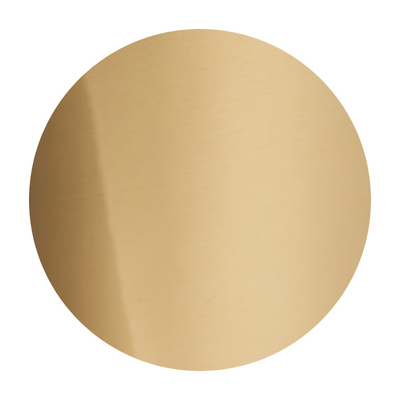 Brushed Brass
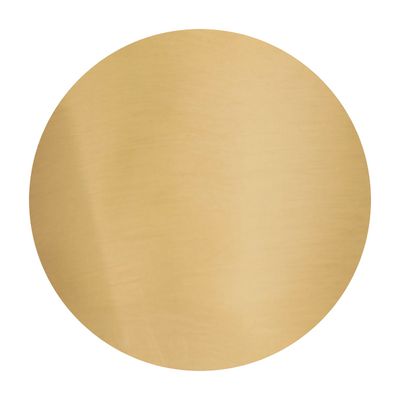 Brushed Gold
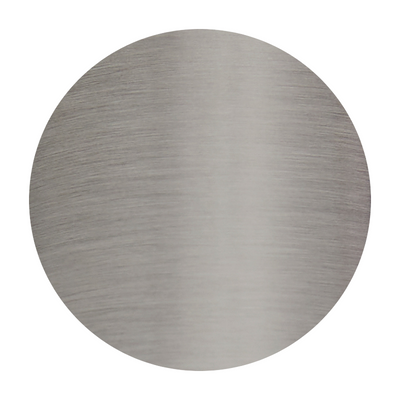 Brushed Nickel
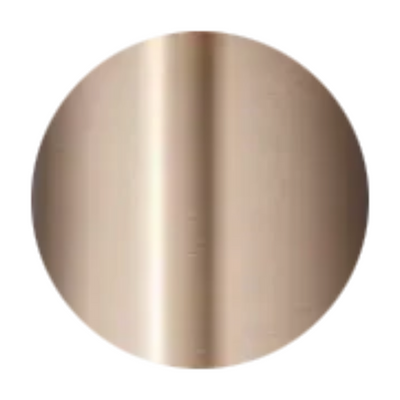 Champagne
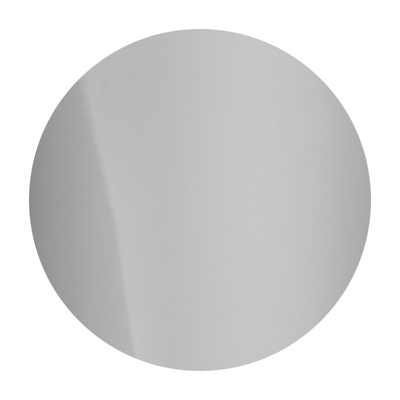 Chrome
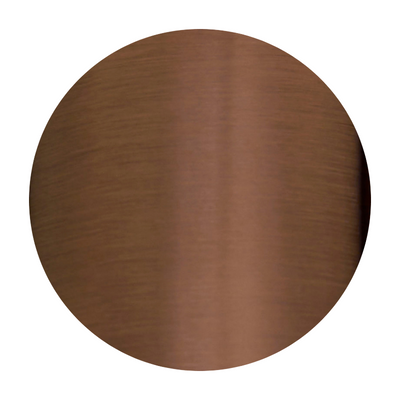 Copper
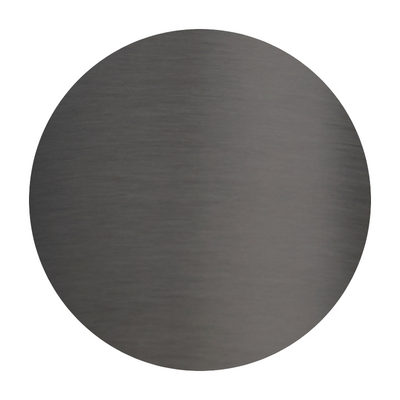 Gun Metal Grey
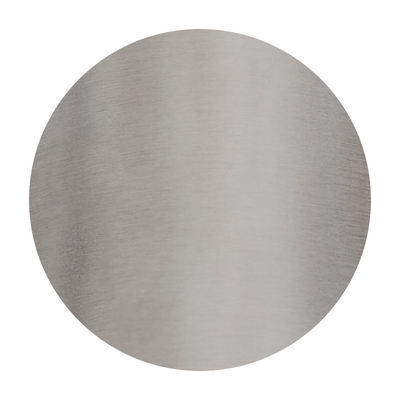 Stainless Steel
Bathtubs
Explore our variety of styles and sizes to create your personal sanctuary. Choose from freestanding elegance to modern built-in models.
There are no products matching your search
View all productsHere's a mistake we see all the time: someone walks into our showroom, spots a gorgeous freestanding bath that looks incredible, orders it on the spot, and then discovers their bathroom floor can't handle the weight, or there's nowhere to put the taps, or it won't actually fit through the doorway. Buying a modern bathtub isn't like picking furniture, these things weigh 200-400kg when filled, need proper plumbing, and become permanent fixtures you'll live with for 10-15 years minimum. At Blueleaf Bath, we've helped thousands of Australians navigate bathtub decisions, and the smart ones always start with their bathroom's actual dimensions and structural capacity before falling in love with a particular style.
Bathtub Styles We Stock
Freestanding bath designs that become bathroom centrepieces. Built-in options that maximize usable floor space. Corner configurations that turn awkward bathroom angles into relaxation zones. Back-to-wall models that create clean contemporary lines. And spa baths with jets if you're after hydrotherapy at home. Material-wise, most Australian bathtubs use acrylic because it's lightweight, holds heat well, and costs less than alternatives. Stone composite and pressed metal deliver that luxury aesthetic but need stronger floor support and deeper pockets. Finish options have expanded heaps, gloss white still dominates, but matte white, matte black, and even coloured bathtubs are becoming genuinely popular in designer bathrooms.
Sizing Up Your Space
The standard bathtub size in Australia sits around 1500-1700mm length, which suits most average bathrooms comfortably. But that "standard" only works if your bathroom actually has standard proportions. We've lost count of how many people buy a 1700mm tub only to realize their bathroom recess is 1650mm, or they've got a 1500mm space but they're 185cm tall and won't fit properly. Industry research from the Housing Industry Association shows that incorrect bathtub sizing accounts for roughly 25% of bathroom renovation delays and returns, measuring twice really does save you ordering twice.
Size and style considerations
- Available floor space: Freestanding bathtubs need 150-200mm clearance all around for cleaning and visual breathing room; built-in baths fit tighter spaces
- User height and comfort: If you're over 180cm, seriously consider 1700mm+ bathtub length; shorter options leave tall people with knees sticking up uncomfortably
- Bathroom door width: Luxury bathtubs often won't fit through standard 820mm doorways, especially round bathtub designs; check delivery access before ordering
- Floor load capacity: A filled acrylic bath weighs 250-350kg; stone baths can hit 500kg+; timber or upper-floor bathrooms may need structural assessment
- Tap configuration: Freestanding baths usually need floor-mounted or wall-mounted bath taps; built-in options work with standard deck-mounted taps
- Shape practicality: Oval bathtubs look stunning but offer less shoulder room than rectangular; slipper baths elevate one end but can be awkward for bathing kids
What Actually Matters When You Buy a Bathtub
Beyond aesthetics, your bathtub needs to function properly for years. Australian plumbing standards (AS/NZS 3500) require proper overflow systems and waste configurations, so whatever you buy needs to comply. A plumber we work with regularly says "the fanciest imported bath means nothing if the waste outlet doesn't line up with Australian rough-in standards, I've seen$3000 - $4000 bathtubs sitting in garages because nobody checked before ordering." Material quality matters too. Cheap acrylic flexes underfoot and cracks within a few years. Quality acrylic bathtubs use 5-8mm thickness with proper reinforcement, they feel solid when you stand in them. If you're doing a complete bathroom renovation, coordinate your bathtub installation with your vanity and shower work to minimize tradie visits and keep the project on schedule.
Style Breakdown
Can't decide which bathtub type suits your bathroom best? Here's the practical comparison:
| Style | Space Needed | Visual Impact | Installation | Best For | Price |
|---|---|---|---|---|---|
| Freestanding | High (needs clearance) | Statement piece | Complex (floor/wall taps) | Master bathrooms, design-focused spaces | $$$-$$$$ |
| Built-in/Inset | Efficient | Clean, integrated | Moderate | Family bathrooms, standard layouts | $$-$$$ |
| Corner | Space-saving | Luxurious | Moderate | Small bathrooms, awkward corners | $$-$$$ |
| Back-to-wall | Compact | Contemporary | Simple | Modern bathrooms, renovations | $$-$$$ |
| Spa/Whirlpool | Varies | Luxury feature | Complex (electrical + plumbing) | Relaxation-focused, larger bathrooms | $$$-$$$$ |
According to recent building industry data, freestanding bathtub installations in new Australian homes increased 55% between 2019 and 2024, with the trend strongest in homes valued above $750,000. Architects attribute this to open-plan bathroom designs where the bath becomes a sculptural element rather than purely functional fixture, though they caution that freestanding baths aren't practical for every bathroom type or budget level.
Why We're Worth Considering for Bathtubs
Blueleaf Bath is a specialist bathroom retailer and supplier that's built its business on honest advice and quality products. Here's what we bring:
- Comprehensive bathtub range: From budget-friendly acrylic built-ins through to premium stone composite freestanding pieces across all major styles
- Quality brands: We stock Caroma, Decina, Fienza, and other brands Australian plumbers trust for reliability
- Material variety: Acrylic, stone composite, pressed metal, and specialty finishes to match different bathroom aesthetics and budgets
- Size selection: Compact 1200-1400mm options for small bathrooms through to luxury 1800mm+ models for spacious master ensuites
- Australia-wide delivery: Reliable freight with proper packaging to protect bathtubs during transit
- Sensible returns: 30-day policy gives you confidence when buying bathroom fixtures online
- Knowledgeable team: We understand floor loading, plumbing configurations, and installation requirements, we can help you avoid expensive mistakes
- Complete bathroom solutions – Coordinate your bathtub with matching wastes, accessories, and tapware
FAQs
1. What's the actual difference between acrylic and stone bathtubs?
Acrylic is lightweight (easier installation, less floor stress), retains heat reasonably well, and costs less. Stone composite feels more substantial, holds heat longer, looks more luxurious, but weighs significantly more and costs 2-3x as much.
2. How do I know if my floor can support a freestanding bathtub?
Standard timber floors usually handle acrylic freestanding baths fine. Stone baths or upper-floor installations may need structural assessment by a builder or engineer. When filled with water and a person, you're looking at a 300-500kg concentrated load.
3. Can I install a freestanding bath where a built-in used to be?
Yes, but you'll need to relocate or conceal the existing plumbing since freestanding baths typically use floor-mounted or wall-mounted taps. Budget for additional plumbing work and potentially patching floor tiles or boards.
4. What bathtub length do I actually need?
For adults under 170cm, 1500mm works adequately. 170-185cm height needs 1600-1700mm for comfort. Over 185cm? Look at the 1700mm minimum or you'll be cramped. Lie down and measure yourself, seriously.
5. Are luxury bathtubs worth the extra cost?
Depends what you value. Premium stone composite bathtubs hold heat better, feel more substantial, and look incredible, but they don't make you cleaner than a quality acrylic model. If your bathroom's a daily-use workhorse, invest in reliability over luxury.
6. Do tiled bathtubs still make sense?
They're less common now because modern acrylic and stone options look better and install faster. Tiled bathtubs work if you're after custom sizing or ultra-specific aesthetics, but expect higher cost and longer installation time.
7. How long should a quality bathtub last?
A decent acrylic bathtub should give you 15-20 years with normal use. Stone composite can last 25+ years. Cheap acrylic starts looking tired after 5-7 years, scratches, yellowing, flexibility issues. You get what you pay for.
Ready to find your perfect bathtub? Browse our complete range and upgrade your bathroom with a bath that actually fits your space, budget, and lifestyle.
Sort by