

 1901 Sinks
 Abey
Abey
 ADP
ADP
 ART Australia
 Blanco
 Brilliant Lighting
 Caroma
 Decina
 Fienza
 Forme
Forme
 Geberit
 Linkware
 Linsol
 Lockwood
 Martec
 Meir
Meir
 Mercator
 Nero Tapware
 Oliveri
 Parisi
 Phoenix
 Radiant Heating
 Remer
Remer
 Timberline
 Turner Hastings
 Zip Water
 Accessories
 Basins
 Baths
Baths
 Mirrors
 Showers
 Taps
Taps
 Toilets
 Wastes
 Assisted Living
 Heating & Ventilation
 Boiling / Chilled / Sparkling Taps
 Sinks
Sinks
 Sink Taps
 Sink Accessories
 Laundry Tubs
 Laundry Taps
 Ceiling Fans
 Lighting
 Electrical
 Freestanding Vanities
 Wall Hung Vanities
 Shaving Cabinets
 Cabinet Handles
 Australian Made
 Cooktops
 Induction Cooktops
 Gas Cooktops
 Electric Cooktops
 Dryers
 Fridges
 Microwaves
 Ovens
Ovens
 Rangehoods
 Washing Machines
 Black
Black
 Brushed Brass
 Brushed Gold
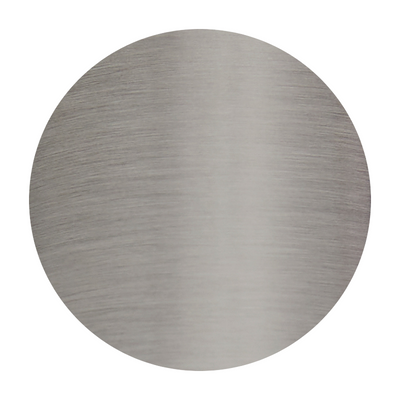 Brushed Nickel
 Champagne
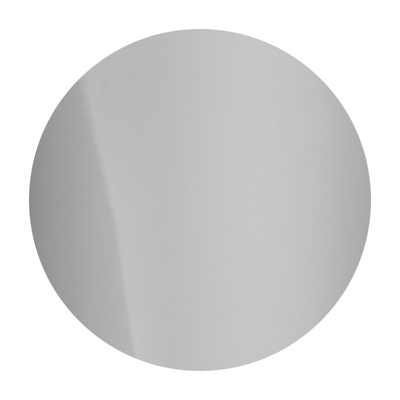 Chrome
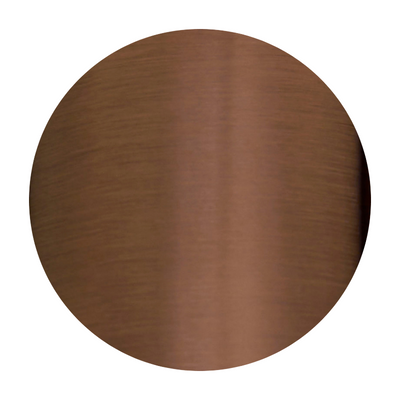 Copper
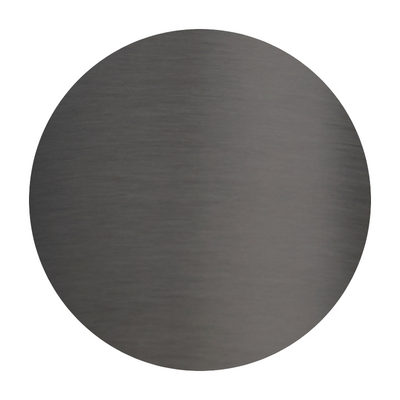 Gun Metal Grey
 Stainless Steel

Standard Bathroom Vanity Dimensions in Australia: Heights, Widths and Depths
Standard bathroom vanities in Australia run 600–1800mm wide, 460–550mm deep, and 850–900mm tall when floor-mounted. Wall-hung units adjust between 800–900mm, and accessible vanities meeting AS 1428.1 and the Premises Standards sit at 800–830mm rim height. This guide pulls every dimension into one reference, alongside the Australian Standards, NCC 2022 and HIA Livable Bathrooms context that decides which number you actually need. Written for renovators, replacers, tradies and designers who want to measure once and order right.
Jump to section
- Australian vanity dimensions at a glance
- Standard vanity widths (600mm to 1800mm)
- Vanity depth: how far the bench should project
- Vanity height: standard, wall-hung and accessible
- Wall-hung, floor-mounted or freestanding
- Choosing a size by room type
- How to measure for a new vanity
- When to consider a custom-sized vanity
- Frequently asked questions
- Ready to choose a vanity?
Australian Vanity Dimensions at a Glance
| Width | Typical depth | Floor-mounted height | Wall-hung height range | Best suited to |
|---|---|---|---|---|
| 600mm | 460–500mm | 850–900mm | 800–900mm | Powder rooms, compact ensuites |
| 750mm | 460–500mm | 850–900mm | 800–900mm | Small main bathrooms |
| 900mm | 480–550mm | 850–900mm | 800–900mm | Most main bathrooms |
| 1200mm | 500–550mm | 850–900mm | 800–900mm | Large single or compact double |
| 1500mm | 500–550mm | 850–900mm | 800–900mm | Double basin, family bathrooms |
| 1800mm | 500–550mm | 850–900mm | 800–900mm | Master ensuites, double basin |
These widths match what Reece publishes for its Posh Domaine Conventional range, which lists 600, 750, 900, 1200, 1500 and 1800mm widths at 500mm depth and 900mm height. Argent's Centra 1 wall-mounted vanity uses an 850mm set-out as the starting point during install. Once you've locked in the width that suits your space, you can browse vanities by size.
Standard Vanity Widths (600mm to 1800mm)
Width is where most people start because it has to fit the wall. Here's what each standard size actually suits.
600mm
The smallest mainstream size. Works in powder rooms, small ensuites and second bathrooms where space is tight but you still want a full basin. Pair it with a slim-depth top if the room is narrow.
750mm
A common upgrade from 600mm when there's a bit more wall to play with. Suits small main bathrooms and gives you more benchtop either side of the basin.
900mm
The most common main bathroom width in Australia. It balances usable bench space with a single basin and fits the majority of standard layouts.
1200mm
The threshold size. A 1200mm vanity can carry a single offset basin with generous bench, or a tight twin-basin setup. Most buyers at this width stay single basin and use the extra room for storage. This is also where freestanding vanity options start to look right in larger rooms, where the unit becomes a design feature rather than just storage.
1500mm and 1800mm
Double basin territory. 1500mm is the practical minimum for two comfortable basins side by side. 1800mm gives proper separation and is the standard for master ensuites.
Vanity Depth: How Far the Bench Should Project
Depth is the dimension competitors skip, and it's the one that ruins layouts. Standard Australian vanity depth runs 460–550mm, with most mainstream ranges sitting at 500mm.
Slimline depth (under 460mm) suits powder rooms, narrow ensuites and any space where circulation is tight. Expect a smaller basin and minimal bench either side.
Standard depth (460–500mm) is the workhorse. It accommodates most drop-in and semi-recessed basins without crowding the user.
Deep depth (520–550mm) suits larger bathrooms and is needed when the basin itself is deep or has a wide rim. Deeper basins demand deeper benchtops to avoid splash and to give the tap room to sit back from the front edge.
Whichever depth you pick, leave clearance in front. HIA's Livable Bathrooms drawing requires a 900mm wide × 1200mm long circulation space within the bathroom, and warns explicitly that vanity units must not encroach on it. When you're working out basin depth and overhang against the benchtop, measure from the wall to the front of the basin rim, not the cabinet face.

Vanity Height: Standard, Wall-Hung and Accessible Options
The single most common question we get. There isn't one answer because there are three cases.
| Scenario | Height | Source |
|---|---|---|
| Floor-mounted standard | 850–900mm | Beaumont Tiles, Reece Posh (900mm) |
| Wall-hung (adjustable) | 800–900mm | Argent Centra 1 (850mm set-out) |
| Accessible (AS 1428.1) | 800–830mm rim | Premises Standards F3.5 |
Floor-mounted: 850–900mm
This is the Australian default. Beaumont Tiles confirms the standard range at 850–900mm, and Reece's Posh Domaine specifies 900mm finished height including the top. Taller households often go closer to 900mm or above for comfort. Once the cabinet's on the floor, the height is fixed. Commit before you order.
Wall-hung: 800–900mm adjustable
Wall-hung vanities are set during installation. Argent's Centra 1 instructions use an 850mm set-out as the reference and instruct the installer to lift the unit to the required height. Important caveat. The unit must be fixed into studs, noggins or proper wall framing. "Adjustable" doesn't mean unlimited. The structural fixing dictates what's safe to support the load and daily use. Have a look through our wall-hung vanity range if you want the freedom to set the height to suit the household.
Accessible: 800–830mm
The Disability (Access to Premises — Buildings) Standards 2010, clause F3.5, sets the accessible washbasin rim at 800–830mm above finished floor level, with no pipe encroachment under the basin and an integrated shelf at least 300mm long. NCC 2022 Volume Two Part H4 also requires that in a Class 1a dwelling, at least one bathroom and one toilet comply with the ABCB Livable Housing Design Standard. If you're building new or doing a major reno, this is the height to plan around for the accessible bathroom.
Wall-Hung, Floor-Mounted or Freestanding: How Format Affects Size
Format drives more than looks. It changes the dimensions you can use.
Wall-hung gives you adjustable height, exposes the floor (easier cleaning, makes small bathroom planning feel more open) and demands solid structural fixing. The trade-off is a more involved install and a load limit governed by the framing.
Floor-mounted is the simplest install. Fixed height, plumbing hidden inside the cabinet, suits any wall type. The format every standard width works with.
Freestanding is a design statement. Heights are fixed by the manufacturer, and the plumbing rough-in has to be right for the model. Best in larger bathrooms where the unit can be seen from multiple angles.
Choosing a Size by Room Type
- Powder room: 450–600mm wide, slim depth
- Ensuite: 600–900mm wide, 460–500mm deep
- Main or family bathroom: 900–1200mm wide, 500mm deep
- Master ensuite with double basin: 1500–1800mm wide, 500–550mm deep
Always check the HIA 900 × 1200mm circulation space sits clear of the vanity face. If it doesn't, drop a width or move to a slimline depth.

How to Measure for a New Vanity
1. Measure wall-to-wall width at floor level and again at vanity height. Old houses are rarely square. The narrower of the two is your maximum.
2. Check plumbing rough-in. Confirm whether the waste is P-trap (exits through the wall) or S-trap (exits through the floor), and measure its centreline from the wall and floor. Many vanities only suit one configuration without modification.
3. Confirm overhead clearance for the mirror, shaving cabinet and any power point above the bench.
4. Check door swing and circulation. The HIA 900 × 1200mm clear space should sit in front of the vanity, not be blocked by a door arc.
5. Mark the set-out height on the wall before fixing a wall-hung unit. Argent's instructions for the Centra 1 walk through this step, and a laser level here is worth more than guesswork later.
Lock plumbing positions in before tiling. Once the tiles are on, moving a waste outlet gets expensive fast. Our full bathroom renovation planning guide covers the rough-in stage in more detail.
When to Consider a Custom-Sized Vanity
Custom makes sense when standard widths can't work the space. Heritage homes with odd alcoves, awkward returns and angled walls are common cases. So is the run of wall that sits between 1200mm and 1500mm where neither standard size fits cleanly.
Expect a 4–8 week lead time and a cost premium over off-the-shelf. The supplier will need wall-to-wall measurements at multiple heights, plumbing rough-in coordinates, floor level variation and any door or window interference. Custom isn't unlimited either. Basin cut-outs and waste positions still need to suit Watermark-certified basins and tapware, so the design has to work back from compliant fixtures, not invent around them.
Frequently Asked Questions
What's the standard bathroom vanity height in Australia?
850–900mm for floor-mounted, per Beaumont Tiles and Reece Posh. Wall-hung is adjustable between 800 and 900mm depending on the household.
What size vanity fits a small bathroom?
600–750mm wide with a slimline depth under 460mm. Keep the HIA 900 × 1200mm circulation space clear in front.
What are double vanity dimensions?
1500mm is the practical minimum for two basins. 1800mm is standard for master ensuites. Depth stays in the 500–550mm range.
How deep should a bathroom vanity be?
460–550mm is the standard Australian range, with 500mm being most common.
Can I install a wall-hung vanity at any height?
Within the 800–900mm range, yes. But it must fix into studs or noggins. The "adjustable" height is about set-out, not structural freedom.
What clearance do I need around a vanity?
HIA Livable Bathrooms requires a 900mm wide × 1200mm long circulation space, and vanities must not encroach on it.
Is there a compliance standard for accessible vanity heights?
Yes. The Premises Standards F3.5 require an 800–830mm rim height, no pipe encroachment, and a 300mm shelf. NCC 2022 Part H4 ties this to the Livable Housing Design Standard for new Class 1a dwellings. See our related toilet dimensions guide for matching fixture sizing.
Ready to Choose a Vanity?
Measure first, then shop by width. Once your numbers are locked in,shop vanities by size and filter to the format that suits your bathroom.
References
- Disability (Access to Premises — Buildings) Standards 2010, F3.5
- HIA Livable Bathrooms Design Considerations
- NCC 2022 Volume Two Part H4
- Argent Centra 1 Wall Mounted Installation Instructions