

 1901 Sinks
 Abey
Abey
 ADP
ADP
 ART Australia
 Blanco
 Brilliant Lighting
 Caroma
 Decina
 Fienza
 Forme
Forme
 Geberit
 Linkware
 Linsol
 Lockwood
 Martec
 Meir
Meir
 Mercator
 Nero Tapware
 Oliveri
 Parisi
 Phoenix
 Radiant Heating
 Remer
Remer
 Timberline
 Turner Hastings
 Zip Water
 Accessories
 Basins
 Baths
Baths
 Mirrors
 Showers
 Taps
Taps
 Toilets
 Wastes
 Boiling / Chilled / Sparkling Taps
 Sinks
Sinks
 Sink Taps
 Sink Accessories
 Laundry Tubs
 Laundry Taps
 Freestanding Vanities
 Wall Hung Vanities
 Shaving Cabinets
 Cabinet Handles
 Australian Made
 Black
Black
 Brushed Brass
 Brushed Gold
 Brushed Nickel
 Champagne
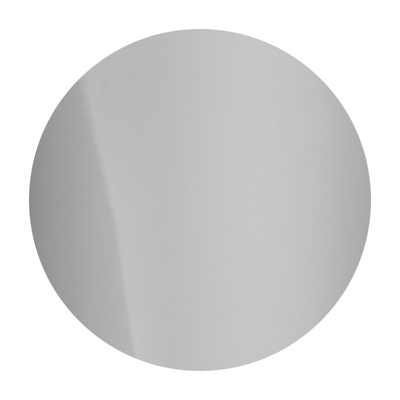 Chrome
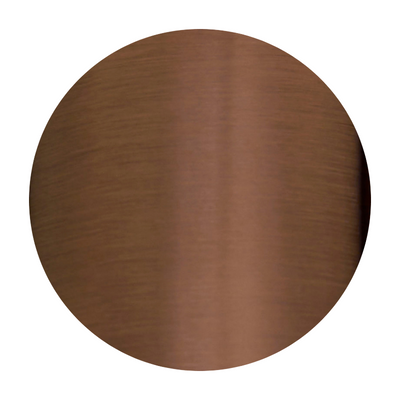 Copper
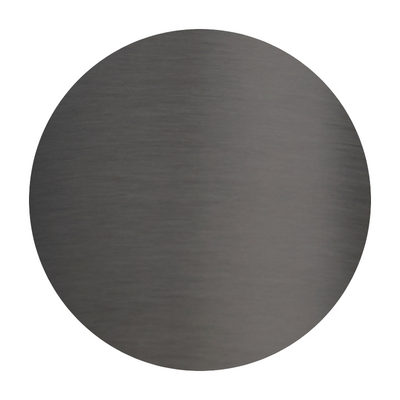 Gun Metal Grey
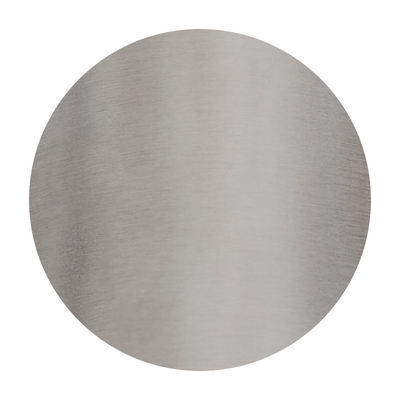 Stainless Steel

Complete Bathtub Buying Guide: Types, Sizes & Selection for Australian Homes
There's nothing quite like a warm soak at the end of a busy day, but buying a bathtub without understanding types and dimensions first is how renovation budgets blow out. You fall in love with a 1800mm freestanding stone bath, get it home, and discover it won't fit through the door, exceeds your floor's weight limit, or leaves no room for the toilet.
According to our experience, approximately 35% of bathtub returns stem from size issues, whilst another 20% involve type mismatches - customers choosing baths unsuited to their bathroom layout or household needs. These aren't manufacturing defects, they're planning oversights.
This guide covers bathtub types, standard sizes, measurement requirements, and selection criteria to help you choose a bath that fits your space, budget, and lifestyle.
Quick Navigation:
- Standard Bathtub Sizes
- Bathtub Types and Their Dimensions
- Bathtub Materials
- How to Measure Your Bathroom
- Common Buying Mistakes
- Choosing the Right Bath
- Quick Reference Table
- FAQs
Standard Bathtub Sizes in Australia
Australian bathtubs follow predictable size ranges. Industry data shows standard rectangular built-in baths (1500-1700mm) account for 58% of installations, whilst freestanding baths (1500-1800mm) represent 28% and continue growing.
- Standard bathtub length: 1500-1700mm (compact: 1200-1400mm, large: 1700-1900mm)
- Standard bathtub width: 750-800mm (compact: 700-750mm, wide: 800-900mm)
- Standard bathtub depth: 400-450mm interior (deep soaking: 450-550mm)
- Overall height: 500-650mm floor to rim (varies by type)
- Water capacity: 180-240 litres standard (compact: 120-160L, large: 280-400L+)
Installation requires additional clearances: 100mm minimum between bath edge and walls, with 600mm+ clear space for entry/exit. For complete spatial planning, see our guide on designing your perfect bathroom.

Bathtub Types and Their Dimensions
Built-In Baths (Drop-In/Alcove)
The classic family-friendly choice. Built-in baths installed into three-wall alcoves or tiled hobs, offering excellent stability for children and elderly users. Can be combined with overhead shower to save space. Account for 58% of Australian installations.
- Compact built-in: 1200-1400mm x 700-750mm x 380-420mm depth | 120-160L capacity | Suits apartments, small bathrooms
- Standard built-in: 1500-1700mm x 750-800mm x 400-450mm depth | 180-240L capacity | Most common Australian size, fits standard layouts
- Large built-in: 1700-1800mm x 800-850mm x 450-500mm depth | 250-320L capacity | Spacious family bathrooms
Built-in baths require alcove width matching bath length plus 10-20mm clearance each end. Surrounding ledge can be tiled for storage or design continuity.
Freestanding Baths
Designer's dream and modern favourite. Not attached to walls, giving complete freedom with placement - position centrally or near windows for luxury retreat feel. These act as sculptural focal points anchoring bathroom design. At Blue Leaf, freestanding baths grew from 18% of sales in 2020 to 28% in 2024.
- Compact freestanding: 1400-1500mm x 700-750mm x 400-450mm depth | 150-200L | Smaller bathrooms wanting freestanding aesthetic
- Standard freestanding: 1500-1700mm x 750-800mm x 450-500mm depth | 200-280L | Most popular size, balances luxury and practicality
- Large soaking: 1700-1900mm x 800-900mm x 500-550mm depth | 300-400L+ | Premium experience, requires minimum 3m x 2.5m bathroom
Available in acrylic, stone, and solid surface materials. Easy to pair with floor-mounted or wall-mounted tapware. Require 100mm clearance on all sides for cleaning. Total footprint: bath dimensions plus 200-300mm length and width. For detailed freestanding bath selection advice, see our freestanding bath guide.
Back-to-Wall Baths
Sleek alternative offering freestanding appearance with space-saving practicality. Flat back sits flush against the wall, simplifying installation and reducing dust collection. Ideal for medium to small bathrooms where every millimetre counts. Back to wall baths account for 8% of installations but growing in modern renovations.
- Standard back-to-wall: 1500-1700mm x 750-800mm x 450-500mm depth | 200-280L capacity
Saves 100-150mm footprint versus full freestanding (no rear clearance needed). Creates clean lines against tiled walls. Suitable for both modern and transitional bathroom designs.
Corner Baths
Practical solution for awkward layouts or limited space. Install diagonally into corners, freeing up floor space whilst offering generous soaking depth. Some feature built-in seats. Suit compact ensuites, apartments, and shared family bathrooms. Represent 6% of installations. If space is tight, corner baths are worth exploring for their ability to turn an awkward layout into a genuine feature.
- Compact corner: 1200mm x 1200mm x 400-450mm depth | 150-180L capacity
- Standard corner: 1400-1500mm x 1400-1500mm x 450-500mm depth | 200-260L capacity
- Large corner: 1500-1700mm x 1500-1700mm x 500-550mm depth | 280-360L capacity
Corner dimensions measure along each wall from the corner point. A 1400mm corner bath requires 1400mm clear wall length on both walls.
Spa Baths
Bring hydrotherapy into your home with air or water jets delivering relaxing massage with these spa baths. Help with muscle recovery, circulation, stress relief. Popular in ensuites and master bathrooms creating personal sanctuary. Can be installed as freestanding, built-in, or corner styles.
Available in the same size ranges as standard baths (1500-1800mm typical) but require electrical connection for jet systems. Enhance resale value with added luxury appeal. Note: Spa mechanisms add 15-30kg to bath weight.
Clawfoot Baths
Timeless character for heritage-style or period homes. Stand on four decorative feet with no wall contact. Create statement features in traditional bathrooms or add vintage appeal to modern designs. Clawfoot baths represent 3% of installations.
- Standard clawfoot: 1500-1700mm x 750-800mm x 600-750mm total height (including feet) | 200-280L capacity
Require clearance on all sides like freestanding baths. Available in traditional cast iron or modern acrylic with decorative feet. Different foot styles available for custom looks.
Pressed Metal Baths
Lightweight, durable option made from steel coated in enamel. These pressed metal baths are known for scratch-resistant coating, quick heat-up time, and affordability. Excellent choice for investment properties, secondary bathrooms, or budget renovations.
Available in standard built-in sizes (1500-1700mm typical). Lightweight construction (25-35 kg) makes installation easier and suits all floor types. Retains heat well for longer soaks despite thinner walls than stone or cast iron.

Bathtub Materials: What to Consider
Different materials affect appearance, weight, insulation, and cost. Choose based on bathroom design, floor capacity, and budget.
- Acrylic: Acrylic bathtubs are lightweight (20-40kg), affordable, easy to clean. Available in many shapes and finishes. Suits all floor types. Standard choice for built-in and freestanding baths. Moderate heat retention.
- Stone/Composite Stone: Stone baths are premium appearance with sculptural beauty. Retains heat extremely well (warmest option). Heavy (200-400 kg empty). Requires floor capacity verification. Built to last decades. Ideal for modern/minimalist spaces. Stone baths elevate bathroom luxury significantly.
- Pressed Metal (Steel Enamel): Durable, scratch-resistant, quick to install. Lighter than stone but heavier than acrylic (25-40kg). Slightly cooler to touch initially but heats quickly. Excellent value.
- Cast Iron: Very heavy (100-150kg) but incredibly long-lasting. Traditional choice for clawfoot styles in vintage homes. Superior heat retention. Requires strong floor support.
Always consider flooring strength and plumbing compatibility when choosing heavy materials. Standard timber floors support 150-200 kg per m². Stone bath (300kg) plus water (300kg) plus occupant (80kg) = 680kg total. A 1.5m² footprint = 453kg/m² - exceeding standard floor rating. Consult a structural engineer for stone or cast iron in timber-framed homes.
How to Measure Your Bathroom for a Bathtub
At Blue Leaf, we've developed this systematic approach from helping thousands avoid sizing errors:
Step 1: Measure floor space
- Measure bathroom length and width wall-to-wall
- Identify bath location
- Account for door swing (door must open without hitting bath)
- Note positions of shower, vanity, toilet
Step 2: Measure installation zone
- Built-in: Measure alcove width, depth, and height
- Freestanding: Measure available floor rectangle
- Subtract clearances: Built-in needs 10-20mm each end, freestanding needs 100-200mm all sides
Step 3: Check doorway access
- Measure bathroom door width and height
- Measure hallway width for turns
- Freestanding baths (especially stone) may not fit through standard 820mm doorways
- Check stairwell dimensions if bathroom upstairs
Step 4: Verify floor capacity
- Standard timber floors: 150-200 kg per m²
- Stone baths: May need reinforcement
- Acrylic baths: Suit all floors
Step 5: Locate plumbing
- Note waste outlet and water supply positions
- Verify tapware will reach bath position
Create floor plan sketches with measurements. Take when shopping to prevent buying incompatible sizes.

Common Bathtub Buying Mistakes
Based on processing returns and fielding queries, these are the most frequent errors:
Mistake 1: Not measuring doorway clearance
Customers order 1800mm freestanding stone baths, discovering it won't fit through the 820mm door. Stone baths can't be tilted easily due to weight.
Solution: Measure door width, height, diagonal clearance. For large baths (1700mm+) or stone, verify the access path from street to bathroom.
Mistake 2: Ignoring floor weight limits
Stone baths require $3,000-$8,000 floor reinforcement in timber-framed homes.
Solution: Check bath empty weight plus water capacity. Match to floor rating. Choose acrylic or pressed metal for timber floors.
Mistake 3: Forgetting freestanding clearances
Bath dimensions match floor space perfectly, but no gap for cleaning behind the bath.
Solution: Add 100-200mm to bath length and width when calculating required floor space.
Mistake 4: Choosing wrong type for layout
Buying a freestanding bath for a 1.8m x 2m bathroom where built-in would work better.
Solution: Match bath type to actual bathroom size. Freestanding needs a minimum 2.5m x 2.2m bathroom. Smaller spaces need built-in or back-to-wall.
Mistake 5: Not considering household needs
Buying a deep soaking bath (550mm) for families with young children creates safety concerns.
Solution: Standard depth (400-450mm) suits all ages. Save deep soaking for adult-only ensuites.
Expert Tip From Our In-House Plumber
"Before you even start looking at tubs, grab your tape measure and get four numbers written down. First, measure the external width of your bath space from wall to wall, then the internal width from the inside face of one wall to the other. Both ends, not just one side. After that, measure the depth of the bath area and finally the distance from the wall to where the inside of the tub will sit. Those four measurements are genuinely all you need to walk into a showroom with confidence and know exactly what will fit. The thing most people don't think about until it's too late is bowl projection and door clearance, and with bathtubs it's the same story with length. A freestanding tub can run anywhere from 1400mm to 1800mm long, and a tub that's too long leaves you with a door that won't fully open or a vanity you can't get to. Smaller bathrooms usually do better with an alcove or compact freestanding style, while bigger spaces can carry a drop-in or a larger freestanding that becomes the centrepiece of the room. Get the measurements first, then fall in love with a tub."
Choosing the Right Bathtub for Your Home
Match bath type and size to bathroom dimensions, household needs, and design vision.
- Small bathrooms (under 5m²) / Ensuites: Built-in baths (1200-1500mm) or compact corner baths maximise space. Avoid freestanding unless the room is 2.5m x 2.2m minimum. Consider shower bath combinations.
- Standard bathrooms (5-8m²): Standard baths (1500-1700mm) in built-in, back-to-wall, or freestanding styles all work. Choose based on design preference and clearance availability.
- Large bathrooms (over 8m²): Any type and size works. Freestanding baths (1700-1900mm) create a luxury focal point. Deep soaking baths provide a premium experience.
- Family bathrooms: Built-in baths (1500-1700mm) with shower over maximise functionality. Standard depth (400-450mm) suits all ages. Avoid very deep baths if young children bathe unsupervised.
- Heritage homes: Clawfoot baths add character. Match to period features with framed mirrors and classic accessories.
- Modern/minimalist: Freestanding stone or back-to-wall baths with clean lines. Pair with natural finishes and soft lighting for a spa-style feel.
- Apartments/Units: Compact baths (1200-1500mm) required. Check floor weight limits - acrylic safest choice. Measure doorway access carefully (standard 820mm doors).
For complete bathroom planning including fixture coordination and waterproofing, see our bathroom renovation guide and waterproofing guide.
Bathtub Quick Reference Table
| Bath Type | Typical Length | Width | Depth | Capacity | Best For |
|---|---|---|---|---|---|
| Compact Built-In | 1200-1400mm | 700-750mm | 380-420mm | 120-160L | Small bathrooms, apartments |
| Standard Built-In | 1500-1700mm | 750-800mm | 400-450mm | 180-240L | Family bathrooms, most homes |
| Compact Freestanding | 1400-1500mm | 700-750mm | 400-450mm | 150-200L | Smaller bathrooms |
| Standard Freestanding | 1500-1700mm | 750-800mm | 450-500mm | 200-280L | Modern bathrooms, design focus |
| Large Freestanding | 1700-1900mm | 800-900mm | 500-550mm | 300-400L+ | Luxury bathrooms, ensuites |
| Back-to-Wall | 1500-1700mm | 750-800mm | 450-500mm | 200-280L | Space-efficient modern design |
| Corner | 1200-1500mm | (diagonal) | 450-500mm | 150-260L | Awkward layouts, compact spaces |
| Clawfoot | 1500-1700mm | 750-800mm | 600-750mm height | 200-280L | Heritage homes, character |
| Pressed Metal | 1500-1700mm | 750-800mm | 400-450mm | 180-240L | Budget builds, rentals |
FAQs About Bathtub Types and Sizes
What is the standard bathtub size in Australia?
Standard Australian bathtubs measure 1500-1700mm length x 750-800mm width x 400-450mm depth, with 180-240L water capacity. This size fits most bathroom layouts and suits adults comfortably. Built-in baths in this range account for 58% of installations.
What type of bathtub is best for small bathrooms?
Built-in baths (1200-1500mm) or corner baths work best in small bathrooms under 5m². These maximise space efficiency whilst maintaining adequate soaking depth. Avoid freestanding baths in rooms under 2.5m x 2.2m as clearance requirements consume limited floor space.
How much space do I need around a freestanding bath?
Minimum 100mm clearance required all sides for cleaning access. Recommended 150-200mm for comfortable maintenance. Additionally allow 600mm+ clear space on the entry side. Total floor space needed: bath dimensions plus 200-300mm length and 300-400mm width.
What is the difference between freestanding and built-in baths?
Freestanding baths don't attach to walls, acting as design focal points requiring clearance on all sides. Built-in baths install into alcoves or hobs with three enclosed sides, saving space and allowing shower installation overhead. Freestanding suits larger bathrooms (8m²+), built-in suits most standard Australian bathrooms.
Will my floor support a stone bathtub?
Standard timber floors support 150-200 kg per m². Stone baths (200-400 kg empty) plus water (200-400kg) often exceed this. Calculate: total weight divided by bath footprint in m². If the result exceeds 150 kg/m², consult a structural engineer. Acrylic baths (20-40kg) suit all floors without reinforcement.
How do I choose between acrylic and stone bathtubs?
Acrylic: Lightweight, affordable ($800-$2,500), easy to install, suits all floors, moderate heat retention, wide style range. Stone: Premium appearance ($3,000-$8,000+), superior heat retention, very heavy (needs floor check), luxury aesthetic, longer lifespan. Choose acrylic for budget/practicality, stone for luxury/design statement.
What bathtub is best for families with children?
Built-in baths (1500-1700mm) with standard depth (400-450mm) suit families best. Can combine with overhead shower. Stable design safe for children. Avoid deep soaking baths (500mm+) which create difficult entry/exit for kids. Pressed metal or acrylic materials offer durability at reasonable cost.
Do corner baths save bathroom space?
Yes. Corner baths install diagonally into corners, freeing usable floor space versus equivalent rectangular baths. A 1400mm x 1400mm corner bath uses less floor area than 1500mm x 750mm rectangular bath whilst offering similar or larger water capacity. Ideal for maximising space in compact layouts.
How much water does a typical bathtub hold?
Standard bathtubs hold 180-240 litres when filled to overflow. Comfortable filling (70-80%) uses 140-190 litres. Compact baths: 120-160L. Large soaking baths: 280-400L+. At $3/kL water rates, a 200L bath costs $0.60-$1.00 per fill including sewerage charges.
Can I install a bathtub myself?
Not recommended unless experienced with plumbing and waterproofing. Bath installation requires waste connection, overflow fitting, tapware installation, and waterproofing compliance. Professional installation costs $500-$1,500 depending on complexity. DIY errors often cost more to fix than professional installation. Always use licensed plumber.
Final Considerations
Choosing the right bathtub balances aesthetic vision with practical constraints. At Blue Leaf, we've seen bathtub mistakes cost $200-$500 in return freight, $1,000-$3,000 in installation corrections, and $3,000-$8,000 in structural work. These costs are preventable with proper planning.
Consider your bathroom size, household needs, floor capacity, and budget. Measure carefully including doorway access. Match bath type to layout - freestanding for spacious bathrooms, built-in for standard layouts, corner for compact spaces. Choose materials based on floor capacity and aesthetic goals.
When in doubt, consult a licensed plumber or bathroom designer before purchasing. Professional consultation ($150-$300) prevents expensive mistakes.
Browse the complete range of bathtubs at Blue Leaf, with detailed specifications for every model. Filter by type, size, and material to find baths matching your bathroom and budget. Need help? Contact our team - we're experienced with Australian bathroom layouts and can guide you to the right choice.