

 Accessories
 Basins
 Baths
Baths
 Mirrors
 Showers
 Taps
Taps
 Toilets
 Wastes
 Boiling / Chilled / Sparkling Taps
 Sinks
Sinks
 Freestanding Vanities
 Wall Hung Vanities
 Shaving Cabinets
 Cabinet Handles
 Black
Black
 Brushed Brass
 Brushed Gold
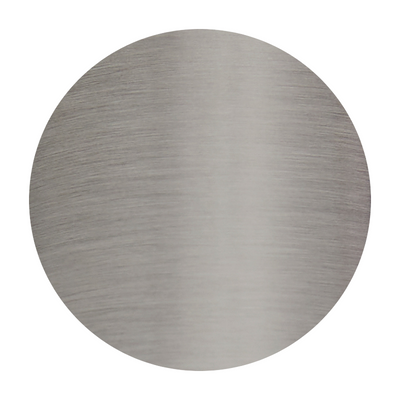 Brushed Nickel
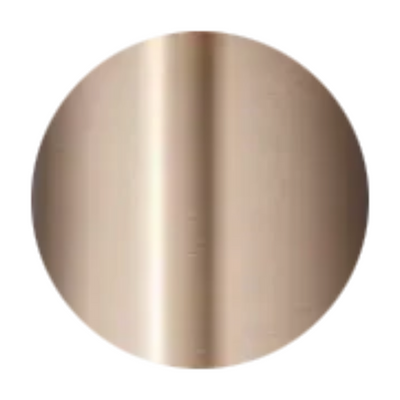 Champagne
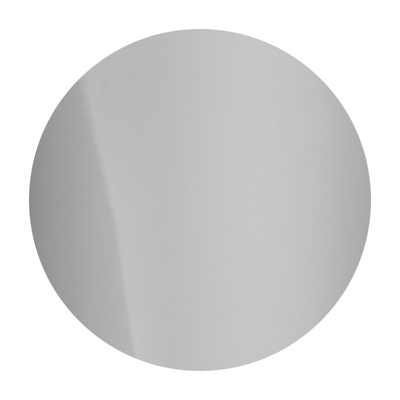 Chrome
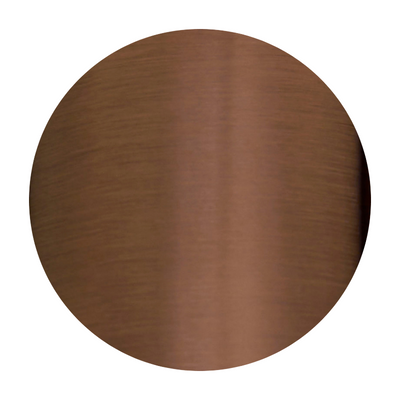 Copper
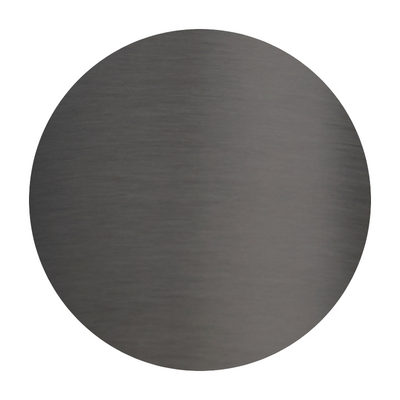 Gun Metal Grey
 Stainless Steel

How to Change a Shower Head: Step-by-Step Guide for Australian Homes
Changing your shower head is one of the simplest DIY plumbing jobs you can tackle at home. No special skills required. Just basic tools and about 15 minutes of your time.
Why bother replacing it? Low water pressure. Persistent leaks. Mineral buildup blocking the spray. Or you just want to save water and cut your bills. Older shower heads use 15-25 litres per minute, while modern WELS-rated models use just 6-9 litres per minute. A new 3-star WELS-rated shower head can save a family of four around 70,000 litres of water and $210 per year compared to older models.
At Blue Leaf, we help Australian homeowners upgrade their bathrooms with quality fixtures and practical advice. This guide covers everything you need to know about how to replace a shower head, from gathering your tools to troubleshooting leaks.
In this Article:
- Tools You'll Need
- Step-by-Step: How to Change a Shower Head
- Types of Shower Heads You Can Install
- Troubleshooting Common Issues
- When to Call a Plumber
- Frequently Asked Questions
- Conclusion
Tools You'll Need
Before you start, grab these items:
- Adjustable wrench or shifting spanner
- Thread seal tape (Teflon tape or PTFE tape)
- Soft cloth or old towel
- Wire brush or old toothbrush
- Bucket or towel (for drips)
- Your new shower head

Most households already have these tools. If not, they're cheap at any hardware store. According to the Plumbing Code of Australia, all new shower heads must have a maximum flow rate of 9 litres per minute, equivalent to a 3-star WELS rating.
Step-by-Step: How to Change a Shower Head
Step 1: Turn Off the Shower Taps
Make sure the shower taps are fully turned off. You don't need to shut off your home's main water supply. Just close the taps tightly. This prevents water spraying everywhere when you remove the old shower head.
Place a towel on the shower floor to catch any drips and prevent dropped parts from going down the drain.
Step 2: Remove the Old Shower Head
Grip the base of the shower head where it connects to the shower arm (the pipe coming from the wall). Turn it counterclockwise to unscrew it. Try by hand first.
If it's stuck or corroded, wrap a soft cloth around the connection to protect the finish. Use your adjustable wrench or spanner to grip it gently. Turn counterclockwise until it comes loose.
A Sydney plumber we spoke to mentioned, "Most people panic when the old head won't budge. Wrap it, grip it, turn it slowly. Don't force it or you'll damage the pipe threads."
For handheld shower heads with a hose attachment, unscrew the hose from the wall outlet first, then detach the shower head from the hose end.
Step 3: Clean the Shower Arm Threads
Once the old shower head is off, inspect the threaded pipe sticking out from the wall. You'll likely see old tape remnants, dirt, or mineral deposits.
Use a wire brush or old toothbrush to clean the threads thoroughly. Wipe everything down with a damp cloth and dry it completely. Clean threads create a better seal and prevent leaks.
Step 4: Apply Thread Seal Tape
Wrap thread seal tape (Teflon tape) around the shower arm threads. Start at the base of the threads and wrap clockwise, moving toward the tip. Wrap it 2-3 times, overlapping each layer slightly.
Why clockwise? When you screw on the new shower head (also clockwise), the tape tightens rather than unravels. Wrapping counterclockwise causes the tape to bunch up or come loose.
Press the tape firmly into the threads with your fingers to create a smooth, tight seal. This prevents water leaking from the connection.
Step 5: Install the New Shower Head
Screw the new shower head onto the shower arm by turning it clockwise. Start by hand until it's snug and won't turn easily anymore.
If needed, give it one final gentle turn with your wrench. Wrap a cloth around the connection first to protect the finish. Don't overtighten. Too much force can crack the shower head or damage the threads.
For shower head hose attachments, connect the hose to the wall outlet first (clockwise), then attach the handheld shower head to the other end of the hose.
Step 6: Test for Leaks
Turn the water on slowly and check the connection between the shower head and the shower arm. Watch for drips or water spraying from the base.
If you spot a leak, turn off the water. Tighten the shower head slightly more by hand or with your wrench (gently). Still leaking? Remove the shower head, add another layer of thread seal tape, and reinstall.
A Brisbane homeowner we know replaced their shower head for the first time last month. "I was terrified I'd flood the bathroom. Turned out to be dead simple. Had one small leak, tightened it a quarter turn, sorted."
Step 7: Adjust and Enjoy
Once everything is leak-free, adjust your new shower head to your preferred angle. Test the different spray settings if it has them. Check the water pressure and flow.
Done. You've successfully replaced your shower head without calling a plumber.

Types of Shower Heads You Can Install
1. Fixed shower heads
Mount directly to the wall. Simple to install, just screw on. Popular for standard bathrooms.
2. Handheld shower heads
Connect via a flexible hose. Great for rinsing kids, pets, or cleaning the shower itself.
3. Rainfall shower heads
Large overhead spray that mimics rainfall. Often require ceiling mounting or extended arms.
4. Combo shower heads
Fixed overhead shower plus handheld on a hose. Requires a diverter valve to switch between both.
5. Water-saving shower heads
WELS 3-star or 4-star rated. Use 9 litres per minute or less. Most shower accessories now come with WELS ratings clearly marked.
Most Australian shower heads use standard half-inch BSP threads, so compatibility isn't usually an issue.

Troubleshooting Common Issues
1. Low water pressure after installing new shower head
Check if the new shower head has a flow restrictor installed. Many water-saving models include them.
2. Water leaking from the connection
Remove the shower head and check the thread seal tape. Add another layer and tighten slightly.
3. Shower head sits at wrong angle
Try using a swivel adapter between the shower arm and head.
4. Old shower head won't come off
Spray the connection with WD-40 or vinegar. Let it sit for 10-15 minutes to loosen corrosion.
If you're planning a bigger bathroom renovation, replacing the shower head is a good starting point.
When to Call a Plumber
- The shower arm pipe is damaged or cracked
- You're installing a ceiling-mounted rainfall shower
- Water leaks persist despite proper installation
- You're not confident working with plumbing connections
Frequently Asked Questions
How long does it take to change a shower head?
15–20 minutes for most people doing it the first time.
Do I need to turn off the main water supply?
No. Just turn off the shower taps completely.
Can I replace a shower head without tools?
You can try by hand, but most old shower heads need a wrench.
What if my new shower head doesn't fit?
Most Australian shower heads use standard half-inch BSP threads.
How often should I replace my shower head?
Replace it when you notice reduced pressure, leaks, or heavy mineral buildup.
Will a new shower head increase water pressure?
It can improve the feel of water pressure but won't increase your home's actual plumbing pressure.
Can I install a handheld shower head myself?
Yes. The process is the same as a fixed shower head.
Do I need thread seal tape?
Strongly recommended. It creates a watertight seal and prevents leaks.
Conclusion
Learning how to change a shower head saves you money on plumber call-outs and lets you upgrade your bathroom whenever you want. The whole job takes less than 20 minutes with basic tools.
Looking to upgrade? Browse our range of showers including water-saving WELS-rated options, rainfall designs, and handheld models.
For complete bathroom updates, check our bathroom taps and mixers to coordinate your new fixtures.
References
- Water Efficiency Labelling and Standards (WELS) Scheme : Australian Government water rating system for showers and taps
- Plumbing Code of Australia : Maximum flow rates and plumbing fixture standards
- AS/NZS 3500.1:2021 Plumbing and drainage : National plumbing standards (Standards Australia)