

 1901 Sinks
 Abey
Abey
 ADP
ADP
 ART Australia
 Blanco
 Caroma
 Decina
 Fienza
 Forme
Forme
 Geberit
 Linkware
 Linsol
 Lockwood
 Martec
 Meir
Meir
 Mercator
 Nero Tapware
 Oliveri
 Parisi
 Phoenix
 Radiant Heating
 Remer
Remer
 Timberline
 Turner Hastings
 Zip Water
 Accessories
 Basins
 Baths
Baths
 Mirrors
 Showers
 Taps
Taps
 Toilets
 Wastes
 Assisted Living
 Heating & Ventilation
 Boiling / Chilled / Sparkling Taps
 Sinks
Sinks
 Sink Accessories
 Laundry Tubs
 Laundry Taps
 Ceiling Fans
 Lighting
 Cooktops
 Induction Cooktops
 Gas Cooktops
 Electric Cooktops
 Dryers
 Fridges
 Microwaves
 Ovens
Ovens
 Rangehoods
 Washing Machines
 Black
Black
 Brushed Brass
 Brushed Gold
 Brushed Nickel
 Champagne
 Chrome
 Copper
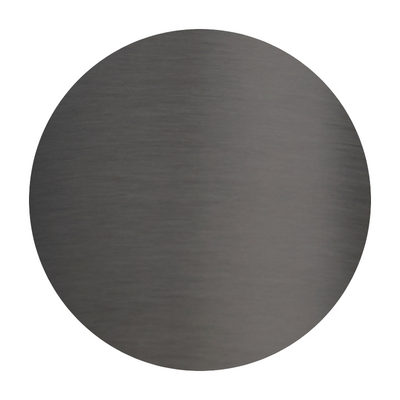 Gun Metal Grey
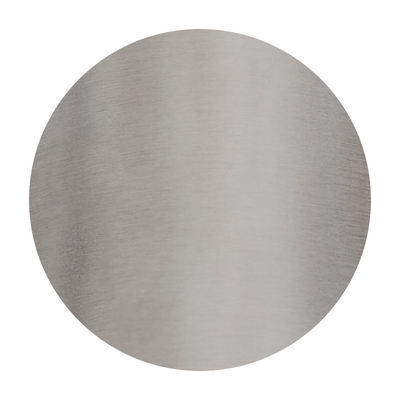 Stainless Steel

Recessed vs Surface-Mounted Shaving Cabinets: What to Check Before You Buy
A shaving cabinet earns its place when the toothbrush charger, skincare bottles and daily essentials finally disappear from the vanity top. Choosing one should feel straightforward. Then you discover that the same mirrored cabinet can look completely different depending on how it is installed.
A recessed cabinet sits partly or largely inside the wall. A surface-mounted cabinet hangs in front of it. The better choice depends on what is behind your tiles, how much room you have above the basin, and how far your renovation has progressed.
This guide from Blue Leaf Bathware & Tiles helps you compare both options before ordering, with practical checks for Australian bathrooms and Sydney apartments.
Quick comparison: recessed, surface-mounted and semi-recessed
| Consideration | Recessed | Surface-mounted | Semi-recessed |
|---|---|---|---|
| Position | Body largely inside the wall | Body in front of the wall | Body partly inside the wall |
| Projection | Reduced; door or frame may remain proud | Full cabinet depth projects | Between the other options |
| Wall opening | Required | Usually unnecessary; secure fixings still needed | Required |
| Best starting point | Renovation with suitable wall access | Finished bathroom or simpler replacement | Suitable wall with limited recess depth |
| Main trade-off | More wall planning and finishing | More projection over the basin | Model suitability and remaining projection |
What each mounting option actually means
Recessed: a quieter profile above the vanity
The cabinet body occupies a prepared wall opening, bringing the mirror closer to the finished wall face. That can make a narrow vanity area feel less crowded when you lean forward to wash your face.
Recessed does not automatically mean perfectly flush. Doors, hinges, frames and lighting details may still project. Look at the installation drawing rather than assuming the product photograph shows the final wall relationship.
Surface-mounted: useful storage without a cabinet-sized opening
Often described as wall-mounted or wall-hung, this installation keeps the cabinet body outside the wall. It is worth considering when your tiles are staying and the project is mainly a mirror upgrade.
The visible sides become part of the design. Choose a finish that works with the vanity and check that the extra depth feels comfortable above the basin.
Semi-recessed: some of the body goes into the wall
Semi-recessing reduces projection without placing the entire body inside the wall. It still needs a suitable opening and manufacturer approval. Timberline, for example, explains that its semi-recessed orders receive structural adjustments; this is something to specify before purchase.
If you are still deciding whether you need mirror storage at all, our bathroom mirror buying guide covers the broader options.
Which option fits your renovation?
Keeping the vanity and tiles? Start by checking a surface-mounted cabinet's projection and fixings. It could give you the storage you need with a smaller scope of work.
Stripping the bathroom back? Put a recessed option on the shortlist early, while the builder can assess the wall and coordinate the opening.
Love the recessed look but have limited cavity depth? Ask about an approved semi-recessed model. Compare the remaining projection with a slim surface-mounted alternative before adding wall work to the budget.
These are starting points. The wall assessment and the selected cabinet's instructions decide what is achievable.
Can your bathroom wall take a recessed shaving cabinet?
Start with the wall, before falling in love with a cabinet. A tiled surface tells you very little about the usable space behind it.
Ask your builder to assess the wall construction, available cavity, framing and fixing support. Pipes and cables can occupy the exact space you hoped to use. Stud positions may also prevent a wider cabinet from fitting without additional work.
A masonry wall needs a different assessment from a framed partition. Cutting a recess into brick or concrete is not equivalent to opening plasterboard. A suitably designed wall build-out may be an alternative, but it also takes space from the room.
A specific check for Sydney apartments
If the bathroom is in a strata property, check the scheme's by-laws and discuss the proposed scope with the strata manager before work starts. NSW Government guidance distinguishes cosmetic changes from renovations involving internal walls, wiring, structure or waterproofing. The approval pathway depends on the actual work.
Also ask the builder whether the wall has fire or acoustic requirements. A cabinet should not be treated as permission to remove layers or framing. Surface mounting may simplify the scope, but it does not automatically settle fixing, electrical or approval questions.
Five measurements to confirm before buying
1. Overall size and the required wall opening
Record the cabinet's overall width, height and depth, then obtain its recess or installation dimensions. Mirror doors can extend beyond the body. An overall measurement is not necessarily the opening your builder should prepare.
Use the current drawing for the exact model and configuration being supplied. Confirm the required clearances, fixing arrangement and finished tile position before setting out the opening.
2. Body depth and usable cavity depth
Overall depth can include the door or other projecting details. Carcass depth describes the cabinet body. Usable cavity depth is the space your installer can actually allocate inside the wall after accounting for its construction and services.
For a simplified example, a 120 mm body recessed by 80 mm leaves approximately 40 mm of body outside the wall, plus any projecting door or frame. Those figures illustrate the relationship; they are not a cut-out specification.
3. Width relative to your vanity
A wider cabinet can offer more shared storage, but check adjacent walls, windows and lights. If the vanity is changing too, settle its footprint first using our bathroom vanity dimensions guide. Then use our mirror sizing guide to judge the visual balance.
4. Position above the basin and tap
Mark the proposed bottom edge on the wall and stand at the basin. Can everyone see comfortably? Can you lean forward without meeting the cabinet? Check the actual tap height and the basin rim, particularly with an above-counter bowl.
There is no single mounting height that suits every person, cabinet and basin combination. A taped outline is more useful than copying a height from another bathroom.
5. Door swing and access
Allow for doors opening beside a return wall, pendant, towel rail or shower screen. Check hinge direction and whether a filler or clearance is required. Think about reaching the shelves with the door open, not just admiring the mirror closed.
For a tight layout, pair these checks with our small bathroom design ideas so the cabinet works with the whole room.
Compare installed costs, not just cabinet prices
Ask for quotes covering the same scope: cabinet mounting, framing, wall repairs, tile finishing and any electrical work. Include service relocation or a wall build-out where relevant.
Surface mounting will often involve fewer wall alterations, especially in an already tiled bathroom. Recessing may be easier to incorporate while a renovation wall is open. Neither scenario gives you a reliable fixed installation price without a site assessment.
Agree on the mounting method before tiling. Changing the plan after the wall is finished can mean paying twice for preparation and making good.
Make sure the quote explains how the cabinet edges will meet the finished wall. Ask who is responsible for patching, matching tiles and final adjustments. A cheaper mounting quote can become a less useful comparison if those tasks sit outside it. Where the cabinet is made to order, confirm configuration and delivery timing before the trades lock in their schedule.
Choose the storage and features you will actually use
Measure your tallest daily-use bottles and the depth of your toothbrush charger. Adjustable shelves help, but external cabinet depth does not tell you the clear space inside. Hinges, shelf supports and internal fittings all matter.
In a shared bathroom, separate shelves can be more useful than one large compartment. Check which shelves are adjustable, how doors close, and whether the interior is easy to wipe down. Keep ventilation in the bathroom plan; a cabinet does not solve condensation.
Two Blue Leaf options worth comparing
The ADP Organic Shaving Cabinet suits a softer mirror shape with concealed storage. ADP currently lists a 130 mm overall depth and 110 mm carcass depth, illustrating why those measurements should be checked separately. Confirm the supplied model's drawing before planning the recess.
For integrated lighting, the Remer Amber LED Shaving Cabinet offers front lighting and a demister. Its installation manual covers wall-hung and recessed mounting. Choose the size and mounting method together, then have the installer check the relevant specifications.
Plan electrical features early
An illuminated cabinet adds electrical planning to the purchase. Confirm the power connection, controls and permitted installation location for the exact model. Remer's Amber and Vera manual requires installation by a licensed electrician.
Have the electrician assess bathroom electrical requirements before the wall is closed. Our bathroom lighting guide can help you plan how mirror lighting works with the rest of the room.
Look beyond the glow in a product photo. Check where the light falls on your face and whether its colour temperature suits your other lights. Think about everyday controls too: a sensor hidden behind an open door or awkwardly placed near a side wall can be frustrating. Ask how the model is serviced once installed, particularly when recessing it.
Before-you-order checklist
- Choose the mounting method: surface, recessed or an approved semi-recessed configuration.
- Confirm the wall: construction, cavity, services, support and any building requirements.
- Get the drawing: exact model, body dimensions, opening and required clearances.
- Test the position: mirror visibility, basin comfort, tap clearance and door swing.
- Check inclusions: shelves, hinge direction, lighting and electrical connection.
- Agree on the full scope: installation, finishes, approvals where required and delivery timing.
Frequently asked questions
Can any shaving cabinet be recessed?
No. Check the manufacturer's instructions for the exact product. Some support recessed and surface mounting; others need a specific configuration or should remain surface-mounted. Do not modify a cabinet to make it fit without approval.
Is a recessed shaving cabinet better for a small bathroom?
It can reduce projection above the basin, but suitability depends on the wall. A slim surface-mounted cabinet may be the more practical purchase when recessing would require extensive alterations.
Can I recess a cabinet into an existing tiled wall?
Potentially, after an assessment. The work may involve opening the wall, modifying support and repairing tiles or finishes. Check matching tile availability and any waterproofing implications before committing.
Does a recessed cabinet have less storage?
The mounting method alone does not determine storage. If the same cabinet supports both methods, its internal capacity remains the same. Compare usable shelf dimensions rather than judging by how far it projects.
Is semi-recessed the same as fully recessed?
No. A semi-recessed cabinet leaves part of its body in front of the wall. A more fully recessed installation places more of the body inside; its door or frame may still project.
Should I choose the cabinet before tiling?
Yes, especially for recessed or illuminated models. Your trades need its dimensions, fixing details and electrical requirements to coordinate the opening, wall finish and power provision.
Find the cabinet that fits your bathroom
Have your vanity width and a photo of the wall ready, then explore Blue Leaf's shaving cabinet range. Shortlist the shape, storage and features you want, and confirm installation suitability with your trades before ordering. A little checking now makes the finished bathroom much easier to live with.