

 Accessories
 Basins
 Baths
Baths
 Mirrors
 Showers
 Taps
Taps
 Toilets
 Wastes
 Boiling / Chilled / Sparkling Taps
 Sinks
Sinks
 Freestanding Vanities
 Wall Hung Vanities
 Shaving Cabinets
 Cabinet Handles
 Black
Black
 Brushed Brass
 Brushed Gold
 Brushed Nickel
 Champagne
 Chrome
 Copper
 Gun Metal Grey
 Stainless Steel
Disability & Ambulant Toilets
-
 $3,300Original price $3,300 - Original price $3,300Original price $3,300
Current price
$2,585
(22% OFF)From $2,585
Current price
$2,585
Looking for back to wall toilet suite? Our Caroma Wall Faced toilets might be the right fit for you! The Caroma Care 800 Cleanflush range is ideal ...
View full details$3,300Original price $3,300 - Original price $3,300Original price $3,300Current price
$2,585
(22% OFF)From $2,585
Current price
$2,585
-
 $2,921Original price $2,921 - Original price $2,921Original price $2,921
Current price
$2,150
(26% OFF)From $2,150
Current price
$2,150
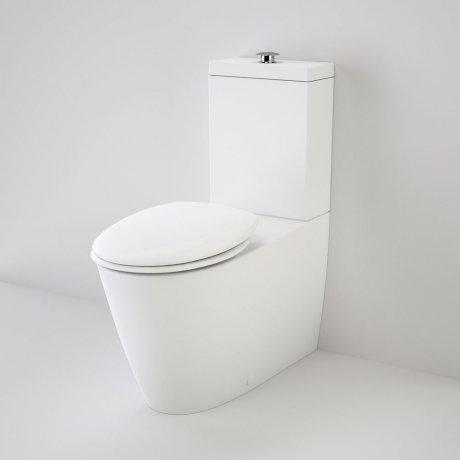
Looking for back to wall toilet suite? Our Caroma Wall Faced toilets might be the right fit for you! Caroma Care 800 Cleanflush is ideal for hospit...
View full details$2,921Original price $2,921 - Original price $2,921Original price $2,921Current price
$2,150
(26% OFF)From $2,150
Current price
$2,150
-
 $2,564Original price $2,564 - Original price $2,564Original price $2,564
Current price
$2,150
(16% OFF)From $2,150
Current price
$2,150
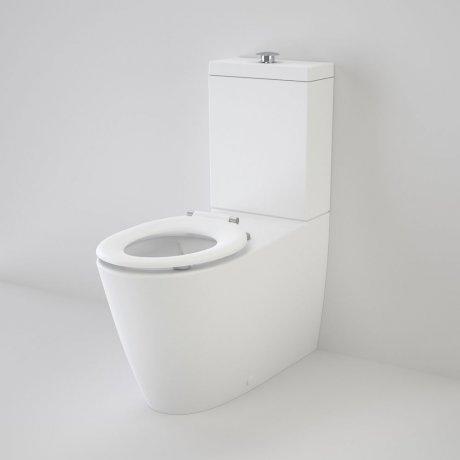
Looking for back to wall toilet suite? Our Caroma Wall Faced toilets might be the right fit for you! The Caroma Care 800 Cleanflush® range is ideal...
View full details$2,564Original price $2,564 - Original price $2,564Original price $2,564Current price
$2,150
(16% OFF)From $2,150
Current price
$2,150
-
 $699Original price $699 - Original price $699Original price $699
Current price
$594
(15% OFF)From $594
Current price
$594
The Linsol Florida Care Link Toilet with Backrest - Gloss White is part of Linsol’s premium product range. Premium Linsol bathroom, kitchen and ta...
View full details$699Original price $699 - Original price $699Original price $699Current price
$594
(15% OFF)From $594
Current price
$594
-
 $1,599Original price $1,599 - Original price $1,599Original price $1,599
Current price
$1,359
(15% OFF)From $1,359
Current price
$1,359
The Linsol Florida Care Link Toilet with Backrest - Gloss White is part of Linsol’s premium product range. Premium Linsol bathroom, kitchen and ta...
View full details$1,599Original price $1,599 - Original price $1,599Original price $1,599Current price
$1,359
(15% OFF)From $1,359
Current price
$1,359
-
 $1,799Original price $1,799 - Original price $1,799Original price $1,799
Current price
$1,529
(15% OFF)From $1,529
Current price
$1,529
The Linsol Opale Rimless Back to Wall Care Toilet Suite with Backrest - Gloss White is part of Linsol’s premium product range. Premium Linsol bath...
View full details$1,799Original price $1,799 - Original price $1,799Original price $1,799Current price
$1,529
(15% OFF)From $1,529
Current price
$1,529
-
 $2,485Original price $2,485 - Original price $2,485Original price $2,485
Current price
$2,212
(11% OFF)From $2,212
Current price
$2,212
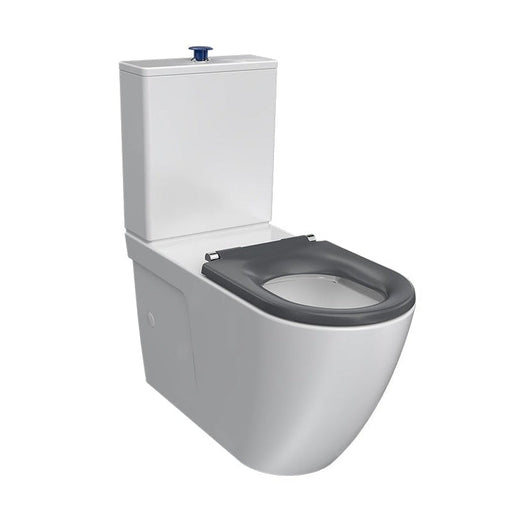
The PARISI brand is known worldwide for their innovation and quality products Creating beautiful bathroom pieces to complement the Australian life...
View full details$2,485Original price $2,485 - Original price $2,485Original price $2,485Current price
$2,212
(11% OFF)From $2,212
Current price
$2,212
-
 $3,000Original price $3,000 - Original price $3,000Original price $3,000
Current price
$2,670
(11% OFF)From $2,670
Current price
$2,670
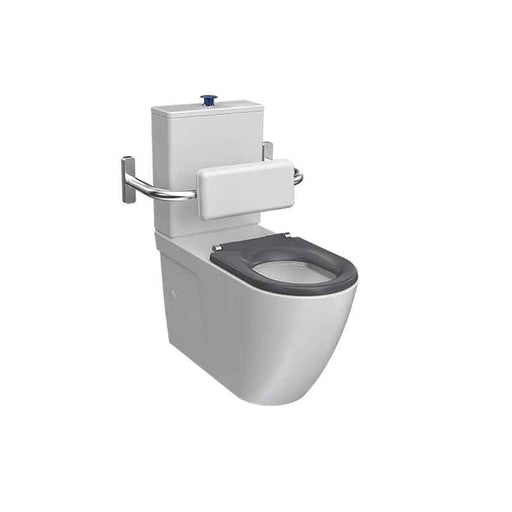
The PARISI brand is known worldwide for their innovation and quality products Creating beautiful bathroom pieces to complement the Australian life...
View full details$3,000Original price $3,000 - Original price $3,000Original price $3,000Current price
$2,670
(11% OFF)From $2,670
Current price
$2,670
-
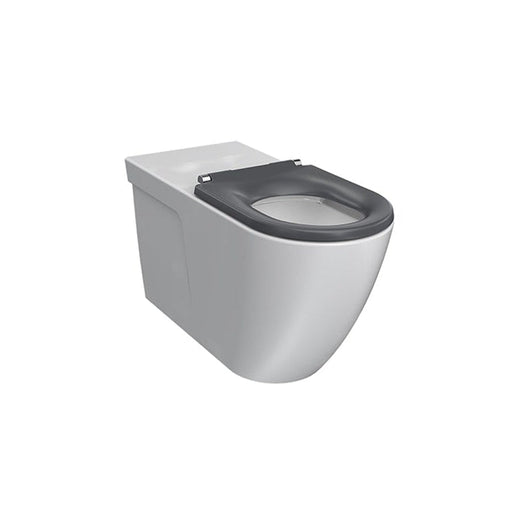 $2,110Original price $2,110 - Original price $2,110Original price $2,110
Current price
$1,878
(11% OFF)From $1,878
Current price
$1,878
The PARISI brand is known worldwide for their innovation and quality products Creating beautiful bathroom pieces to complement the Australian life...
View full details$2,110Original price $2,110 - Original price $2,110Original price $2,110Current price
$1,878
(11% OFF)From $1,878
Current price
$1,878
-
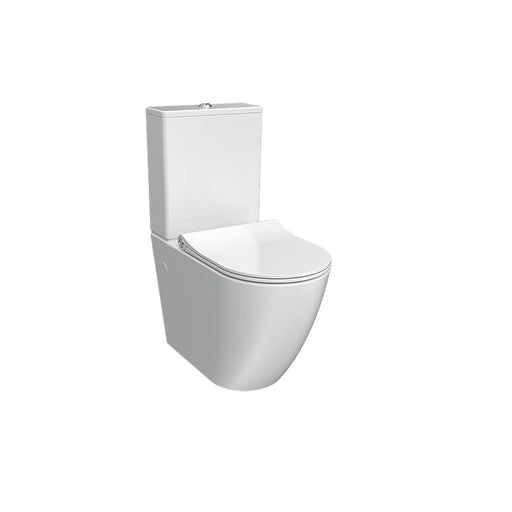 $1,810Original price $1,810 - Original price $1,810Original price $1,810
Current price
$1,611
(11% OFF)From $1,611
Current price
$1,611
The PARISI brand is known worldwide for their innovation and quality products Creating beautiful bathroom pieces to complement the Australian life...
View full details$1,810Original price $1,810 - Original price $1,810Original price $1,810Current price
$1,611
(11% OFF)From $1,611
Current price
$1,611
-
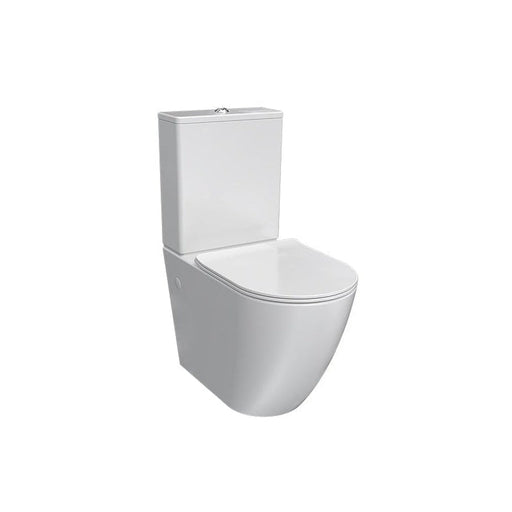 $1,570Original price $1,570 - Original price $1,570Original price $1,570
Current price
$1,397
(11% OFF)From $1,397
Current price
$1,397
The PARISI brand is known worldwide for their innovation and quality products Creating beautiful bathroom pieces to complement the Australian life...
View full details$1,570Original price $1,570 - Original price $1,570Original price $1,570Current price
$1,397
(11% OFF)From $1,397
Current price
$1,397


People get the terminology wrong constantly, and in accessible bathroom design that mistake has real consequences. Ambulant and accessible describe two different facilities built for different users. Using one when you mean the other can mean a failed commercial inspection, or a product that simply doesn't serve the person it was bought for.
Ambulant vs Accessible Toilet: What's the Difference?
These two terms get used interchangeably. They shouldn't.
An ambulant toilet is for people with mobility limitations who still walk, with or without an aid. Walking frames, crutches, arthritis, temporary injuries. The cubicle is larger than standard, has grab rails on both sides, and typically sits within the male and female toilet blocks in commercial buildings.
An accessible toilet, often called a disabled toilet or handicap toilet, is a different facility entirely. It's built for wheelchair users and people who need carer assistance. There's enough clear floor space for a full wheelchair turning circle and a side transfer to the pan. The grab rails, flush controls, backrest, pan position and basin height all need to work together, because the space only functions properly when every element is in the right place relative to the others.
Under Australian building regulations, most commercial buildings need to provide both. Designing only an accessible toilet and assuming it satisfies the ambulant requirement is one of the most common compliance failures building surveyors encounter. The two facilities serve different user needs and the layout of one actively works against the other.
What Makes a Toilet Genuinely Accessible
Australian Standard AS 1428.1 sets out the design requirements for accessible bathrooms in commercial and multi-residential buildings. For an accessible toilet, the key requirements come down to a few practical things.
Seat Height
The seat needs to sit between 460mm and 480mm from the floor. Standard toilets are around 400mm. That extra height is what makes it physically possible for most wheelchair users to transfer to the pan without help.
Backrest and Grab Rails
A backrest is mandatory. It prevents users from sliding backwards during transfer and provides support while seated. Grab rails are required on both sides, positioned at heights that allow a person to push up from a seated position and steady themselves during transfer.
Controls and Visibility
Flush controls need to be on the open side of the pan and reachable without leaning. There's also a visibility requirement that often gets missed: the toilet seat needs to contrast visually against the surrounding floor and wall surfaces. This helps users with impaired vision locate the seat. A white seat against white tiles doesn't meet the requirement, and this is worth accounting for when selecting the full bathroom palette.
Private Homes
Australian accessibility standards apply to commercial buildings, healthcare facilities, aged care and multi-residential properties. They don't legally apply to private houses. That said, the dimensions reflect real biomechanics, not arbitrary rules. Anyone fitting out a home for an NDIS participant or ageing parent should follow the same approach. An occupational therapist will typically specify these dimensions regardless of the legal requirement.
Who Buys Accessible Toilets and Why It Matters
The right product depends on the context. Three distinct groups approach this differently.
Builders and designers working on commercial projects need to confirm compliance before speccing products. Getting the toilet, grab rails and surrounding accessories confirmed together from the start avoids costly rework later.
Homeowners and families renovating for someone with a disability are often working from an occupational therapist's recommendation. A peer-reviewed Australian study found home modifications reduced weekly care hours by 42% on average, with bathroom modifications being the most commonly implemented change. An accessible toilet is almost always part of that scope.
NDIS participants can access funding for accessible toilet installation when an occupational therapist has assessed and recommended the modification and the product meets Australian accessibility standards. The NDIS funds standard-compliant fittings, and participants can contribute their own funds for a higher-specification finish. Having the OT's written recommendation before selecting a product is the right order of operations.
Features Worth Checking Before You Buy
| Feature | What to Look For |
|---|---|
| Seat height | 460-480mm from floor. Standard toilets are around 400mm. |
| Pan position | Centred to allow clear space on the transfer side |
| Backrest | Built-in, securely mounted, load-rated |
| Seat colour | Visually contrasts against floor and wall surfaces |
| Flush controls | Accessible from the open side of the pan |
| Grab rail compatibility | Suite should support side and rear rail installation |
| Door clearance | Enough width for a wheelchair to pass through comfortably |
Beyond the suite itself, a complete accessible bathroom also needs a basin at a height that allows knee clearance underneath, lever-operated or sensor tapware that's easy to operate with limited grip, and a mirror low enough to be usable from a seated position.
One thing residential builders miss consistently: wall reinforcement. Grab rails need to be fixed into structural elements, not just plasterboard. If there's any chance rails will be needed in future, reinforce the wall during the build. Retrofitting it after the tiles are on is expensive and sometimes not possible without demolition.
Buying Accessible Toilet Suites from Blue Leaf
Blue Leaf is a specialist bathroom retailer and supplier. We stock accessible toilet suites from Caroma and Parisi, both offering elevated seat heights, integrated backrests and features suited to residential, NDIS and commercial applications.
For the broader fit-out, our shower range includes accessible and roll-in options. The accessories collection covers grab rails, flush plates and compliant fittings. Occupational therapists are also increasingly recommending bidet seats for NDIS participants as assistive technology, worth factoring in during the specification stage.
Australia-wide delivery, with pre-purchase support available for builders, designers and families working to a specific brief.
Frequently Asked Questions
What is the difference between an ambulant toilet and an accessible toilet?
Ambulant toilets suit users who walk, including with aids. Accessible toilets are built for wheelchair users and carer-assisted transfer. They serve different needs, have different layouts, and under Australian building regulations commercial buildings typically need both.
Do accessibility standards apply to private homes?
Australian accessibility standards apply to commercial, healthcare and multi-residential buildings, not private houses. For home modifications, an occupational therapist will typically use the same dimensions as a practical guide regardless, because the requirements are based on real user needs.
Can an accessible toilet satisfy the ambulant requirement too?
No. The grab rail layout needed for wheelchair side-transfer conflicts with what an ambulant user needs on both sides. A fold-down rail doesn't bridge that gap. They're separate facilities.
What seat height do accessible toilets need?
Between 460mm and 480mm from the floor. Standard toilets sit around 400mm. The extra height is what makes independent wheelchair transfer achievable for most users.
Is a backrest required on an accessible toilet?
Yes. It needs to be securely mounted, positioned just above seat level, and rated to support the forces involved in a transfer. Its job is to prevent the user from sliding backwards and to provide support while seated.
Can NDIS fund an accessible toilet installation?
Yes, when an occupational therapist has assessed and recommended the modification and the product meets Australian accessibility standards. The NDIS funds standard-compliant fittings. Participants can contribute their own funds toward a higher-specification finish.
What other products should I consider alongside an accessible toilet suite?
Grab rails, a height-compliant basin with knee clearance underneath, lever tapware, compliant signage, and depending on the user's needs, a roll-in shower or bidet seat. An OT assessment is the right starting point for a full specification.
If you're working on an NDIS brief or a commercial compliance scope and want to confirm a product is right before ordering, contact us first.